Blood Cells Invade Aging Brain, Challenging Old Beliefs
The Brain's Immune System: A New Perspective
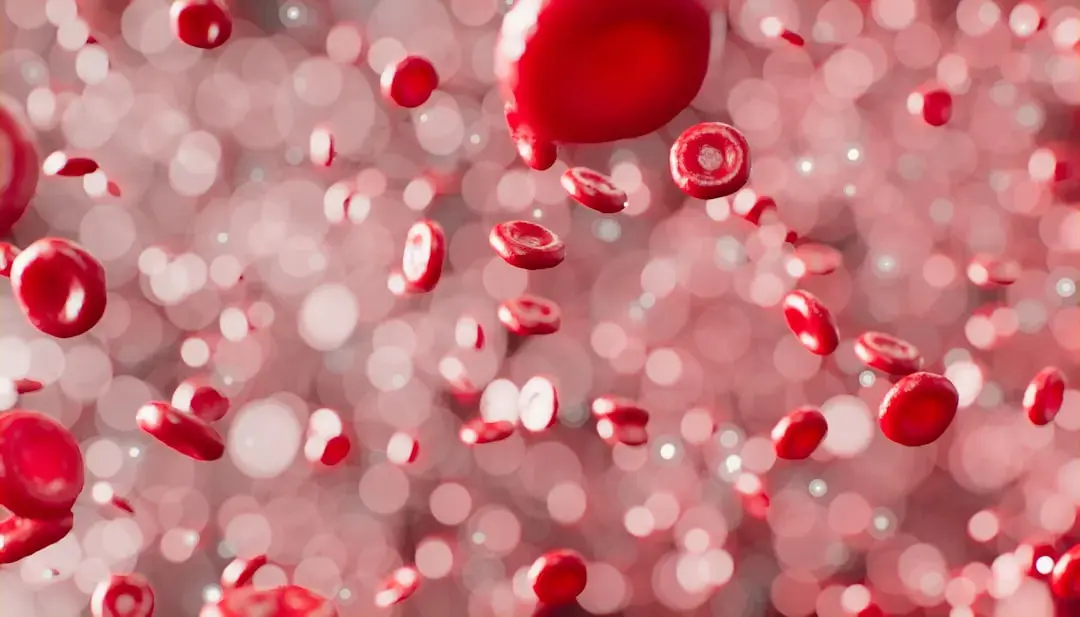
Scientists have uncovered a significant influx of immune cells from the bloodstream into the human brain as people age. This groundbreaking discovery overturns a long-standing scientific belief about the brain's immune system. It suggests our brains are not as isolated as once thought.
Health news
 Voice Recording Predicts Age, Reveals New Biological Clock
 Popular Zero-Calorie Sweeteners May Pass Effects to Future Generations
 Movement Patterns Linked to Longevity
 Hidden Proteins In Non-Coding RNA May Explain Cancer Spread
The research indicates that these incoming cells, originating from peripheral blood stem cells, transform into functional brain immune cells. This process actively replenishes the brain's immune environment.
How Do Peripheral Cells Affect Brain Health?
For decades, the scientific community believed the brain's immune system was a closed unit. It was thought to be populated exclusively by microglia, which are immune cells established before birth. This new study directly challenges that dogma. It reveals a dynamic interaction between the peripheral immune system and the brain. The findings indicate a massive, previously unrecognized migration occurring with age.
# What was the previous understanding of the brain's immune system?
The exact mechanisms driving this migration and its full implications are still under investigation. However, the transformation of these blood-derived immune cells into functional brain cells suggests a vital role. They could be contributing to the maintenance and repair of the aging brain. This opens new avenues for understanding age-related neurological conditions. It might also lead to novel therapeutic strategies.
The discovery highlights the brain's remarkable adaptability. It shows its capacity to recruit external resources to maintain its health. This challenges the notion of the brain as an entirely self-sufficient immune organ. Further research will explore the specific functions of these new cells.
# What is the main finding of this new research?
Scientists previously believed the brain's immune system was isolated. It was thought to contain only resident microglia, which developed before birth and were not replenished from outside sources.
# Why is this discovery significant?
The research found that immune cells from the bloodstream migrate into the human brain as people age. These cells then transform into functional brain immune cells, replenishing the brain's immune environment.
This discovery is significant because it overturns a long-held dogma about brain immunity. It suggests a more dynamic interaction between the peripheral immune system and the brain, potentially impacting our understanding of aging and neurological diseases.
Content written by Marcus Reid for wellness-bio-radar.com editorial team, AI-assisted.