Blood Test May Predict Colorectal Cancer Spread
Uncovering Hidden Clues in the Blood
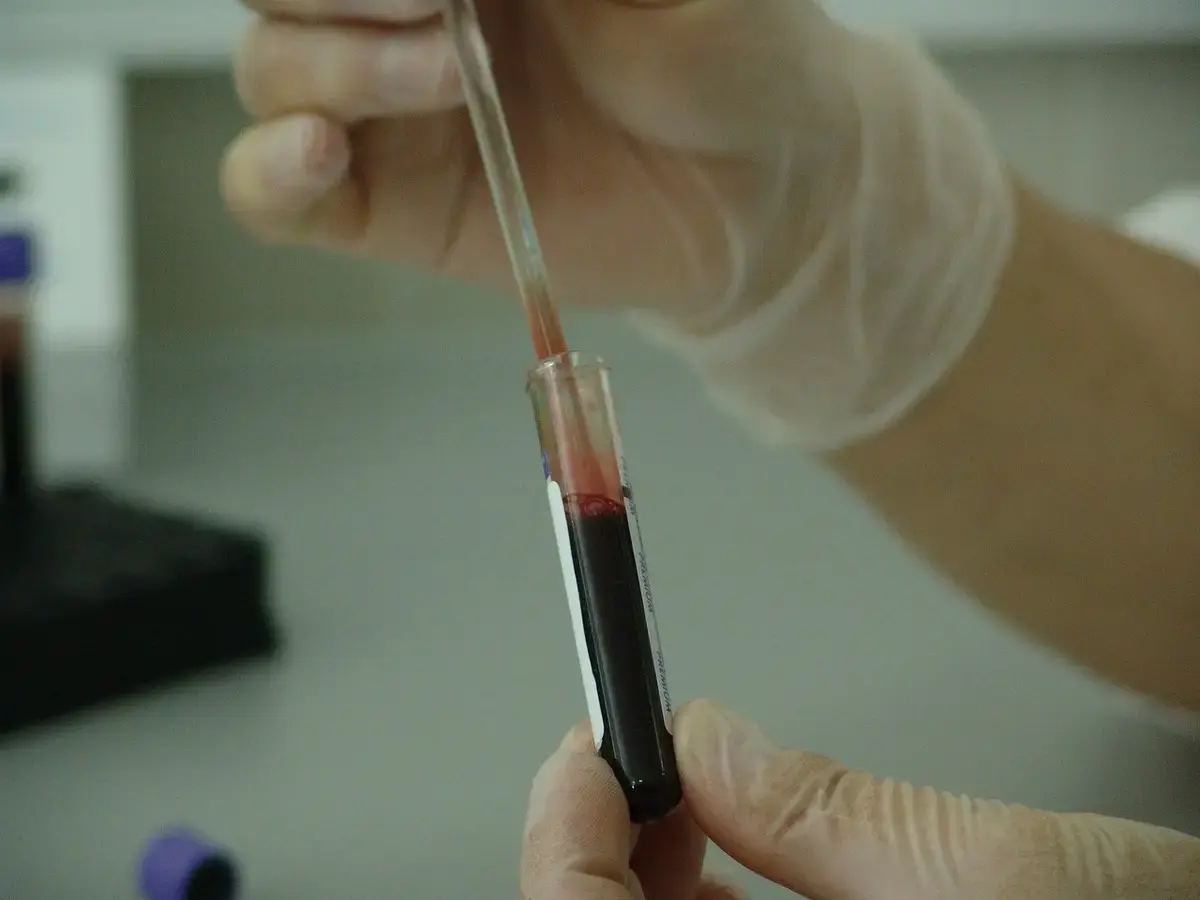
Researchers from South Korea's KAIST, Gangnam Severance Hospital, and Asan Medical Center collaborated on a study involving colorectal cancer patients. A single blood sample taken before surgery may improve predictions of cancer recurrence or metastasis. The team analyzed the blood samples to identify potential biomarkers.
Health news
 Sleep May Be the Heart's Nightly Repair Window, Study Suggests
 APOE Genotype Influences How Well Blood Tau Protein Predicts Cognitive Decline
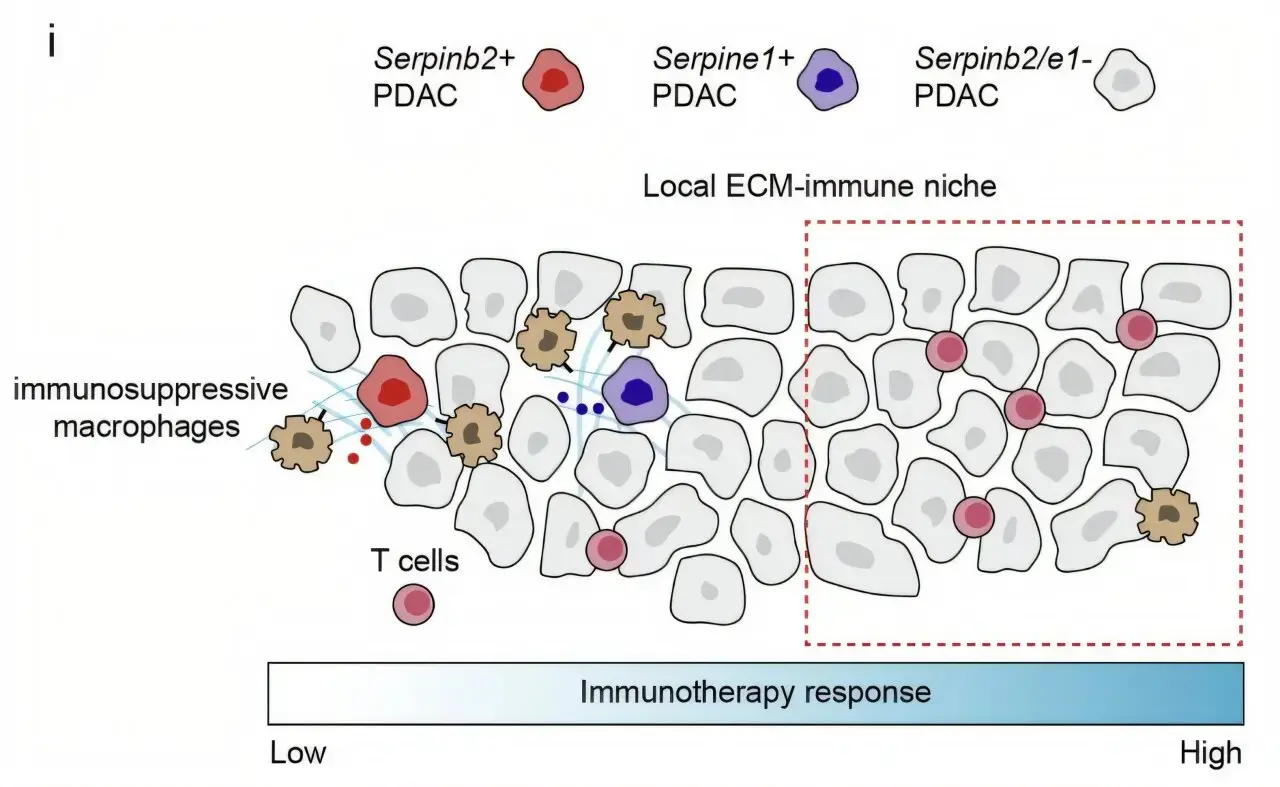 Pancreatic Cancer Hijacks Blood-Clotting System to Evade Immune Attack
 Survey Reveals Most Men Unaware Dairy May Increase Prostate Cancer Risk
The researchers discovered that as colorectal cancer advances, changes occur in the blood that can be indicative of the disease's progression. By examining a single preoperative blood sample, they were able to identify specific factors that correlated with a higher risk of recurrence or metastasis. This breakthrough could lead to more effective monitoring and treatment strategies.
Can a Simple Blood Test Replace Intensive Monitoring?
The study's findings suggest that a simple blood test could potentially replace more invasive and costly monitoring methods. This could significantly improve patient outcomes by enabling early detection and intervention. The researchers are optimistic that their discovery will lead to better treatment options.
The implications of this research are significant, as it could lead to improved patient outcomes and more targeted treatment approaches. Early detection and intervention are critical in managing colorectal cancer, and a simple blood test could become a valuable tool in the fight against this disease.
What is the significance of a single preoperative blood sample? A single blood sample can help predict the likelihood of colorectal cancer recurrence or metastasis, enabling early intervention. This could lead to better patient outcomes.
Frequently Asked Questions
How accurate is the blood test? The study showed a strong correlation between the blood sample analysis and the risk of cancer spread. Further research is needed to refine the test's accuracy.
What are the potential benefits of this discovery? The discovery could lead to more effective monitoring and treatment strategies, improving patient outcomes and saving lives. It may also reduce the need for more invasive and costly monitoring methods.
Content written by Marcus Reid for wellness-bio-radar.com editorial team, AI-assisted.