
Brain Connection Loss Patterns Uncovered in Schizophrenia Study
Unraveling the Brain's Wiring
Researchers at Rutgers University have made a groundbreaking discovery about the biological basis of schizophrenia using advanced brain imaging techniques. The study was led by Avram Holmes and published in Molecular Psychiatry on July 14, 2026.
Health news
 Sleep May Be the Heart's Nightly Repair Window, Study Suggests
 APOE Genotype Influences How Well Blood Tau Protein Predicts Cognitive Decline
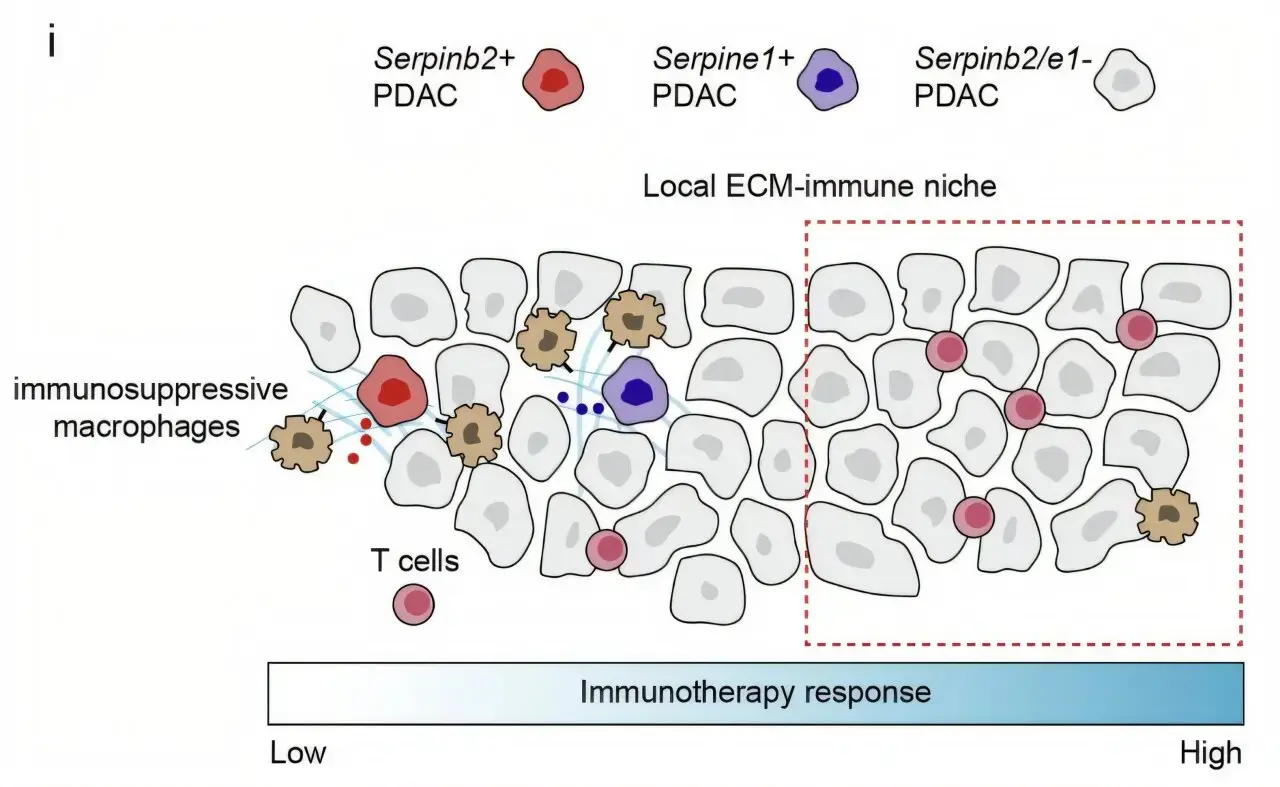 Pancreatic Cancer Hijacks Blood-Clotting System to Evade Immune Attack
 Survey Reveals Most Men Unaware Dairy May Increase Prostate Cancer Risk
The research team used specialized positron emission tomography (PET) imaging to directly measure synaptic connections in the human brain, shedding new light on the condition. By analyzing brain scans, the scientists were able to identify distinct patterns of brain connection loss associated with schizophrenia.
Can Brain Imaging Predict Schizophrenia?
The study found that individuals with schizophrenia had reduced synaptic density in certain areas of the brain, which was linked to the severity of their symptoms. The researchers used a novel PET imaging technique to quantify the number of synaptic connections in different brain regions. „Our findings provide strong evidence that schizophrenia is associated with abnormalities in brain circuitry,”said Avram Holmes.
The research team analyzed brain scans from individuals with schizophrenia and compared them to healthy controls. The results showed that the loss of synaptic connections was not uniform across the brain, but rather followed specific patterns. These patterns were associated with the severity of symptoms, such as hallucinations and cognitive impairment.
Frequently Asked Questions
The discovery of distinct patterns of brain connection loss raises the possibility that brain imaging could be used to diagnose or predict schizophrenia. By identifying specific biomarkers, clinicians may be able to identify individuals at risk of developing the condition.
The study's findings have significant implications for the diagnosis and treatment of schizophrenia. By understanding the underlying biology of the condition, researchers may be able to develop more effective treatments. As the field continues to evolve, it is likely that brain imaging will play an increasingly important role in the diagnosis and management of schizophrenia.
Content written by Dr. Nathan Cole for wellness-bio-radar.com editorial team, AI-assisted.