Brain Imaging Reveals Unique Neural Patterns in Transgender Women
Mapping Sensory and Motor Networks
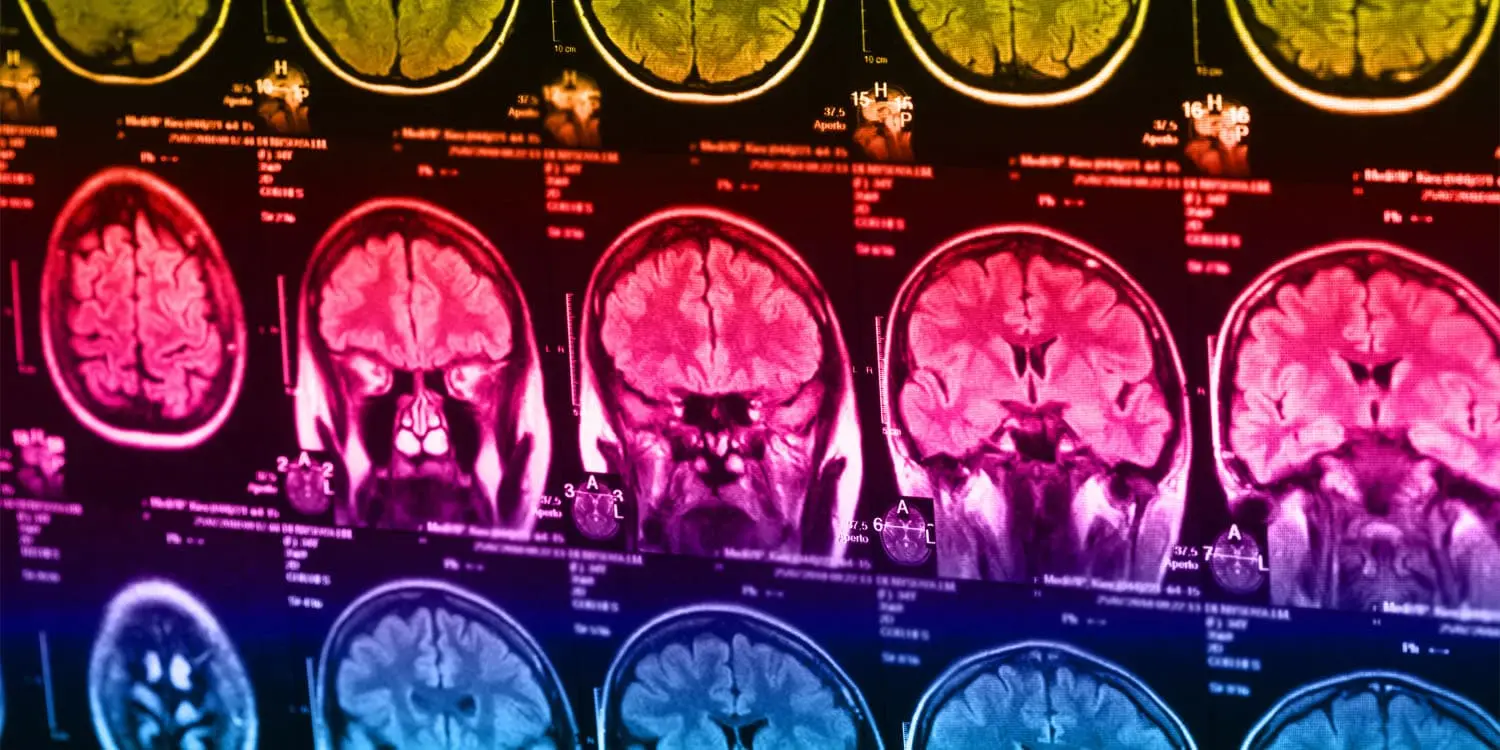
Researchers in China recently conducted a neuroimaging study exploring brain connectivity in transgender women. The small-scale investigation compared resting-state brain activity across three distinct groups. Findings indicate that transgender women exhibit unique neural patterns that differ from those observed in both cisgender men and cisgender women.
Health news
 Exercise and Mood: Italian Study Links Physical Activity to Lower Depression Symptoms
 Screen Time in Childhood Linked to Unexpected Cognitive Boost in Teens, 8‑Year Study Shows
 Workplace stress and anxiety are taking a heavy toll on employees, with one in three workers reporting that the strain is not easing
 Daily Food Habit Tied to Lower Risk of Anxiety and Depression
The study focused on networks responsible for processing physical movement and bodily sensations. Investigators utilized advanced scanning technology to map how different regions of the brain communicate while at rest. The results suggest that the neural architecture of transgender women does not align strictly with either cisgender group.
Data analysis revealed that the most significant differences occurred in brain regions linked to sensory input. These areas help individuals perceive their physical form and coordinate bodily actions. While cisgender men often displayed activity levels between the two other groups, transgender women showed a distinct profile. This suggests that gender identity may correlate with specific variations in neural connectivity.
Does Brain Structure Define Gender Identity?
The researchers emphasized that these findings are preliminary due to the limited number of participants. The study highlights the complexity of brain organization and its potential relationship with gender identity. By focusing on resting-state connectivity, the team sought to identify baseline differences without the influence of specific tasks.
These results contribute to a growing body of research investigating the biological underpinnings of gender. However, experts caution against drawing broad conclusions from a single study. The brain is highly plastic, and environmental factors can also influence neural pathways over time. Further large-scale research is necessary to confirm these patterns and understand their clinical implications.
Frequently Asked Questions
Understanding these neurological differences could eventually improve medical support for transgender individuals. By mapping how the brain processes self-perception, scientists hope to gain deeper insights into human identity. Future studies will likely focus on larger, more diverse cohorts to validate these initial observations.
What did the study reveal about brain connectivity? The study found that transgender women possess unique brain activity patterns, particularly in networks involved in movement and sensory processing. These patterns do not mirror those of cisgender men or women.
Is this study conclusive regarding gender identity? No, the study is small and preliminary. Researchers note that while the findings are significant, more extensive research is required to fully understand the relationship between brain connectivity and gender.