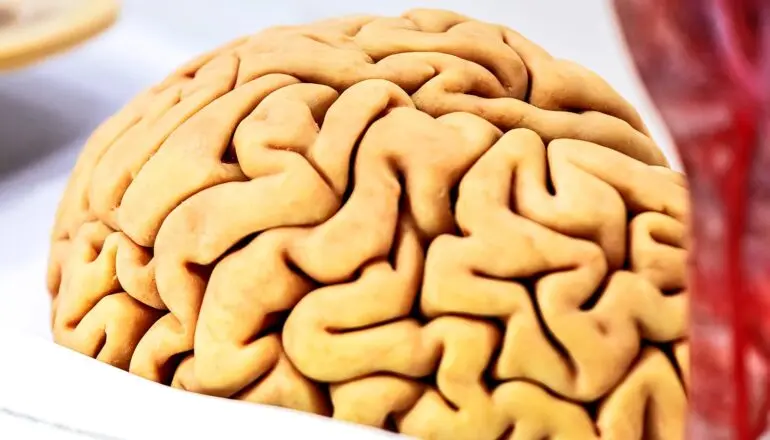
Brain injury creates a fertile ground for cancer growth
Repair Pathways Become Tumor Highways
Researchers have identified a surprising link between stroke recovery and tumor progression. The brain’s natural repair mechanisms, triggered after injury, inadvertently assist glioma cells. This discovery challenges previous assumptions about post-injury healing. The findings suggest that the body’s attempt to fix damage can actually fuel disease. Understanding this dual role is critical for future treatment strategies. It highlights the complex interplay between neurology and oncology in clinical settings.
Health news
 Scientists Reveal How Missing Gene Halts Brain Development in Angelman Syndrome
 Narcolepsy Drug Shows Promise for Treating Adult ADHD Symptoms
 Increased daily step counts correlate with improved cognitive function
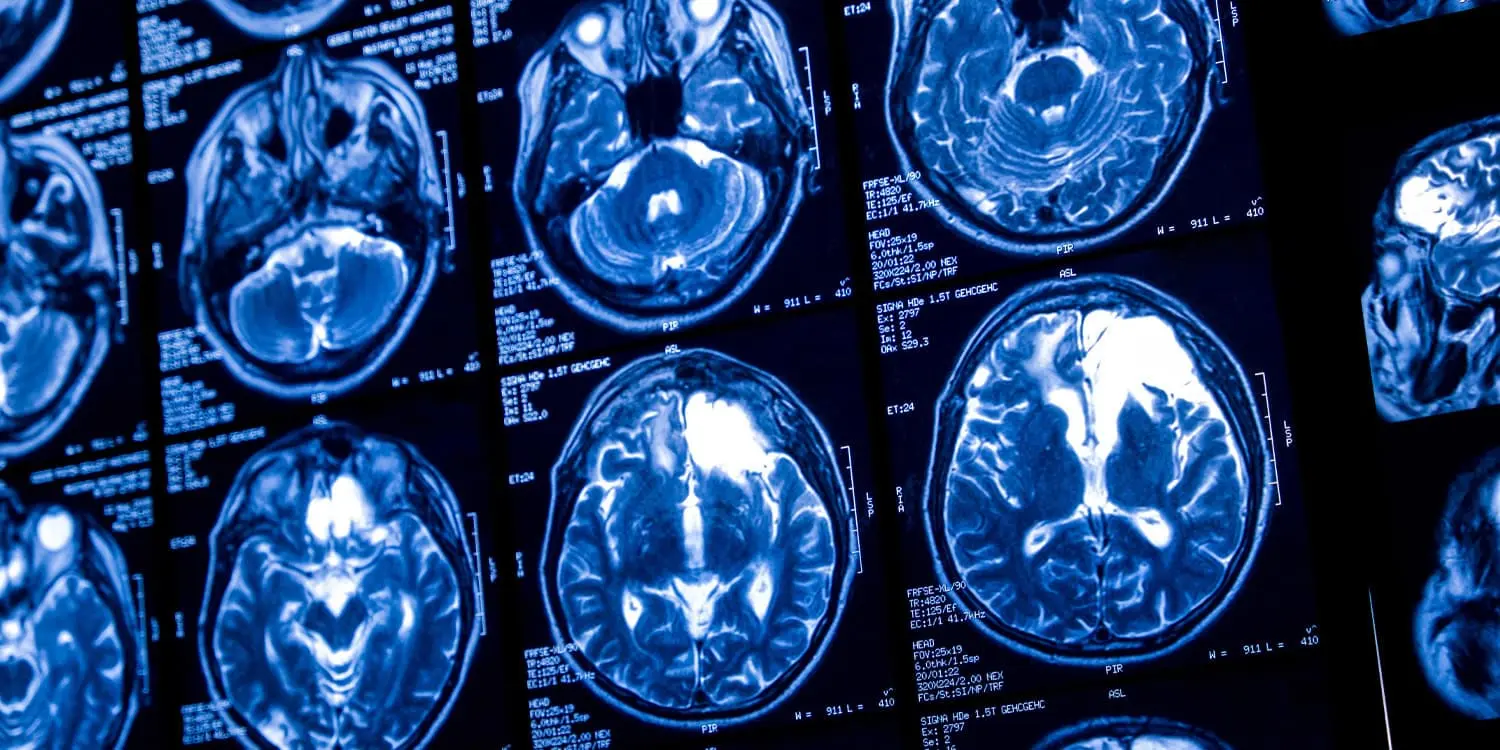 Early cognitive ability predicts adolescent brain development speed
The study, published in Nature Cancer, focuses on how glioma cells exploit biological pathways. These pathways are typically activated during tissue regeneration. When a stroke occurs, the brain initiates specific signaling cascades to restore function. Glioma cells appear to hijack these same signals. They use the infrastructure built for repair to facilitate their own expansion. This mimicry allows tumors to thrive in an environment designed for healing. The research team observed this phenomenon through detailed cellular analysis.
Does Injury Accelerate Cancer Spread?
The core mechanism involves shared molecular tools. The brain relies on certain proteins and signaling molecules to rebuild damaged areas. Glioma cells integrate into this network seamlessly. Instead of competing with the repair process, they align with it. This alignment grants them access to resources needed for survival. The study demonstrates that inhibiting these pathways might stop both repair and tumor growth. However, blocking them entirely could hinder normal brain recovery. This creates a delicate balance for clinicians managing patients with both conditions. The data indicates that timing and dosage of interventions will be key factors.
The relationship between trauma and malignancy has long been debated. This new evidence provides concrete biological proof of the link. It is not just a statistical correlation but a mechanistic interaction. The brain’s response to injury opens doors that tumor cells walk through. This implies that stroke survivors may face heightened risks. Monitoring for neurological symptoms becomes even more important. Patients should report any unexplained changes in mental state or coordination. Early detection remains the most powerful tool against progression.
How does a stroke specifically help glioma cells? Stroke triggers the brain’s innate repair systems. Glioma cells utilize these active pathways to grow and spread. They effectively borrow the brain’s recovery machinery for their benefit.
Frequently Asked Questions
Does this mean all strokes lead to cancer? No, not every stroke results in tumor development. The risk increases when pre-existing or dormant glioma cells are present. The injury simply provides the necessary environmental support for existing cells.
What are the immediate implications for treatment? Doctors must consider the dual nature of repair pathways. Treatments may need to target both the injury and the potential tumor. Personalized approaches will likely become standard practice soon.
Content written by John Pastor - Virginia Tech for wellness-bio-radar.com editorial team, AI-assisted.