
Brain shrinkage marker may predict early-onset Alzheimer's decline
Tracking Brain Volume Changes Over Time
A new study suggests that measuring gray matter loss in the brain could help forecast how fast people with early-onset Alzheimer's disease will progress from mild cognitive impairment to dementia. The research, published August 26, 2026, in Neurology, was conducted by researchers who analyzed data from patients diagnosed with early-onset forms of the disease.
Health news
 APOE Genotype Influences How Well Blood Tau Protein Predicts Cognitive Decline
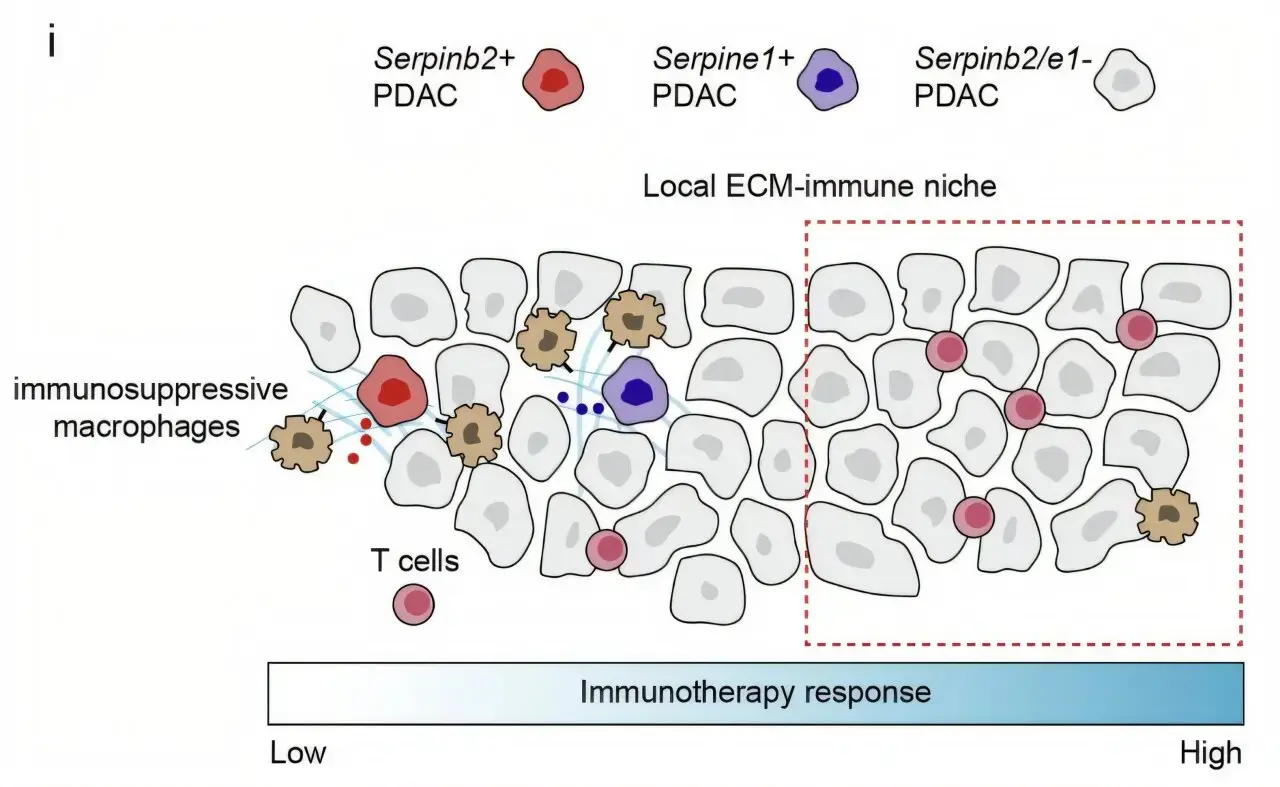 Pancreatic Cancer Hijacks Blood-Clotting System to Evade Immune Attack
 Survey Reveals Most Men Unaware Dairy May Increase Prostate Cancer Risk
 Therapeutic Gardening Shows Promise for Mental Health in Adults with Chronic Illnesses
The study focused on a biomarker tool that tracks changes in brain volume, specifically the shrinkage of gray matter, which plays a key role in memory and thinking. Researchers found that individuals showing greater rates of gray matter loss experienced faster cognitive decline. This finding could offer doctors a clearer way to monitor disease progression and tailor treatment plans accordingly.
The research team used advanced imaging techniques to measure gray matter volume in the brains of early-onset Alzheimer's patients over several years. Participants were initially diagnosed with mild cognitive impairment, a stage often considered a precursor to full dementia. By comparing baseline scans with follow-up images, the researchers calculated the rate of brain shrinkage for each individual.
Those with the fastest rates of gray matter loss progressed to dementia more quickly than those with slower rates of decline. The biomarker tool was able to predict the timeline of progression with notable accuracy, suggesting it could serve as a valuable prognostic instrument. Lead researchers noted that the results provide important insight into how early-onset Alzheimer's differs from late-onset forms of the disease.
Can This Biomarker Guide Treatment Decisions?
Yes, according to the study authors, this biomarker may help clinicians identify which patients are at higher risk for rapid decline. Early identification could allow for earlier intervention with medications or lifestyle changes aimed at slowing progression. However, the researchers emphasized that the biomarker is not yet ready for widespread clinical use and requires further validation in larger, diverse populations.
The study included a relatively small group of participants, mostly from a single region, which limits how broadly the findings can be applied. Additionally, while the biomarker shows promise, it is not a standalone diagnostic tool and should be used alongside other clinical assessments.
Looking ahead, the research team plans to expand their study to include more participants across different demographics. They also hope to explore how this biomarker might interact with genetic factors or other known risk markers for Alzheimer's disease. If successful, such tools could transform how early-onset Alzheimer's is managed, offering patients and families a better understanding of what to expect.
What is the biomarker used in this study?
The biomarker measures the rate of gray matter shrinkage in the brain using MRI scans. It tracks changes in brain volume over time to assess how quickly neurodegeneration is occurring.
Frequently Asked Questions
How accurate is the prediction of disease progression?
The study found that the biomarker could predict the speed of progression from mild cognitive impairment to dementia with meaningful accuracy, though exact figures were not specified in the summary.
Is this test available for patients now?
No, the test is still experimental and requires additional testing before it can be used routinely in clinical settings. Doctors continue to rely on standard cognitive and imaging assessments for now.
Content written by Marcus Reid for wellness-bio-radar.com editorial team, AI-assisted.