
Bridging the Gap in Treatment for Chronic Diseases Triggered by Infections
Understanding the Chronic Symptoms Post-Infection
Each year, thousands of Americans experience long-lasting symptoms like fatigue and cognitive difficulties after acute infections. This issue arises from diseases such as Lyme disease and COVID-19. Researchers from Rutgers University are examining this phenomenon to find effective treatments. Many individuals suffer from debilitating conditions that persist long after initial infections. Despite ongoing research, understanding the underlying causes and developing treatments has proven challenging. A group of 16 prominent researchers is now focusing on the gaps in methodology that hinder progress in this area.
Health news
 Sleep May Be the Heart's Nightly Repair Window, Study Suggests
 APOE Genotype Influences How Well Blood Tau Protein Predicts Cognitive Decline
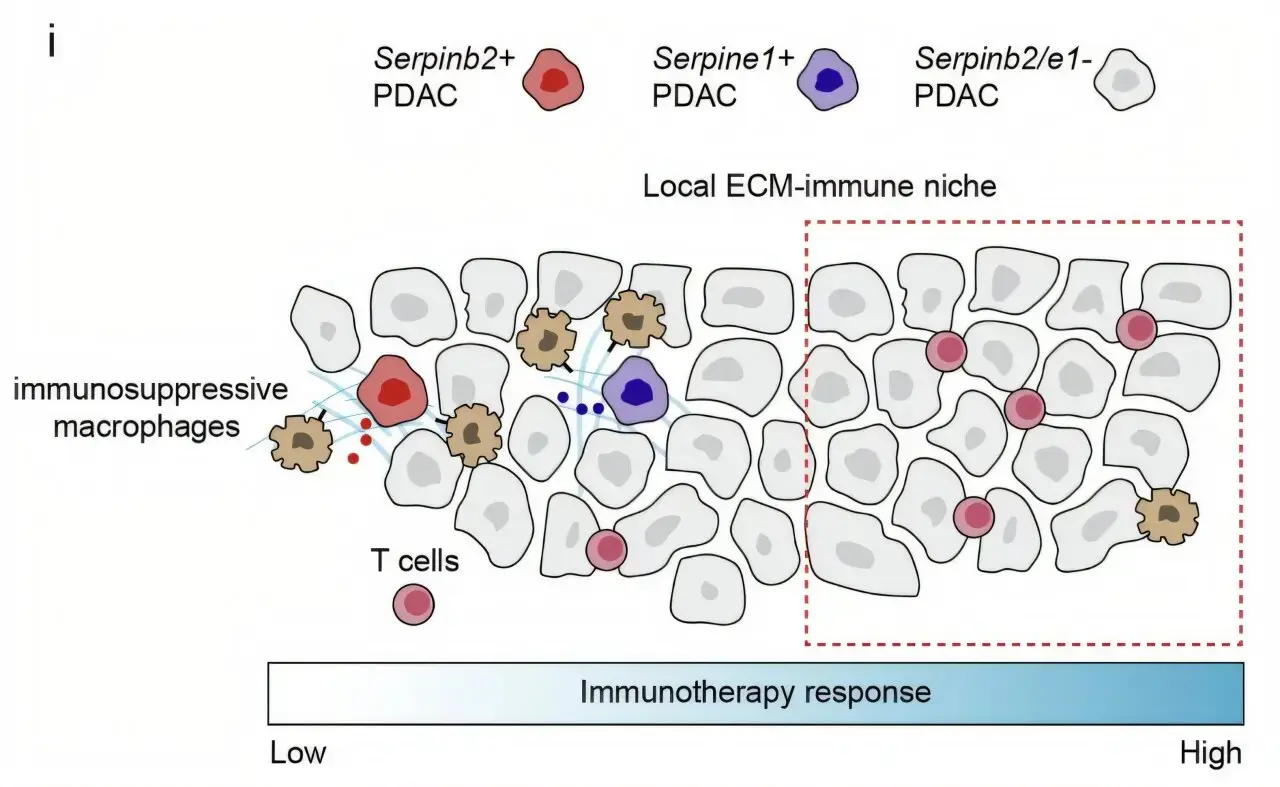 Pancreatic Cancer Hijacks Blood-Clotting System to Evade Immune Attack
 Survey Reveals Most Men Unaware Dairy May Increase Prostate Cancer Risk
Chronic symptoms can include not only fatigue but also brain fogand other cognitive impairments. These conditions significantly impact daily life, making it difficult for individuals to work or engage in social activities. The complexity of these symptoms often leads to misdiagnosis or under-treatment, leaving many patients without adequate care.
Researchers are exploring how infections can lead to long-term health issues. They are investigating the biological processes triggered by pathogens and how these processes can result in chronic symptoms. The goal is to identify common pathways that may lead to effective treatment options.
What Are the Barriers to Effective Treatment?
One major barrier to treatment is the lack of a standardized methodology for studying these chronic conditions. Researchers argue that without a clear framework, it is difficult to draw meaningful conclusions from studies. This gap can lead to inconsistent findings, making it hard to develop effective therapies.
The team of researchers is advocating for a unified approach to studying infection-triggered chronic diseases. By collaborating and sharing data, they hope to create a comprehensive understanding of these complex conditions. This collaborative effort may pave the way for innovative treatment strategies that can alleviate the suffering of many patients.
Frequently Asked Questions
The consequences of failing to address these chronic issues are significant. Patients often endure a diminished quality of life, which can lead to increased healthcare costs and lost productivity. As research continues, there is hope that a clearer understanding of these diseases will emerge, ultimately leading to better treatment options and improved outcomes for those affected.
What types of infections can lead to chronic symptoms? Infections like Lyme disease and COVID-19 have been linked to long-lasting symptoms. Other pathogens may also contribute to similar health issues.
Why is it difficult to treat these chronic conditions? The lack of standardized research methodologies makes it challenging to identify effective treatments. Ongoing collaboration among researchers aims to address this gap.
Content written by Dr. Elena Voss for wellness-bio-radar.com editorial team, AI-assisted.