
Cancer Cells Use Liver Fat to Hide from Immune System
How Do Cancer Cells Exploit Liver Fat?
Scientists have uncovered a new way cancer cells survive in the liver. Researchers at VIB and KU Leuven, working with international partners, found that cancer cells use a specific fatty acid found in the liver. This allows them to avoid being destroyed by the body's immune system, a key discovery in understanding deadly liver metastases.
Health news
 APOE Genotype Influences How Well Blood Tau Protein Predicts Cognitive Decline
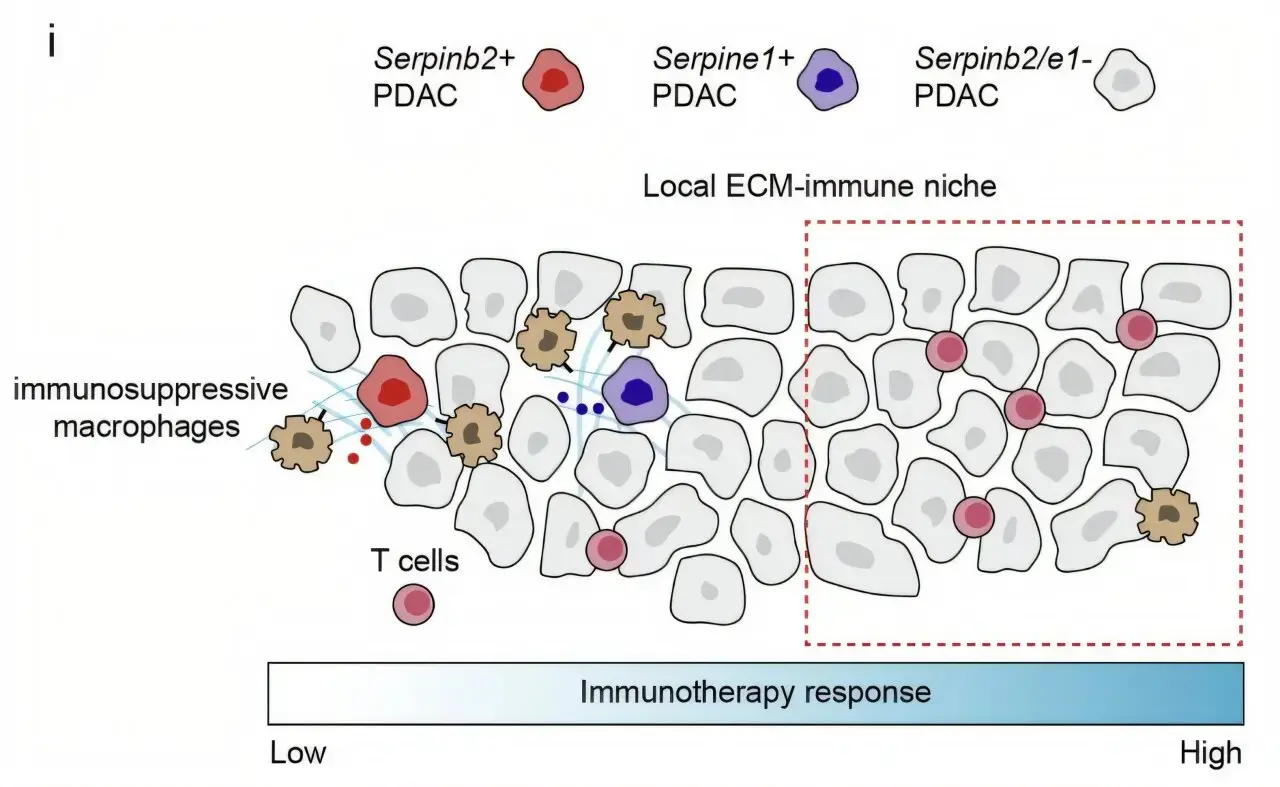 Pancreatic Cancer Hijacks Blood-Clotting System to Evade Immune Attack
 Survey Reveals Most Men Unaware Dairy May Increase Prostate Cancer Risk
 Therapeutic Gardening Shows Promise for Mental Health in Adults with Chronic Illnesses
Liver metastases are a very common and dangerous form of cancer spread. These new findings explain how these cancer cells can thrive in such an environment. The research points to a potential new target for cancer treatments.
The study revealed that cancer cells in the liver take advantage of a fatty acid called oleic acid. This acid is plentiful in the liver. Cancer cells absorb oleic acid and use it to build their cell membranes. This process makes them less visible to immune cells, particularly natural killer (NK) cells.
Can This Discovery Lead to New Treatments?
NK cells are crucial for identifying and eliminating cancerous cells. However, when cancer cells incorporate oleic acid, their outer layer changes. This alteration effectively camouflages them from the immune system's surveillance. Disrupting this process could make cancer cells vulnerable again.
Yes, this discovery opens up new avenues for cancer therapy. By understanding how cancer cells use oleic acid to evade detection, scientists can develop strategies to block this mechanism. This could involve drugs that interfere with oleic acid uptake or its integration into cell membranes.
Making cancer cells visible to the immune system again could enhance the effectiveness of existing immunotherapies. It might also lead to entirely new treatments that specifically target liver metastases. This research offers hope for patients facing these aggressive cancers.
Frequently Asked Questions
What are liver metastases? Liver metastases are secondary cancerous tumors that have spread to the liver from a primary cancer site elsewhere in the body. They are a common and often life-threatening complication of many cancers.
How do cancer cells use oleic acid? Cancer cells absorb oleic acid, a fatty acid abundant in the liver, and incorporate it into their cell membranes. This structural change helps them evade detection and destruction by the body's immune cells.
What is the significance of this research? This research identifies a novel mechanism by which cancer cells survive in the liver. It provides a new target for developing therapies that could make liver metastases more susceptible to the immune system, potentially improving patient outcomes.
Content written by Dr. Elena Voss for wellness-bio-radar.com editorial team, AI-assisted.