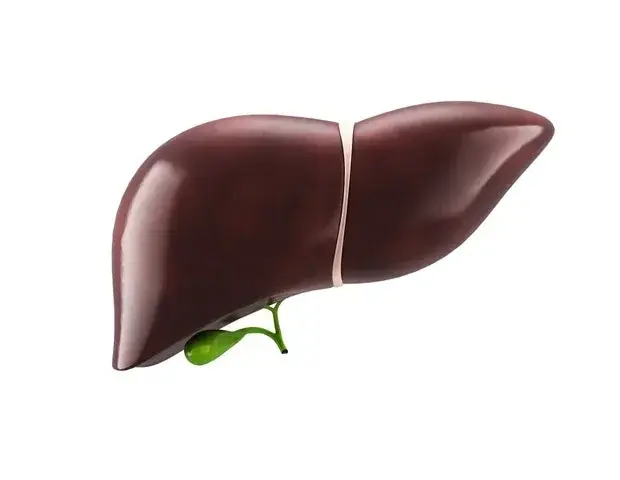
Combined Bio-Histological Score Aims to Reduce Overtreatment in Liver Transplant Recipients
By focusing on actual tissue tolerance rather than relying solely on lab values
A new scoring system combining biological and histological markers could help prevent unnecessary intensive immunosuppression in liver transplant patients, according to research published in Hepatobiliary & Pancreatic Diseases International. Long-term transplant success is often undermined by complications from over-treatment, including infections, heart issues, kidney problems, and metabolic disorders affecting up to 40% of recipients. For years, clinicians have erred on the side of caution due to fears of graft rejection, leading to regimens that may do more harm than good over time. Developing a Balanced Risk Assessment Tool Researchers designed the combined bio-histological score to better identify patients who can safely receive lower levels of immunosuppression without increasing rejection risk. The approach integrates routine blood biomarkers with subtle tissue changes seen in biopsy samples, offering a more nuanced view of immune activity than standard monitoring alone.
Health news
 Sleep May Be the Heart's Nightly Repair Window, Study Suggests
 APOE Genotype Influences How Well Blood Tau Protein Predicts Cognitive Decline
 Pancreatic Cancer Hijacks Blood-Clotting System to Evade Immune Attack
 Survey Reveals Most Men Unaware Dairy May Increase Prostate Cancer Risk
By focusing on actual tissue tolerance rather than relying solely on lab values or clinical guesswork, the score aims to personalize treatment intensity. Early data suggest it could help distinguish those truly at risk from those who are being over-treated due to protocol-driven caution. Can This Approach Reduce Long-Term Complications Without Raising Rejection Rates? Preliminary findings indicate that patients stratified as low-risk by the score maintained stable graft function while experiencing significantly fewer side effects from reduced drug exposure. Rates of new-onset diabetes, hypertension, and chronic kidney injury dropped notably in the low-intervention group compared to those receiving standard high-intensity regimens. Importantly, acute rejection episodes did not increase, suggesting the score effectively identifies genuine immunological quiescence.
Researchers emphasize that larger, multi-center trials are needed before clinical adoption, but the strategy represents a shift toward precision medicine in transplant care. Frequently Asked Questions How does the bio-histological score differ from current monitoring methods? It combines blood-based biomarkers with microscopic tissue analysis from biopsies to assess both systemic and local immune activity, providing a more comprehensive picture than blood tests alone. What complications are linked to over-immunosuppression in transplant patients? Excessive suppression increases vulnerability to infections, cardiovascular disease, kidney dysfunction, and metabolic disorders like diabetes, affecting a substantial minority of long-term survivors. Is lowering immunosuppression safe for all liver transplant recipients? No, the score is intended to identify only those with low immunological risk; reducing drugs in high-risk patients could endanger the graft and is not recommended without careful evaluation.
Content written by Dr. Nathan Cole for wellness-bio-radar.com editorial team, AI-assisted.