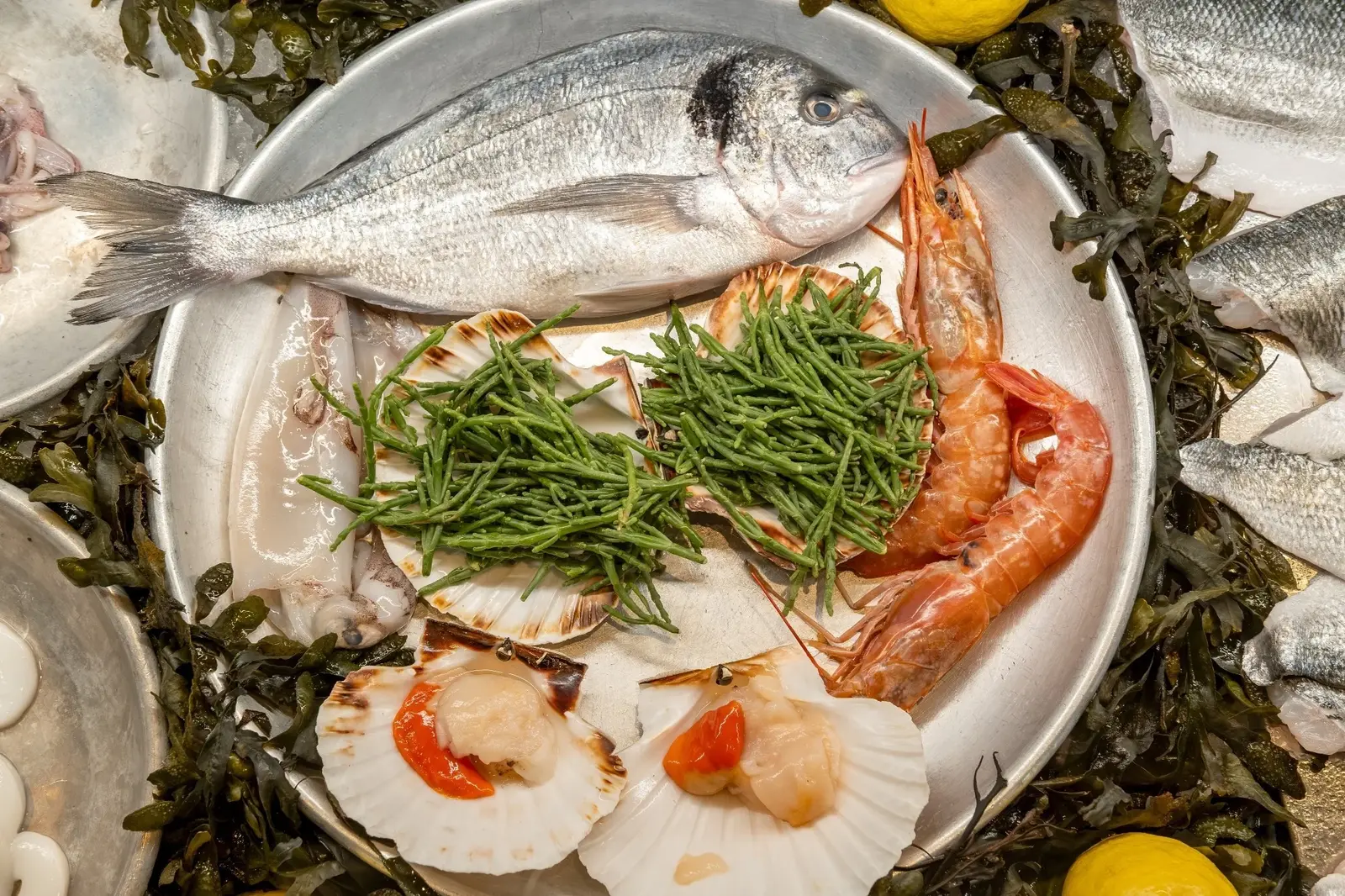
Korean Study Links Finfish Consumption to Higher Levels of Persistent Chemicals
Finfish as a Primary Vector for PFAS Accumulation
A nationwide survey of 4,279 Korean adults, conducted between 2018 and 2022, examined how different seafood types affect exposure to long‑lasting pollutants and liver‑function markers. Researchers found that people who ate more finfish showed significantly higher body burdens of persistent chemicals, including a clear link through PFAS compounds to elevated γ‑glutamyltransferase, an enzyme indicating liver stress.
Health news
 Exercise and Mood: Italian Study Links Physical Activity to Lower Depression Symptoms
 Screen Time in Childhood Linked to Unexpected Cognitive Boost in Teens, 8‑Year Study Shows
 Workplace stress and anxiety are taking a heavy toll on employees, with one in three workers reporting that the strain is not easing
 Daily Food Habit Tied to Lower Risk of Anxiety and Depression
The team categorized participants’ seafood intake into six groups: finfish, shellfish, crustaceans, mollusks, seaweed, and mixed dishes. Blood and urine samples were analyzed for a suite of persistent organic pollutants (POPs) and per‑ and polyfluoroalkyl substances (PFAS). Statistical models adjusted for age, sex, smoking, alcohol use, and overall diet revealed that finfish consumers had the greatest concentrations of several POPs, notably polychlorinated biphenyls (PCBs) and dioxin‑like compounds. The association persisted after controlling for total seafood calories, suggesting that the type of fish, rather than sheer amount, drives the chemical load.
Are Shellfish and Seaweed Safer Choices for Seafood Lovers?
In contrast, shellfish and seaweed consumers displayed lower concentrations of the same pollutants. Mussels, oysters, and seaweed showed minimal PFAS accumulation and did not exhibit a significant association with GGT levels. The authors attribute this difference to the shorter food chains and faster turnover rates of these organisms, which limit bioaccumulation. Nonetheless, the study cautions that all seafood can contain trace contaminants, and cooking methods may influence exposure.
The implications of this research extend beyond individual dietary choices. Policymakers may need to reassess seafood safety guidelines, especially for populations with high finfish consumption. Ongoing monitoring of marine pollution and stricter regulations on industrial PFAS discharge could reduce the chemical load entering the food chain. Future studies are planned to explore whether substituting finfish with lower‑risk seafood can lower liver‑related health risks over time.
What chemicals were most prevalent in finfish consumers? Polychlorinated biphenyls, dioxin‑like compounds, and PFAS were found at higher levels in those eating more finfish, with PFAS showing the strongest link to liver enzyme changes.
Frequently Asked Questions
Does cooking reduce the chemical burden in fish? Cooking can lower some contaminants, but PFAS are heat‑stable and persist through typical preparation methods, so the overall chemical load remains largely unchanged.
Should I stop eating finfish altogether? The study does not advise eliminating finfish, but suggests diversifying seafood choices and limiting intake of large predatory species to mitigate chemical exposure while still benefiting from essential nutrients.