Light-Controlled Molecular Switch Targets Dormant Lung Cancer Cells
Reviving Dormant Cancer Cells
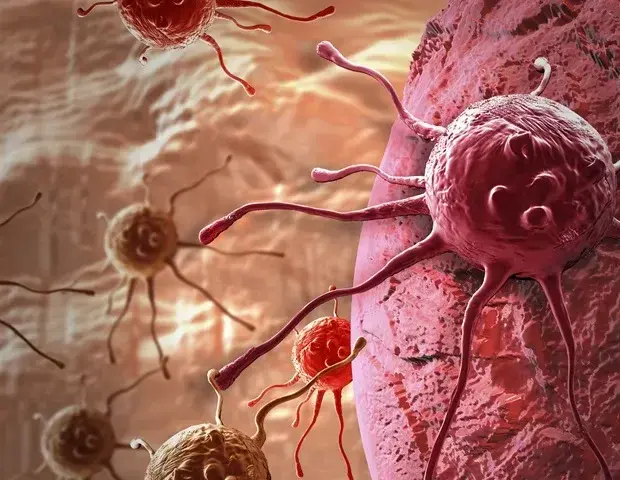
Researchers at ETH Zurich have developed a light-controlled molecular switch that awakens dormant lung cancer cells, making them more susceptible to treatment. This breakthrough was achieved by a team of scientists from ETH Zurich, published on June 15, 2026.
Health news
 Sleep May Be the Heart's Nightly Repair Window, Study Suggests
 APOE Genotype Influences How Well Blood Tau Protein Predicts Cognitive Decline
 Pancreatic Cancer Hijacks Blood-Clotting System to Evade Immune Attack
 Survey Reveals Most Men Unaware Dairy May Increase Prostate Cancer Risk
Tumor cells can enter a dormant state, evading the effects of cancer drugs. This state is a significant obstacle to effective cancer treatment. The new molecular switch forces these cells out of dormancy.
The molecular switch is controlled by light, which triggers a response that awakens dormant lung cancer cells. By doing so, it makes them more accessible to cancer treatments. This innovative approach has the potential to improve treatment outcomes for patients with lung cancer.
Can Light-Controlled Switches Revolutionize Cancer Treatment?
The researchers' findings indicate that the molecular switch can effectively target dormant cancer cells. This is a crucial step forward in cancer research, as dormant cells are often resistant to conventional treatments.
The development of this molecular switch opens up new possibilities for cancer therapy. By awakening dormant cancer cells, it enables treatments to target a larger proportion of cancer cells.
The consequences of this breakthrough are significant. If successful, this technology could lead to more effective treatments for lung cancer patients. By making dormant cancer cells more susceptible to treatment, it could improve patient outcomes and save lives.
Frequently Asked Questions
What is the molecular switch's role in cancer treatment? The molecular switch awakens dormant lung cancer cells, making them more accessible to treatment. It is controlled by light.
How does the molecular switch work? The switch is triggered by light, which forces dormant cancer cells out of their dormant state.
What are the potential benefits of this technology? It could lead to more effective treatments for lung cancer patients by targeting a larger proportion of cancer cells.
Content written by Marcus Reid for wellness-bio-radar.com editorial team, AI-assisted.