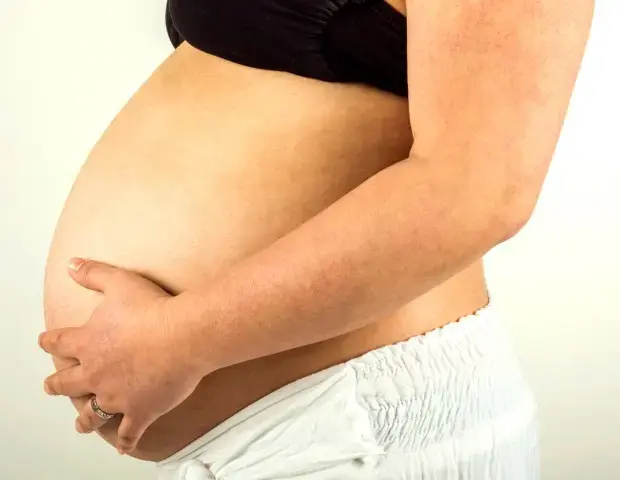
Maternal Weight Affects Fetal Microbiota Signaling
Unraveling the Microbiota Connection
Researchers at the University of Oulu and Oulu University Hospital conducted a study that sheds new light on the relationship between maternal weight and fetal microbiota. The study was completed recently. The findings have significant implications for our understanding of fetal development.
Health news
 Voice Recording Predicts Age, Reveals New Biological Clock
 Popular Zero-Calorie Sweeteners May Pass Effects to Future Generations
 Movement Patterns Linked to Longevity
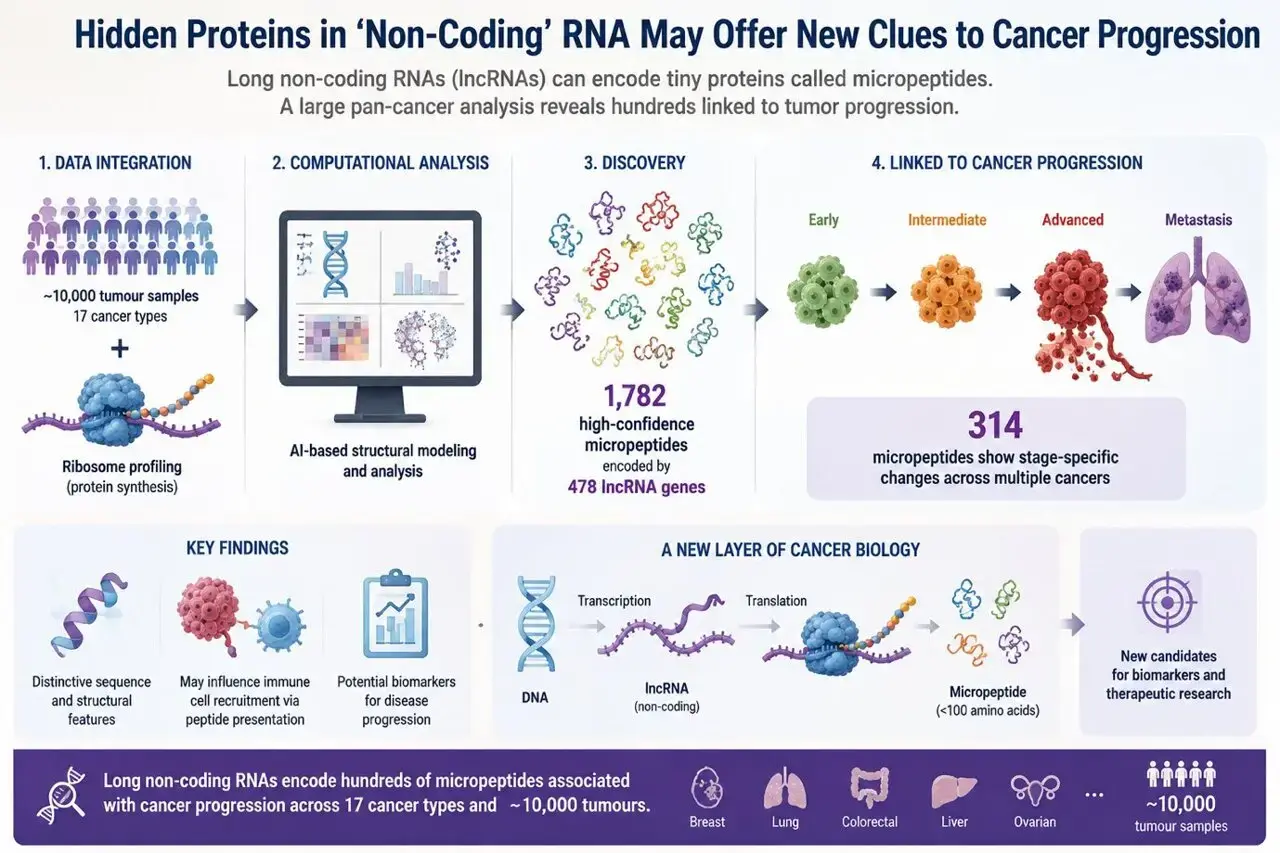 Hidden Proteins In Non-Coding RNA May Explain Cancer Spread
The study suggests that factors related to maternal weight influence signaling particles produced by the maternal microbiota, not just in the gut but also in amniotic fluid. This indicates that the effects of the microbiota may extend to the fetal environment.
Can Maternal Weight Influence Fetal Development?
The research team discovered that maternal weight is linked to changes in the microbiota's signaling particles. These particles are produced by the maternal microbiota and can be found in the amniotic fluid, which surrounds the fetus during pregnancy. The study's findings imply that the maternal microbiota plays a crucial role in shaping the fetal environment.
The researchers analyzed samples from pregnant women and found a correlation between maternal weight and the composition of signaling particles in the amniotic fluid. This correlation suggests that the maternal microbiota is influenced by the mother's weight, which in turn affects the fetal environment.
Frequently Asked Questions
The study's findings raise important questions about the potential impact of maternal weight on fetal development. If the maternal microbiota influences the fetal environment, it is possible that maternal weight could have a lasting impact on the child's health.
The study's results have significant implications for our understanding of fetal development and the role of the maternal microbiota. As research continues to uncover the complex relationships between maternal health and fetal development, it is likely that new strategies for promoting healthy pregnancies will emerge.
Content written by Claire Ashworth for wellness-bio-radar.com editorial team, AI-assisted.