
Medical AI Expands Beyond Treatment Into Prevention
Redefining the AI Framework in Medicine
Researchers propose a significant evolution in artificial intelligence applications within healthcare. The field is moving past simple diagnostic tools toward proactive prevention strategies. This shift aims to address health issues before symptoms appear. The new framework introduces two distinct domains for AI development. These additions focus on critical analysis and creative problem-solving. The goal is to make medical systems more robust and adaptive.
Health news
 APOE Genotype Influences How Well Blood Tau Protein Predicts Cognitive Decline
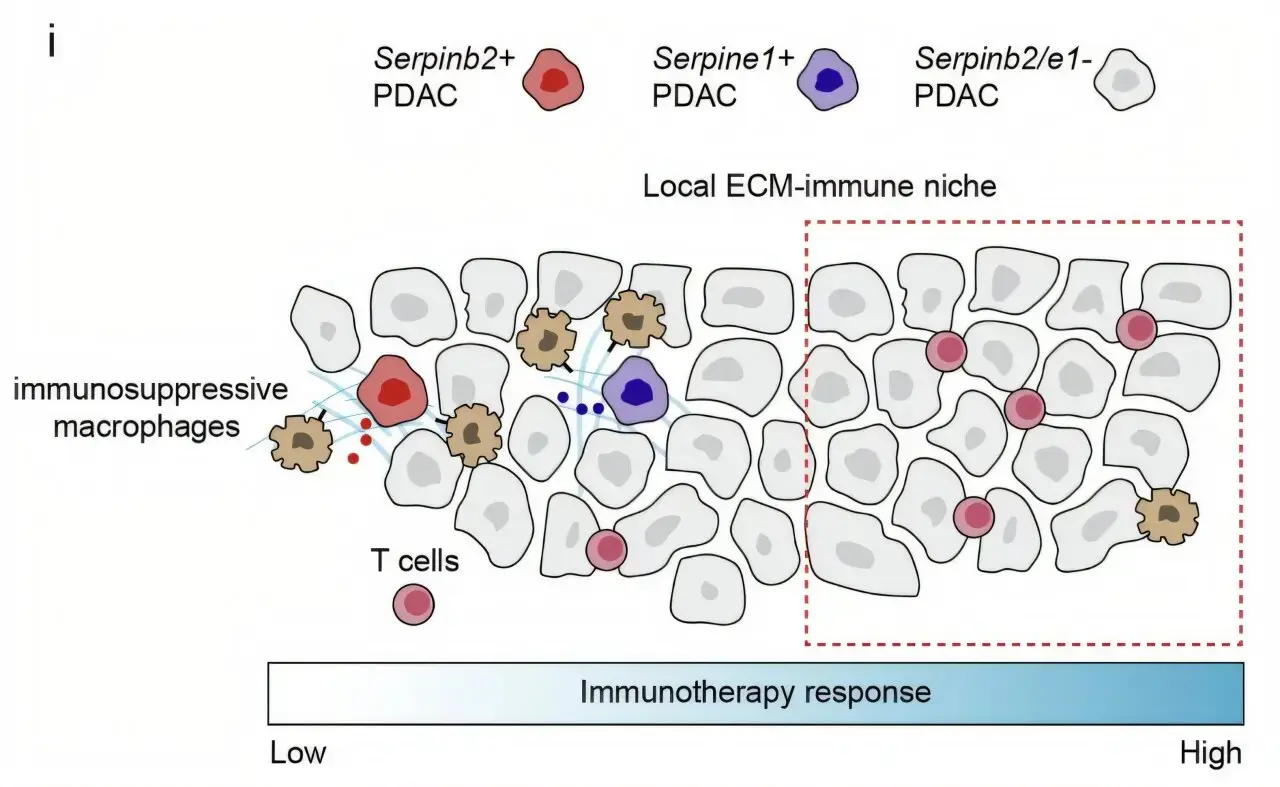 Pancreatic Cancer Hijacks Blood-Clotting System to Evade Immune Attack
 Survey Reveals Most Men Unaware Dairy May Increase Prostate Cancer Risk
 Therapeutic Gardening Shows Promise for Mental Health in Adults with Chronic Illnesses
The traditional model of medical AI relies on four core functions. These are descriptive, diagnostic, predictive, and prescriptive capabilities. Descriptive AI summarizes patient data effectively. Diagnostic AI identifies specific conditions accurately. Predictive AI forecasts potential health outcomes. Prescriptive AI recommends specific treatment plans. However, this standard model lacks mechanisms for self-correction and innovation. Researchers argue that current systems often operate in silos. They do not easily adapt to new or complex scenarios. To fix this, experts have identified gaps in the existing architecture. The proposed solution involves adding two new functional layers to the stack. These layers ensure that AI systems can evaluate their own outputs. They also allow for the generation of novel solutions.
Critique represents the first of these new domains. It enables AI models to assess their own performance continuously. This self-evaluation helps identify errors or biases in real-time. Creative AI forms the second domain. It allows systems to generate unexpected but valid medical insights. This capability is crucial for handling rare diseases. It also aids in drug discovery processes. By combining critique and creativity, medical AI becomes more resilient. It can handle ambiguous data better than previous models. The integration of these domains transforms AI from a passive tool into an active partner. Doctors can rely on systems that double-check their own logic. This reduces the risk of automated errors in critical care settings.
The practical implications of this dual-domain approach are profound. Hospitals can deploy AI that learns from its mistakes. This continuous feedback loop improves accuracy over time. Creative algorithms might suggest treatment combinations that human doctors rarely consider. This expands the therapeutic options available to patients. For example, an AI system could analyze genomic data creatively. It might link unrelated genetic markers to a disease. This leads to earlier intervention possibilities. The shift from reactive to preventive care saves lives. It also reduces long-term healthcare costs significantly. Patients benefit from personalized medicine tailored to their unique biology. The technology supports clinicians rather than replacing them entirely.
How Does This Change Patient Care?
The outlook for this technology remains optimistic but cautious. Implementation requires rigorous testing in clinical environments. Trust between doctors and AI systems must be built gradually. As these new domains mature, they will define the next era of digital health. The focus remains on improving human outcomes through smarter technology. Frequently Asked Questions
What are the two new domains added to medical AI? The new domains are Critique and Creative. Critique allows AI to self-evaluate its decisions. Creative enables the system to generate novel medical insights.
How does this differ from standard medical AI? Standard AI focuses on describing, diagnosing, predicting, and prescribing care. The new framework adds self-correction and innovative problem-solving. This makes the system more adaptive and less prone to static errors.
Does this mean AI will replace doctors? No, the goal is to support clinicians with better tools. AI handles complex data analysis and pattern recognition. Doctors retain final decision-making authority based on AI recommendations.
Content written by Claire Ashworth for wellness-bio-radar.com editorial team, AI-assisted.