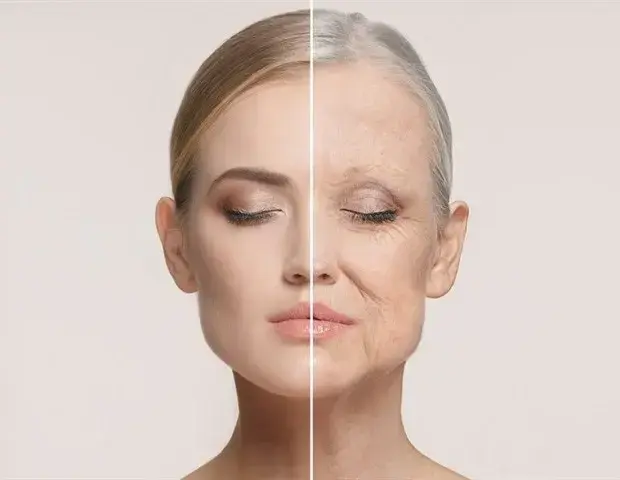
Molecular Aging Paths Vary Significantly Among Individuals
Why Average Models Fail to Capture Personal Reality
Researchers have completed an eight-year study involving 335 women, revealing that biological aging does not follow a uniform path. The investigation highlights distinct molecular differences between individuals. These variations suggest that standard population averages often miss critical personal health details. The team tracked specific biomarkers over time to map these unique trajectories.
Health news
 Sleep May Be the Heart's Nightly Repair Window, Study Suggests
 APOE Genotype Influences How Well Blood Tau Protein Predicts Cognitive Decline
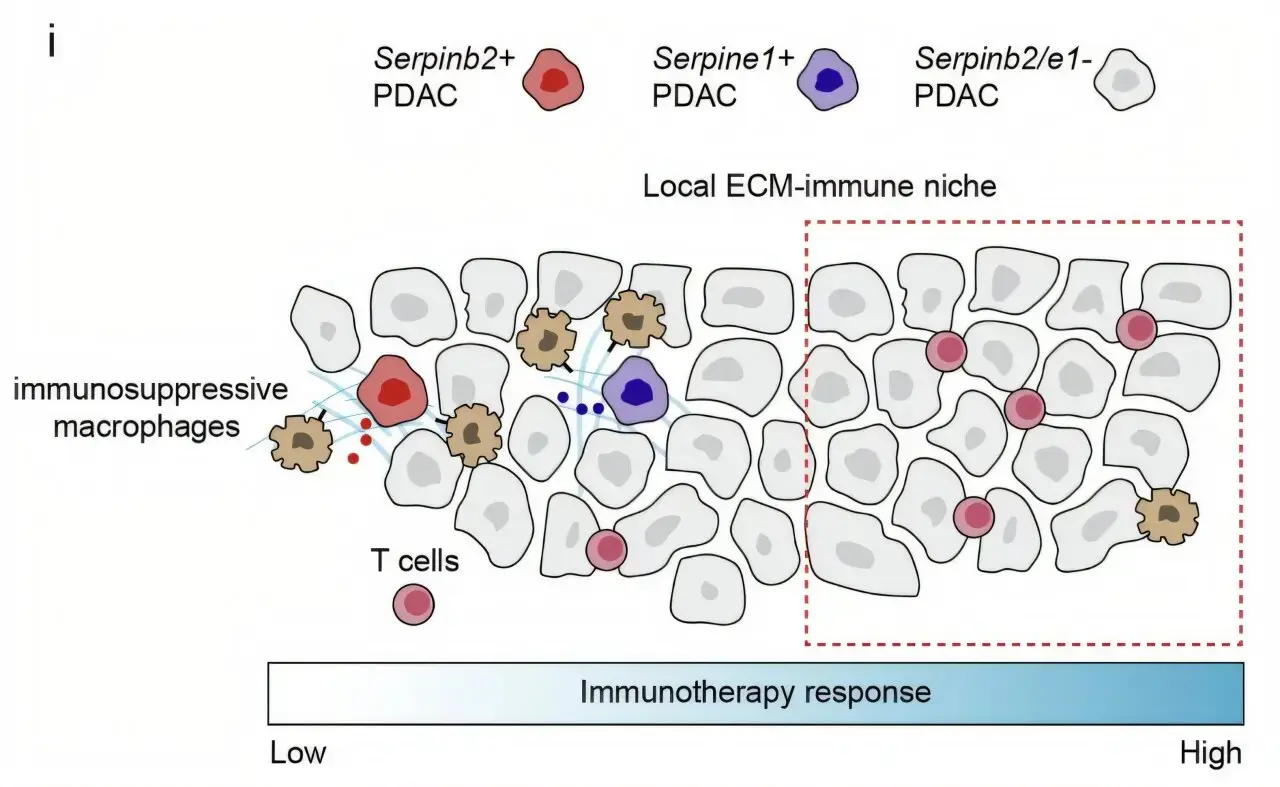 Pancreatic Cancer Hijacks Blood-Clotting System to Evade Immune Attack
 Survey Reveals Most Men Unaware Dairy May Increase Prostate Cancer Risk
The study demonstrates that individual molecular clocks tick at different rates. Genetic factors play a role, but they do not tell the whole story. Environmental exposures and lifestyle choices also shape the aging process. This complex interplay creates a personalized timeline for each person. Understanding this variability is key to predicting health risks accurately.
Traditional aging models rely on broad statistical trends. They assume most people age in similar ways. However, this new data shows significant divergence from those norms. Some participants aged faster than predicted, while others defied expectations. Their cellular markers remained younger than their chronological age. This gap between predicted and actual aging poses challenges for medicine. Doctors currently use age-based guidelines for screening and treatment. If molecular age differs greatly from calendar age, current standards may be flawed.
Can We Predict Your Unique Aging Speed?
The research team analyzed blood samples collected over several years. They looked at epigenetic changes, which act like switches on genes. These changes accumulate as we get older. By tracking them longitudinally, scientists could see the dynamic nature of aging. It is not a static state but a continuous process. Individual responses to stress, diet, and sleep likely influence these molecular shifts. The study emphasizes that one size does not fit all in gerontology.
Predicting personal aging speed requires more than just knowing your birthday. It demands detailed molecular profiling. The study suggests that early biomarkers might forecast future health declines. Identifying who ages fast versus slow could allow for targeted interventions. For example, someone with rapid cellular aging might need earlier cardiovascular checks. Conversely, slower agers might tolerate certain risks longer. This approach moves healthcare from reactive to proactive.
Frequently Asked Questions
The implications extend beyond simple diagnostics. Therapies could be tailored to an individual’s molecular profile. Instead of treating symptoms based on age, doctors could target specific pathways. This precision medicine model holds promise for longevity. However, it also raises questions about cost and accessibility. Not everyone will have access to frequent molecular testing.
Does this study apply to men? The current data focuses exclusively on 335 women. Therefore, the findings cannot be directly generalized to male populations yet. Future research must include men to validate these molecular patterns across genders.
How long did the researchers track participants? The study spanned eight years. This long-term observation allowed scientists to capture gradual changes in molecular markers. Shorter studies might miss these subtle, cumulative shifts in biological age.
Content written by Claire Ashworth for wellness-bio-radar.com editorial team, AI-assisted.