
Muscle Matters More Than Weight with Age
The Shift from Weight to Muscle Mass
As people enter their late thirties, the bathroom scale becomes a less reliable indicator of health. Research suggests that other factors are more important. The traditional method of measuring health by stepping on the scale is being reevaluated. A new perspective is emerging.
Health news
 Sleep May Be the Heart's Nightly Repair Window, Study Suggests
 APOE Genotype Influences How Well Blood Tau Protein Predicts Cognitive Decline
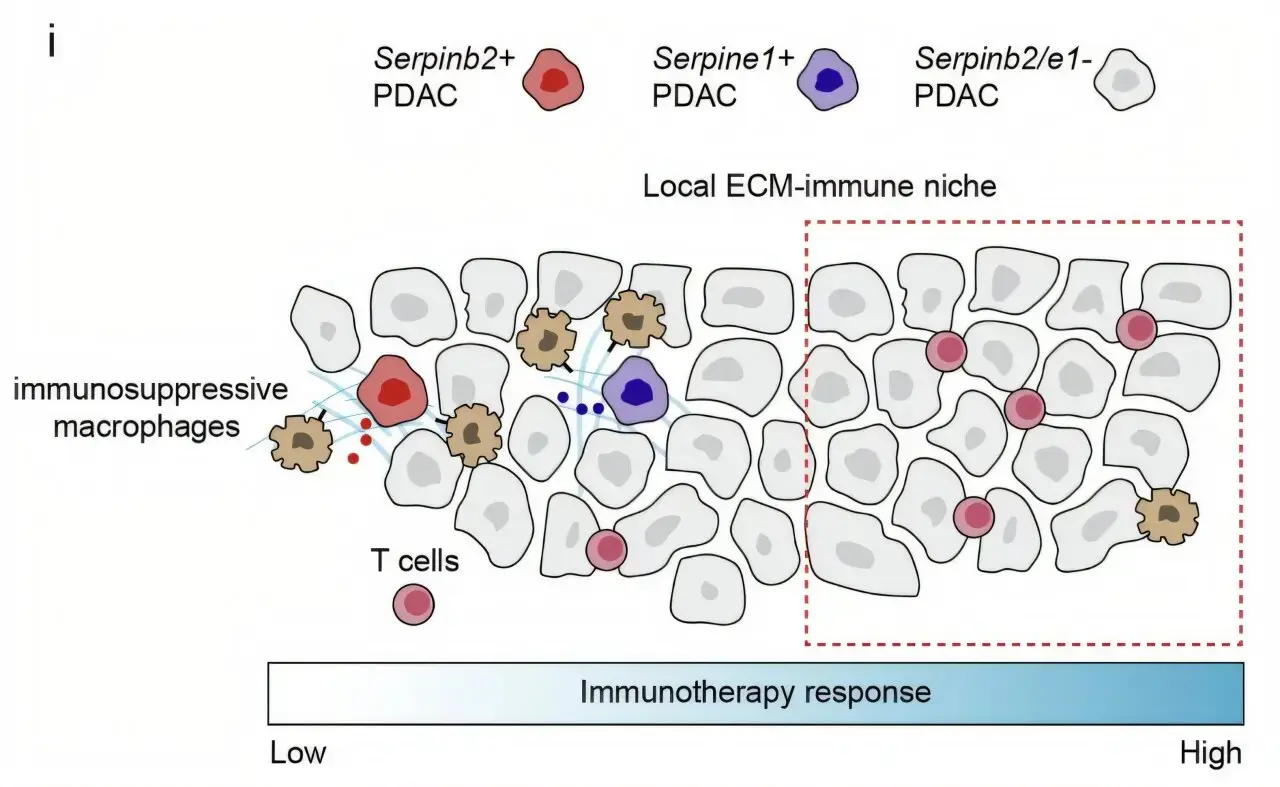 Pancreatic Cancer Hijacks Blood-Clotting System to Evade Immune Attack
 Survey Reveals Most Men Unaware Dairy May Increase Prostate Cancer Risk
For decades, weight has been the primary measure of health, with individuals adjusting their habits based on the number displayed on the scale. However, this approach has limitations, particularly as people age. As individuals enter their thirties and beyond, their body composition changes, making weight a less accurate indicator of overall health.
Is Weight Still a Useful Indicator?
As people age, they naturally lose muscle mass and gain fat. This change can occur even if their weight remains the same. Having more muscle mass is associated with better health outcomes, including improved mobility and reduced risk of chronic diseases. Studies have shown that muscle mass is a stronger predictor of health than weight alone.
Frequently Asked Questions
Research has found that two individuals with the same weight can have vastly different health profiles, depending on their muscle mass and body composition. For example, an older adult with a high percentage of body fat may be at greater risk for health problems than a younger person with the same weight but a higher percentage of muscle mass.
Consequences of ignoring muscle mass can be significant, particularly in older adults. Loss of muscle mass can lead to frailty, disability, and increased risk of falls and other health issues. As the population ages, understanding the importance of muscle mass will become increasingly important.
Content written by Marcus Reid for wellness-bio-radar.com editorial team, AI-assisted.