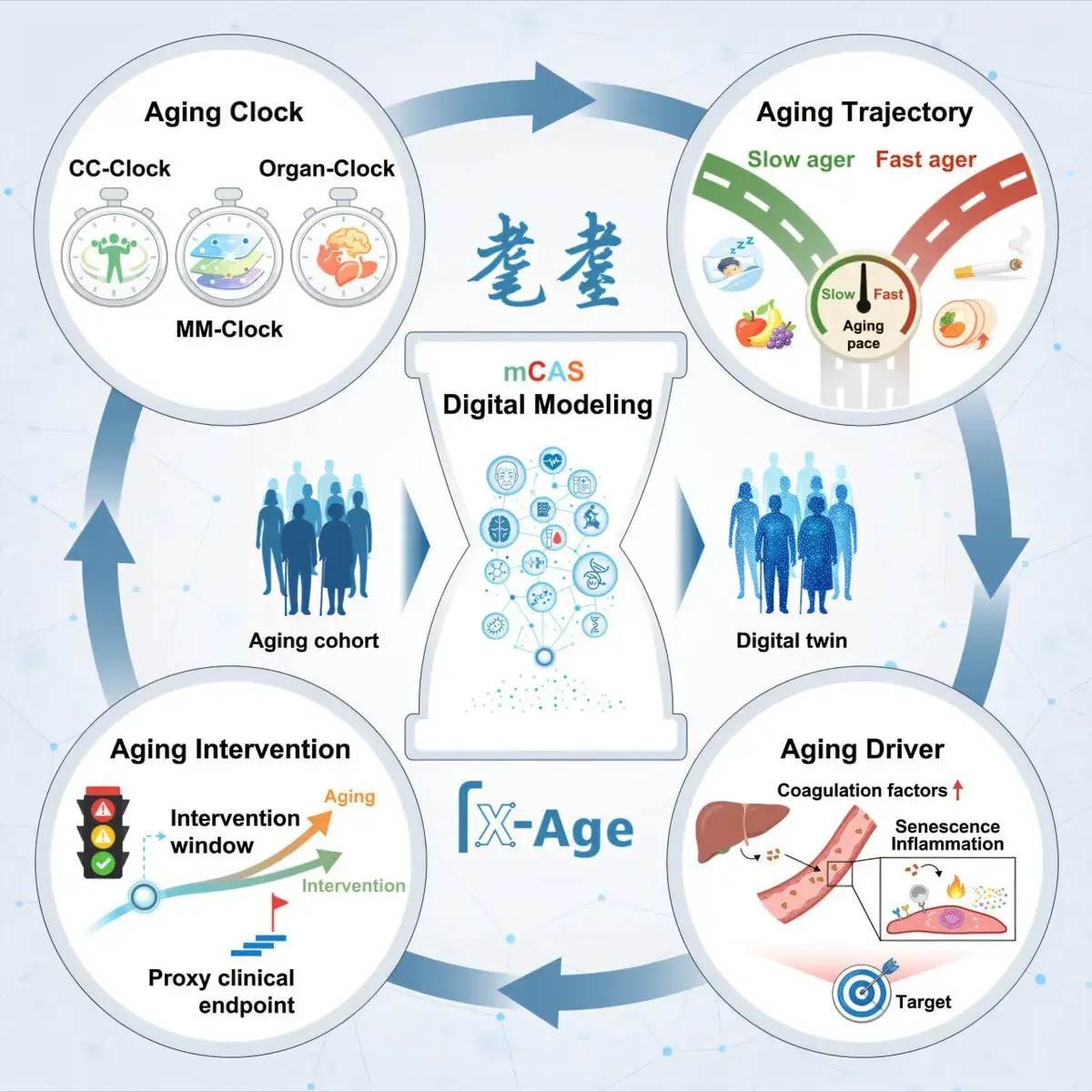
New Digital Aging Model Reveals Varied Rates of Organ Aging in Adults
Understanding the Digital Aging Twin Concept
The digital aging twin concept uses advanced algorithms and data from numerous individuals to create a virtual representation of organ aging. This model can assess the biological age of organs like the heart, liver, and kidneys, which may age at different speeds. By utilizing this technology, researchers can identify which organs are aging prematurely and why.
Health news
 Sleep May Be the Heart's Nightly Repair Window, Study Suggests
 APOE Genotype Influences How Well Blood Tau Protein Predicts Cognitive Decline
 Pancreatic Cancer Hijacks Blood-Clotting System to Evade Immune Attack
 Survey Reveals Most Men Unaware Dairy May Increase Prostate Cancer Risk
Dr. Gaby Clark, one of the lead researchers, emphasized the importance of this model. „We can now pinpoint which organs are at risk and tailor interventions to slow down their decline,”she explained. This personalized approach could lead to better health outcomes and improved quality of life for aging individuals.
How Can This Model Change Our Approach to Aging?
The implications of the digital aging model are significant. It offers a new framework for understanding aging-related diseases, which often stem from organ decline. By identifying early signs of aging in specific organs, healthcare providers can implement preventive measures sooner.
Moreover, this model could revolutionize clinical practices. Instead of a one-size-fits-all approach, treatments could be customized based on an individual’s organ health. This shift could lead to more effective management of age-related conditions.
The research team hopes that their findings will encourage further studies into organ-specific aging. Understanding the mechanisms behind these differences could pave the way for innovative therapies that target aging at its source.
Frequently Asked Questions
What is the digital aging twin model? The digital aging twin model is a virtual representation that measures how different organs age at varying rates. It uses data and algorithms to assess biological age.
How can this research benefit healthcare? This research can lead to personalized treatments for aging-related diseases by identifying which organs are aging prematurely and allowing for targeted interventions.
Content written by Claire Ashworth for wellness-bio-radar.com editorial team, AI-assisted.