
New Drug Endoxifen Shows Promise in Reducing Breast Density and Side Effects
How Does Endoxifen Work?
Recent research indicates that the breast cancer prevention medication (Z)-endoxifen effectively lowers mammographic breast density while presenting fewer side effects compared to tamoxifen. This study highlights the potential of endoxifen as a safer alternative for women at risk of breast cancer.
Health news
 Sleep May Be the Heart's Nightly Repair Window, Study Suggests
 APOE Genotype Influences How Well Blood Tau Protein Predicts Cognitive Decline
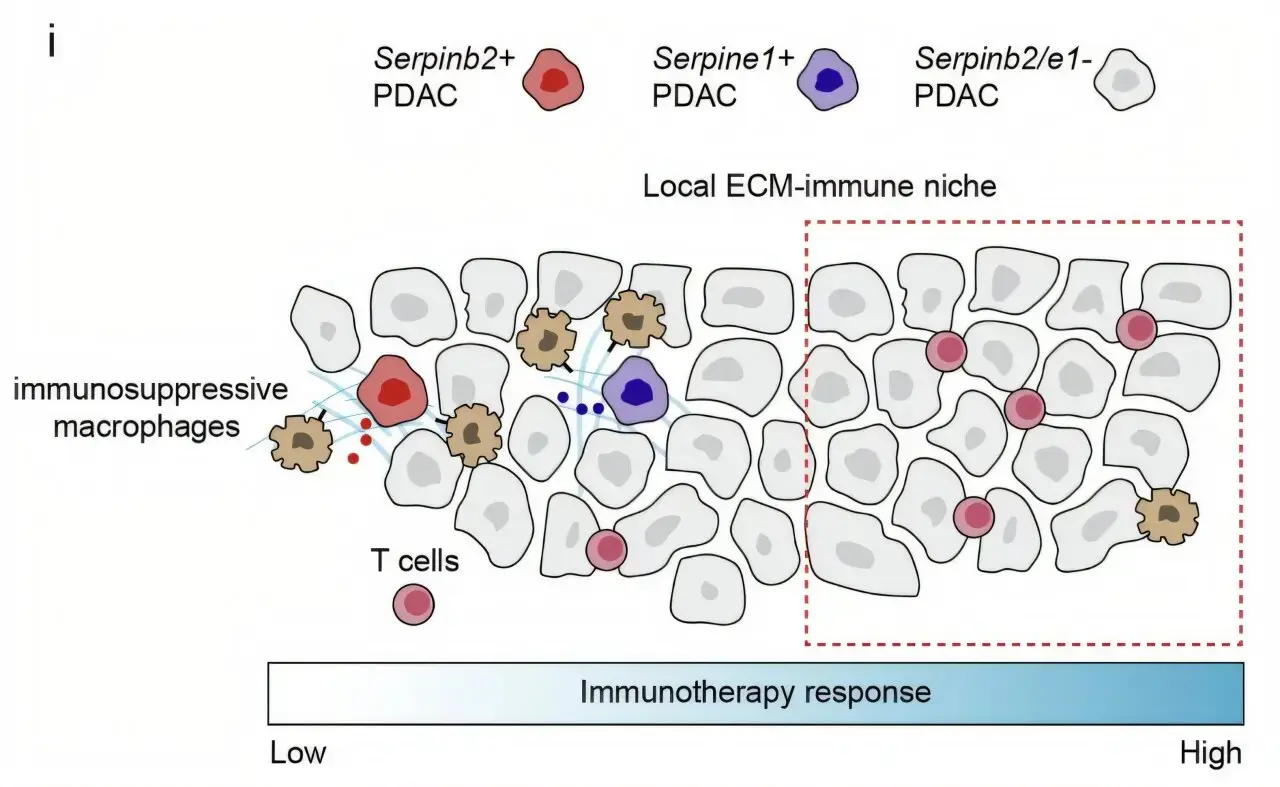 Pancreatic Cancer Hijacks Blood-Clotting System to Evade Immune Attack
 Survey Reveals Most Men Unaware Dairy May Increase Prostate Cancer Risk
The study evaluated the effects of endoxifen on breast density, a known risk factor for breast cancer. Researchers found that the drug not only reduced breast density but did so with a significantly lower incidence of adverse effects. This is particularly important, as tamoxifen, a commonly used drug, is associated with a range of side effects that can affect a patient’s quality of life.
Endoxifen is a selective estrogen receptor modulator (SERM) that targets estrogen receptors in breast tissue. By doing so, it helps to decrease breast density, which is linked to a higher risk of developing breast cancer. The study's findings suggest that endoxifen could be a more tolerable option for women who need to manage their breast cancer risk without enduring the harsher side effects associated with other treatments.
Is Endoxifen a Game Changer for Breast Cancer Prevention?
Researchers conducted a comparative analysis of endoxifen and tamoxifen, focusing on their impacts on breast density and side effects. The results were encouraging, showing that endoxifen not only lowered breast density but also had a more favorable side effect profile. This could lead to increased adherence to treatment among women who may have previously avoided tamoxifen due to its side effects.
The implications of this research are significant. If endoxifen continues to demonstrate safety and efficacy in larger studies, it could transform how healthcare providers approach breast cancer prevention. With fewer side effects, patients may be more likely to engage in preventive treatment, potentially reducing the overall incidence of breast cancer.
Frequently Asked Questions
Looking ahead, the research team is optimistic about conducting further studies to confirm these findings. If successful, endoxifen could be integrated into standard preventive care for women at high risk of breast cancer, offering them a more manageable option for reducing breast density and associated risks.
What is endoxifen? Endoxifen is a selective estrogen receptor modulator used in breast cancer prevention. It targets estrogen receptors to reduce breast density, a risk factor for breast cancer.
How does endoxifen compare to tamoxifen? Endoxifen has been shown to reduce mammographic breast density with fewer side effects than tamoxifen, making it a potentially safer option for women at risk of breast cancer.
Content written by Marcus Reid for wellness-bio-radar.com editorial team, AI-assisted.