
New Embolization Technique Eases Knee Osteoarthritis Pain
A Breakthrough in Pain Relief
Researchers have found a novel embolization technique to alleviate knee pain caused by osteoarthritis. The study was published in Radiology, a journal of the Radiological Society of North America, on June 16, 2026. The technique involves embolizing abnormal blood vessels.
Health news
 Sleep May Be the Heart's Nightly Repair Window, Study Suggests
 APOE Genotype Influences How Well Blood Tau Protein Predicts Cognitive Decline
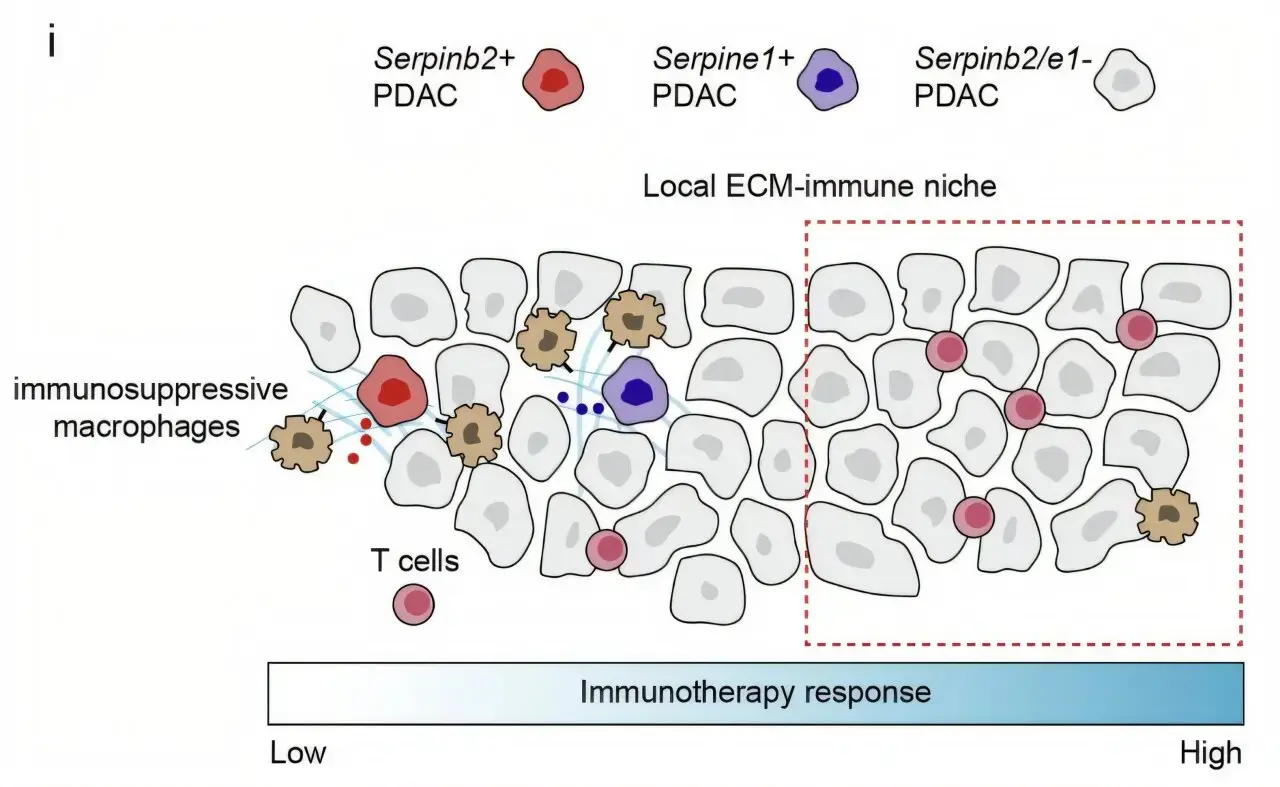 Pancreatic Cancer Hijacks Blood-Clotting System to Evade Immune Attack
 Survey Reveals Most Men Unaware Dairy May Increase Prostate Cancer Risk
The procedure uses rapidly resorbable gelatin-based microspheres to block abnormal blood vessels, which are believed to contribute to pain in osteoarthritis patients. By doing so, it aims to reduce pain and improve function.
Can Embolization Replace Traditional Treatments?
The study's findings indicate that this technique is safe and provides significant, lasting pain relief and functional improvement. Patients who underwent the procedure experienced reduced pain and improved mobility. The use of gelatin-based microspheres is a key factor, as they are absorbed by the body quickly.
The researchers' innovative approach targets the root cause of pain in osteoarthritis, offering new hope for patients. The embolization procedure is minimally invasive, reducing the risk of complications.
The study's results suggest that embolization could be a viable alternative to traditional treatments, such as medication or surgery. As the population ages, osteoarthritis is becoming increasingly prevalent, making the need for effective treatments more pressing.
Frequently Asked Questions
The success of this technique could lead to a shift in how osteoarthritis is managed, with embolization becoming a more widely accepted treatment option. As research continues, we can expect to see further developments in this area.
What is the embolization procedure like? The procedure involves injecting gelatin-based microspheres into abnormal blood vessels to block them. It is minimally invasive. How long does pain relief last? The study found that pain relief was significant and lasting. Is the technique suitable for all osteoarthritis patients? The study's findings suggest that it is safe, but further research is needed to determine its suitability for all patients.
Content written by Dr. Nathan Cole for wellness-bio-radar.com editorial team, AI-assisted.