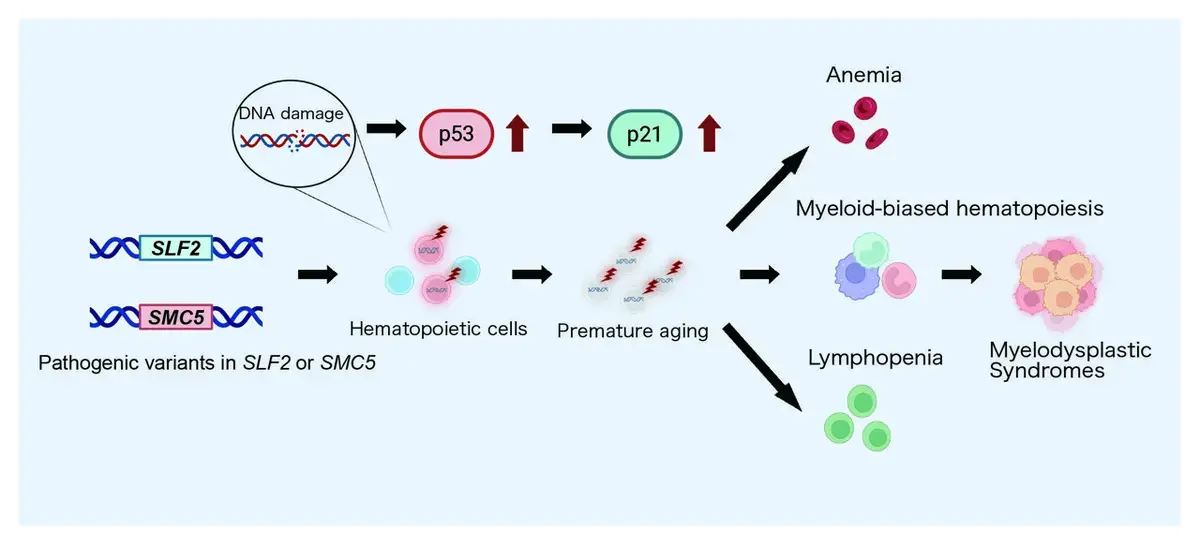
New Genetic Clues Found for Inherited Bone Marrow Failure
Unraveling the Genetic Puzzle
Scientists have uncovered new genetic mutations linked to severe inherited bone marrow failure syndromes (IBMFS). These findings could significantly improve diagnosis and treatment for patients. The research sheds light on the complex genetic origins of these life-threatening conditions.
Health news
 Sleep May Be the Heart's Nightly Repair Window, Study Suggests
 APOE Genotype Influences How Well Blood Tau Protein Predicts Cognitive Decline
 Pancreatic Cancer Hijacks Blood-Clotting System to Evade Immune Attack
 Survey Reveals Most Men Unaware Dairy May Increase Prostate Cancer Risk
IBMFS encompasses a group of rare genetic disorders. They prevent the bone marrow from producing enough healthy blood cells. This can lead to serious health problems, including anemia, infections, and bleeding. Patients often require lifelong medical care, such as blood transfusions or stem cell transplants.
How Will This Research Impact Patients?
The research team identified several previously unknown genetic mutations. These mutations disrupt critical pathways in bone marrow development. Understanding these specific genetic defects is crucial. It allows for more precise diagnostic testing.
Early and accurate diagnosis is vital for IBMFS patients. It helps doctors choose the most effective treatment strategies. The new genetic markers provide a clearer picture of disease progression. This could lead to personalized medicine approaches.
# What are inherited bone marrow failure syndromes?
This breakthrough offers new hope for individuals and families affected by IBMFS. It provides a deeper understanding of why these conditions occur. This knowledge is the first step towards developing targeted therapies.
# Why is identifying these genetic mutations important?
Future treatments might focus on correcting these specific genetic errors. This could potentially prevent the disease from progressing. It may also reduce the need for more invasive procedures. The research opens avenues for new drug development.
These are a group of genetic disorders. They cause the bone marrow to fail. This means the body cannot produce enough healthy blood cells.
# Will this research lead to a cure for IBMFS?
Identifying these mutations helps doctors diagnose IBMFS more accurately and earlier. This allows for better treatment planning. It also opens the door for developing new, targeted therapies.
While not an immediate cure, this research is a significant step forward. It provides the foundational knowledge needed to develop new treatments. These treatments could potentially correct the underlying genetic defects.
Content written by Claire Ashworth for wellness-bio-radar.com editorial team, AI-assisted.