New Pain Relief Found Without Opioid Reliance
Targeting Glycine for Pain Control
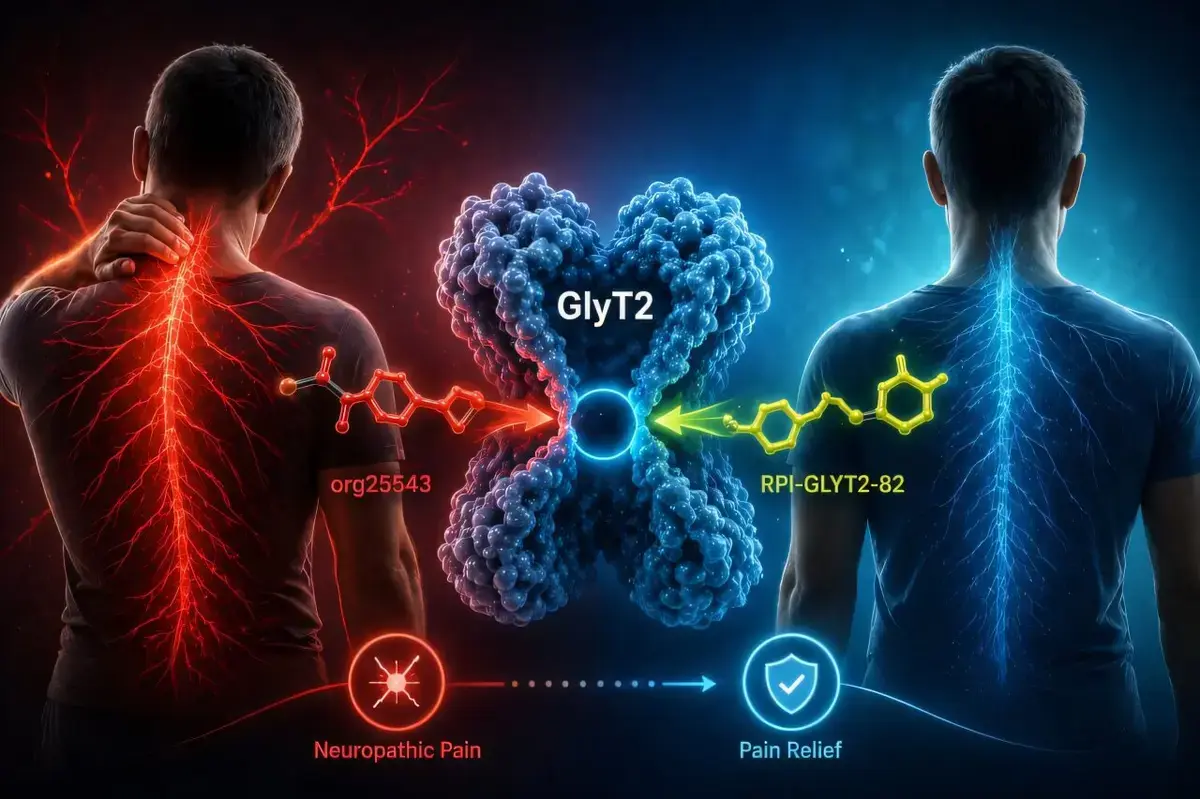
Researchers developed a new drug targeting glycine transporters. It offers relief from chronic neuropathic pain. The team is from Rensselaer Polytechnic Institute and the University of Sydney. This research offers hope for a better treatment option.
Health news
 Sleep May Be the Heart's Nightly Repair Window, Study Suggests
 APOE Genotype Influences How Well Blood Tau Protein Predicts Cognitive Decline
 Pancreatic Cancer Hijacks Blood-Clotting System to Evade Immune Attack
 Survey Reveals Most Men Unaware Dairy May Increase Prostate Cancer Risk
Chronic neuropathic pain affects millions worldwide. Current treatments often fall short, and many rely heavily on opioids. These drugs carry significant risks of addiction and side effects. Scientists sought a different approach to manage this debilitating condition. They focused on the glycine system in the spinal cord.
The new drug, a GlyT2 blocker, works by increasing glycine levels. Glycine is a crucial neurotransmitter. It plays a key role in regulating pain signals. Blocking the GlyT2 transporter prevents glycine from being reabsorbed. This boosts glycine concentration in the spinal fluid. Increased glycine then modulates nerve activity, reducing pain perception.
Could This Replace Current Therapies?
Preclinical trials showed promising results. The drug effectively alleviated neuropathic pain in animal models. Importantly, it did so without causing major side effects. Traditional pain medications often cause drowsiness or other debilitating issues. This new treatment appears to avoid those problems. Researchers observed no motor impairment or cognitive deficits.
The team’s approach differs significantly from existing pain management strategies. Most current drugs target opioid receptors. This new drug focuses on a different pathway. It aims to restore the body’s natural pain-modulating systems. This could potentially reduce the need for opioids. It also minimizes the risk of dependence and adverse reactions.
„We’re really excited about this because it’s a completely new mechanism,” said a researcher involved in the study. „We believe it has the potential to revolutionize the treatment of chronic neuropathic pain.” Further research is planned. The team intends to move towards human clinical trials. They hope to confirm these findings in people.
Frequently Asked Questions
This discovery offers a potential long-term solution. It could significantly improve the quality of life for those suffering from chronic neuropathic pain. The development represents a major step forward. It provides a viable alternative to opioid-based medications.
What is neuropathic pain? Neuropathic pain arises from damage to the nervous system. It often feels like burning, shooting, or stabbing pain. It differs from pain caused by tissue injury.
How does this drug differ from opioids? Opioids work by directly blocking pain signals in the brain. This new drug enhances the body’s natural pain control mechanisms. It doesn’t directly suppress pain signals, but modulates them.
Content written by Dr. Elena Voss for wellness-bio-radar.com editorial team, AI-assisted.