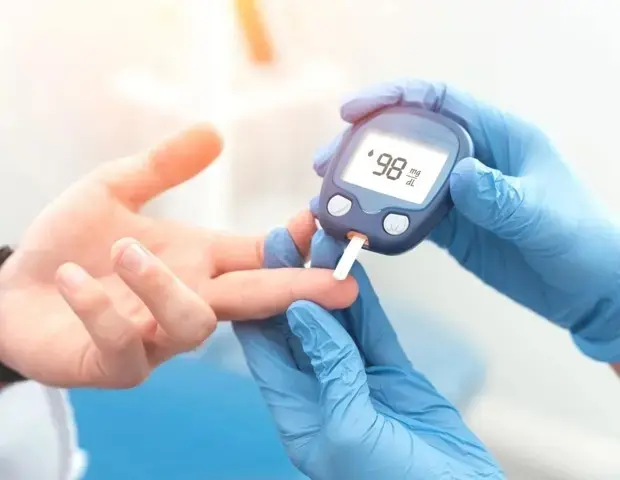
New Stretchable Bioelectronics for Health Monitoring
Stretching the Limits of Bioelectronics
Researchers at the California Institute of Technology have made significant advancements in wearable and implantable biosensors, potentially revolutionizing healthcare. Led by Professor Wei Gao, the team has been working on innovative bioelectronics since 2026.
Health news
 Sleep May Be the Heart's Nightly Repair Window, Study Suggests
 APOE Genotype Influences How Well Blood Tau Protein Predicts Cognitive Decline
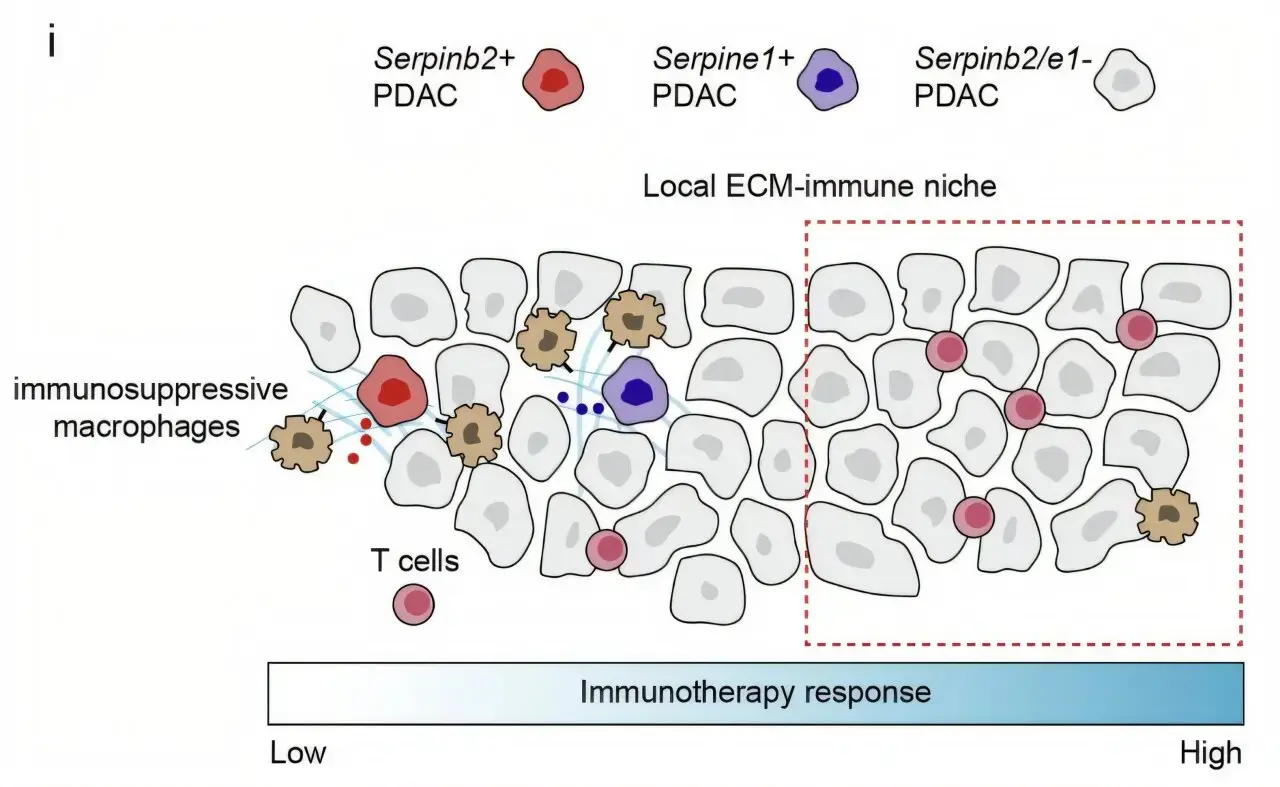 Pancreatic Cancer Hijacks Blood-Clotting System to Evade Immune Attack
 Survey Reveals Most Men Unaware Dairy May Increase Prostate Cancer Risk
Wearable and implantable biosensors can diagnose, monitor, and treat various health conditions, offering a promising solution for improved healthcare. Recent breakthroughs in Wei Gao's lab have brought this technology closer to reality.
The new stretchable bioelectronics can conform to the body's shape, allowing for more accurate and comfortable monitoring. This flexibility is crucial for implantable devices, which must adapt to the body's movements. By using advanced materials and designs, the researchers have achieved a significant improvement in device functionality.
Frequently Asked Questions
The team's innovations have enabled the creation of bioelectronics that can be integrated into wearable devices, such as smartwatches or fitness trackers, as well as implantable devices that can monitor vital signs. According to Wei Gao, this technology has the potential to „transform the way we monitor and manage health conditions.” Can Stretchable Bioelectronics Replace Traditional Monitoring Methods? As the technology advances, it is likely that stretchable bioelectronics will become a preferred method for health monitoring. The devices' ability to provide continuous, real-time data will enable healthcare professionals to make more informed decisions. With further development, these bioelectronics could lead to improved patient outcomes and more effective treatments.
The future of healthcare is likely to be shaped by advancements in wearable and implantable biosensors. As researchers continue to push the boundaries of this technology, we can expect to see significant improvements in health monitoring and treatment.
What are the benefits of stretchable bioelectronics? They offer more accurate and comfortable monitoring, enabling continuous, real-time data collection. How will these bioelectronics be used in healthcare? They will be integrated into wearable and implantable devices to monitor vital signs and diagnose health conditions. What is the expected outcome of this technology? Improved patient outcomes and more effective treatments are likely to result from the advancements in stretchable bioelectronics.
Content written by Dr. Nathan Cole for wellness-bio-radar.com editorial team, AI-assisted.