Oceania Genomes Reveal Human Evolution Secrets
Uncovering Hidden Genetic Diversity
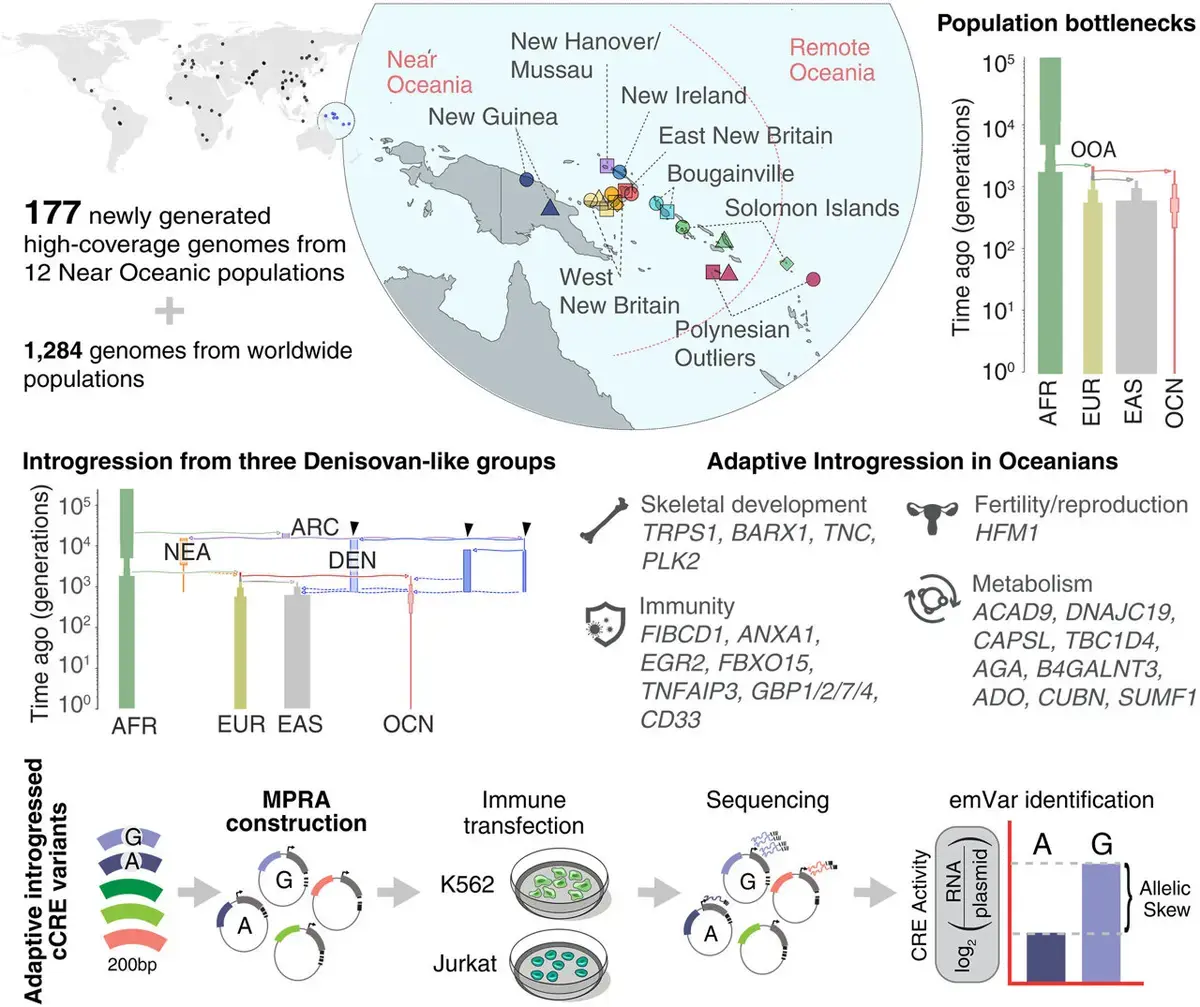
Researchers have conducted a comprehensive analysis of genetic variation in human populations in Oceania, a region long underrepresented in genomics research. The study, led by Yale, sheds new light on human evolution. Oceania encompasses a vast area in the South Pacific.
Health news
 Sleep May Be the Heart's Nightly Repair Window, Study Suggests
 APOE Genotype Influences How Well Blood Tau Protein Predicts Cognitive Decline
 Pancreatic Cancer Hijacks Blood-Clotting System to Evade Immune Attack
 Survey Reveals Most Men Unaware Dairy May Increase Prostate Cancer Risk
The region is home to remarkable diversity, with numerous populations that have been historically overlooked in global human genomics studies. By analyzing genomes from Oceania, scientists can gain a deeper understanding of human migration and adaptation. The study fills a significant gap in the field.
What Do Oceania Genomes Tell Us About Human History?
The researchers analyzed genetic data from various populations in Oceania, revealing a complex pattern of human migration and admixture. They found that the region's genetic diversity is shaped by multiple factors, including geography and historical events. „Our study provides a more nuanced understanding of human evolution in Oceania,”said the lead researcher.
The analysis showed that some populations in Oceania have retained genetic characteristics from ancient humans, providing valuable insights into the region's history. The study's findings have significant implications for our understanding of human evolution and migration patterns.
The study's results suggest that Oceania was settled by multiple waves of migration, with different populations interacting and admixing over time. This complex history has left a lasting legacy in the region's genetic diversity. By studying Oceania genomes, researchers can gain a better understanding of human history and the processes that shaped our species.
Frequently Asked Questions
The study's findings will have far-reaching consequences for the field of genomics and our understanding of human evolution. As researchers continue to analyze genetic data from underrepresented regions, they will uncover new insights into human history and the complex factors that have shaped our species.
What did the study discover about human migration in Oceania? The study found that Oceania was settled by multiple waves of migration, with different populations interacting and admixing over time. How did the researchers analyze the genetic data? The researchers used advanced genomics techniques to analyze genetic data from various populations in Oceania, revealing a complex pattern of human migration and admixture. What are the implications of the study's findings? The study's findings have significant implications for our understanding of human evolution and migration patterns, and will contribute to a more nuanced understanding of human history.
Content written by Dr. Nathan Cole for wellness-bio-radar.com editorial team, AI-assisted.