
Plastic Film Destroys Viruses on Contact
A Molecular Disassembly Line
Researchers developed a new plastic film. It actively destroys viruses upon touch. The innovation comes from RMIT University and could reshape everyday surfaces. This breakthrough occurred on April 22, 2026, offering a potential defense against disease.
Health news
 Voice Recording Predicts Age, Reveals New Biological Clock
 Popular Zero-Calorie Sweeteners May Pass Effects to Future Generations
 Movement Patterns Linked to Longevity
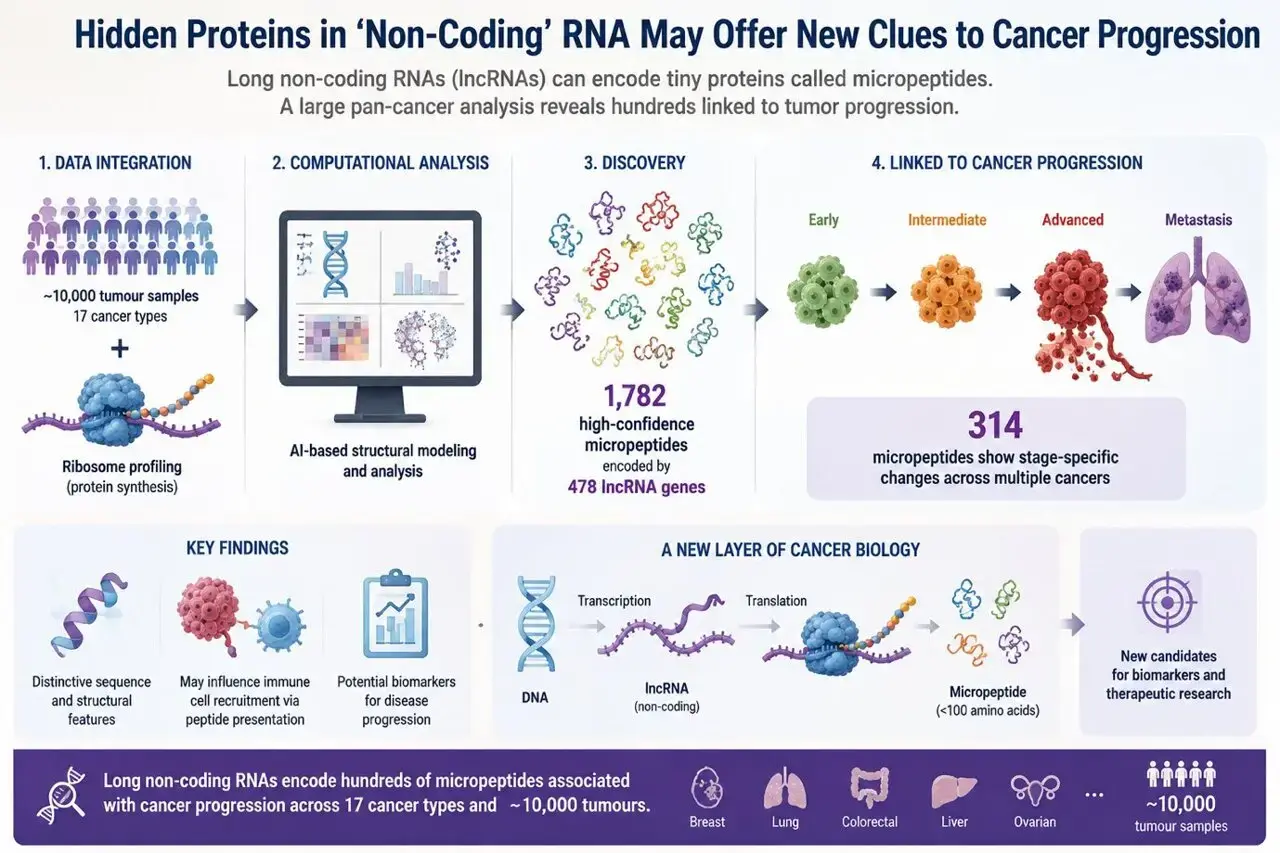 Hidden Proteins In Non-Coding RNA May Explain Cancer Spread
The ultra-thin material isn’t simply resistant to viruses. It physically dismantles them. Scientists engineered the plastic to disrupt viral structure immediately. This prevents infection by destroying the virus before it can replicate. Traditional surfaces simply allow viruses to linger, spreading potential illness.
The key lies in the plastic’s unique molecular structure. It contains specially designed polymers. These polymers attract and then break down the virus’s outer layers. This process happens incredibly fast, effectively neutralizing the threat. The film works against a broad spectrum of viruses, not just one specific type.
Could This Replace Disinfectants?
Researchers tested the material extensively. Results showed a significant reduction in viral load on surfaces. This suggests the film could be applied to high-touch areas. Think doorknobs, handrails, and even personal protective equipment. The technology offers a proactive, rather than reactive, approach to infection control.
Current disinfection methods rely on chemicals. These can be harsh and require regular application. This new plastic film offers a potentially longer-lasting solution. It’s embedded within the material itself, meaning it doesn’t wash away or lose effectiveness quickly. The team believes it could significantly reduce reliance on traditional cleaning protocols.
The film is also incredibly thin and flexible. This makes it suitable for a wide range of applications. It can be incorporated into existing manufacturing processes. This lowers the barrier to widespread adoption. The researchers are currently exploring partnerships to scale up production.
This technology could revolutionize public health. By transforming everyday surfaces into active defenders, it offers a powerful new tool. It could significantly reduce the spread of infectious diseases. Further research will focus on durability and long-term effectiveness. The future looks promising for a world with self-disinfecting surfaces.
Frequently Asked Questions
How does this plastic differ from antimicrobial surfaces? Antimicrobial surfaces typically prevent bacterial growth. This new plastic actively destroys viruses on contact. It physically breaks down the virus, unlike simply inhibiting its reproduction.
Is this plastic safe for human contact? Early testing indicates the plastic is safe. Researchers are conducting further studies to confirm long-term biocompatibility. The polymers used are commonly found in other materials.
How long will the virus-destroying effect last? The team is investigating the film’s lifespan. Current data suggests a sustained effect. However, factors like wear and tear will influence its longevity.
Content written by Claire Ashworth for wellness-bio-radar.com editorial team, AI-assisted.