
Scientists Create More Precise Alzheimer’s Risk Score Using Global DNA Data
Global DNA Integration Improves Predictive Power
A multinational research team announced a breakthrough genetic tool that predicts Alzheimer’s disease risk more accurately across ethnic groups. The study, published this month, combines DNA information from European, Asian, African and Hispanic populations, addressing the long‑standing bias of earlier tests that relied almost exclusively on European genomes.
Health news
 APOE Genotype Influences How Well Blood Tau Protein Predicts Cognitive Decline
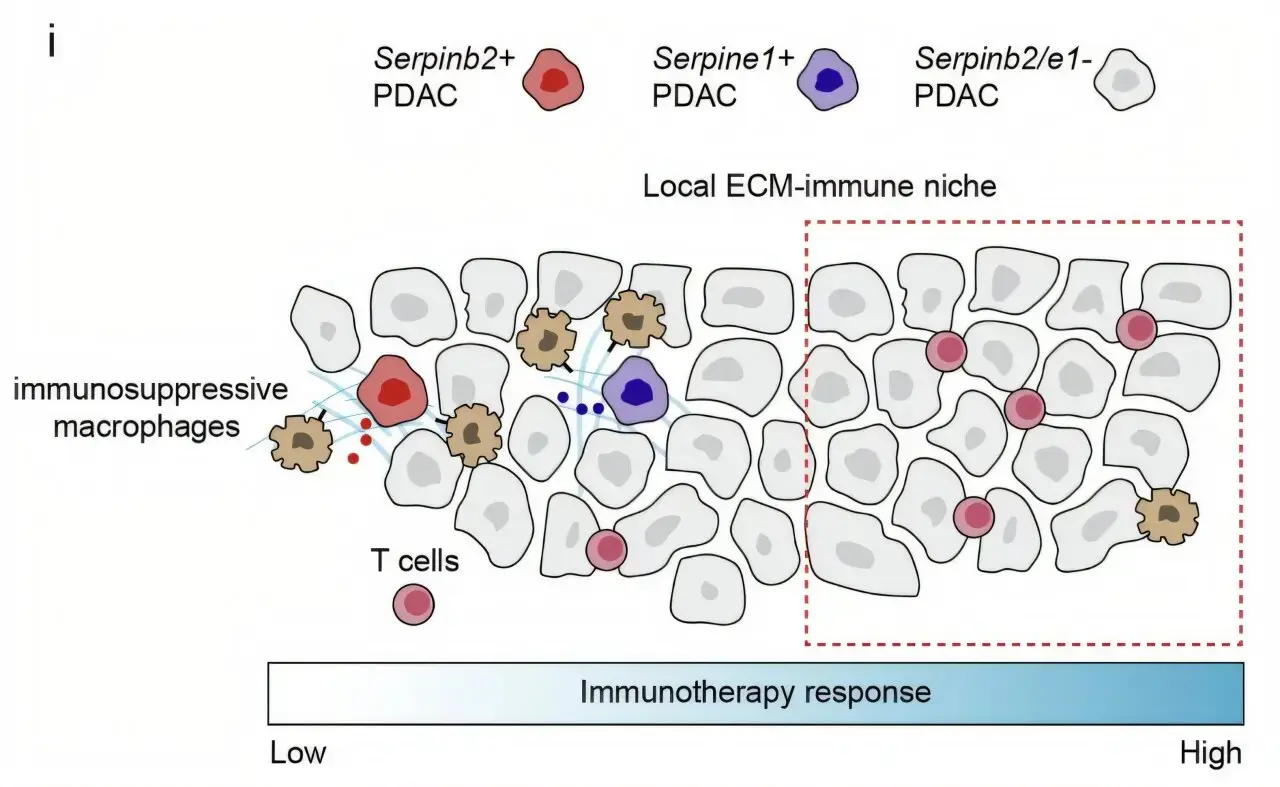 Pancreatic Cancer Hijacks Blood-Clotting System to Evade Immune Attack
 Survey Reveals Most Men Unaware Dairy May Increase Prostate Cancer Risk
 Therapeutic Gardening Shows Promise for Mental Health in Adults with Chronic Illnesses
The new polygenic risk score (PRS) was built from genome‑wide association data gathered from over 500,000 individuals worldwide. Researchers validated the model in separate cohorts, showing it could identify high‑risk individuals with up to 30 % greater accuracy than conventional scores. Importantly, the score also correlated with levels of amyloid‑beta and tau proteins, the hallmarks of Alzheimer’s pathology, in blood and cerebrospinal fluid samples.
By merging genetic variants from diverse ancestries, the team reduced the „missing heritability” that plagued earlier models. Dr. Lina Patel, lead geneticist on the project, explained, „When we test a European‑derived score on African‑American participants, it misses many risk alleles that are common in that group. Our inclusive approach captures those variants, making the score robust for everyone.” The researchers used advanced machine‑learning algorithms to weight each variant according to its effect size in each population, then combined the weights into a single composite score.
Can This New Score Transform Early Detection?
In validation trials, the inclusive PRS correctly classified 78 % of individuals who later developed Alzheimer’s, compared with 62 % for the traditional European‑centric score. Moreover, the score’s association with amyloid‑beta deposition was strongest in participants of mixed ancestry, suggesting it reflects underlying disease biology rather than population‑specific artifacts.
The findings raise hopes that clinicians could soon screen at‑risk patients earlier, regardless of ethnic background. „Early identification opens the door to preventive interventions, lifestyle changes, and enrollment in clinical trials before irreversible damage occurs,” said Dr. Miguel Alvarez, a neurologist not involved in the study. However, he cautioned that genetic risk is only one piece of the puzzle; environmental factors and comorbidities remain critical.
The researchers stress that the tool is not a diagnostic test but a risk stratification aid. They plan to integrate the score into existing electronic health records and to test its utility in prospective community studies. If successful, the approach could serve as a template for other complex diseases where genetic risk prediction suffers from ancestry bias.
Frequently Asked Questions
How does this new risk score differ from older ones? It incorporates genetic variants from multiple global populations, weighting them according to each group’s specific effect, which boosts accuracy for non‑European individuals.
Will the score be available to doctors soon? The team aims to pilot the tool in clinical settings within the next two years, pending regulatory review and further validation.
Does a higher score guarantee Alzheimer’s development? No. The score indicates elevated risk, but many factors—including lifestyle, diet, and other health conditions—also influence disease onset.
Content written by Claire Ashworth for wellness-bio-radar.com editorial team, AI-assisted.