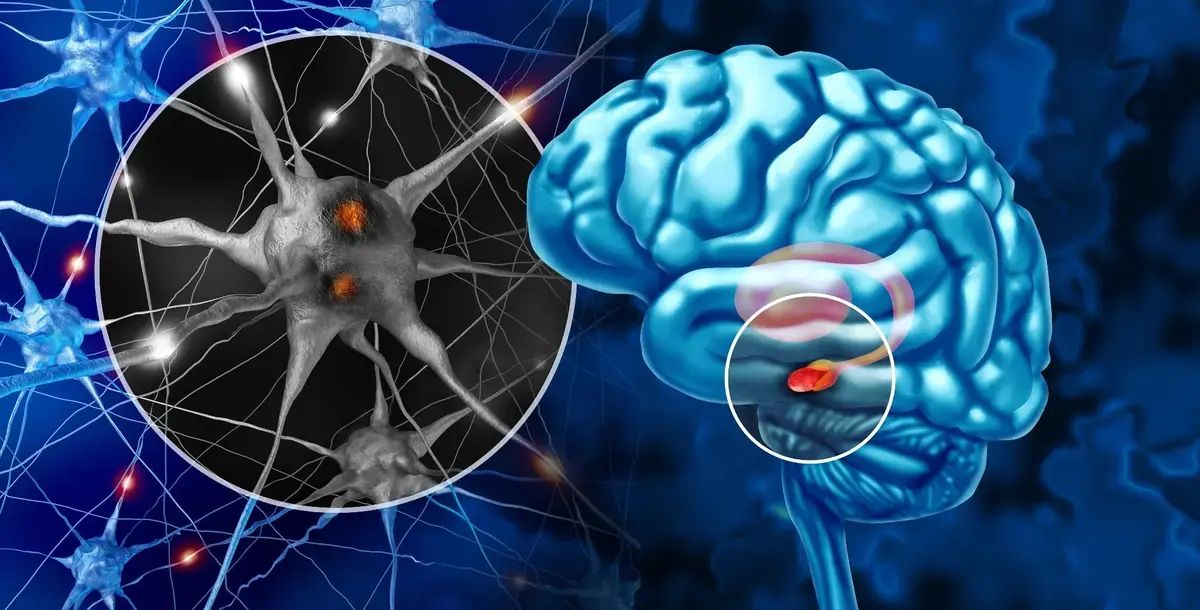
Sleep Patterns May Predict Parkinson's Disease Risk
Sleep Duration and Quality: Early Warning Signs?
A large study in China has found a link between sleep patterns and the risk of developing Parkinson's disease. The research, which used data from over 30,000 participants, suggests that people with short sleep duration and poor sleep quality may be at higher risk of developing the disease.
Health news
 Sleep May Be the Heart's Nightly Repair Window, Study Suggests
 APOE Genotype Influences How Well Blood Tau Protein Predicts Cognitive Decline
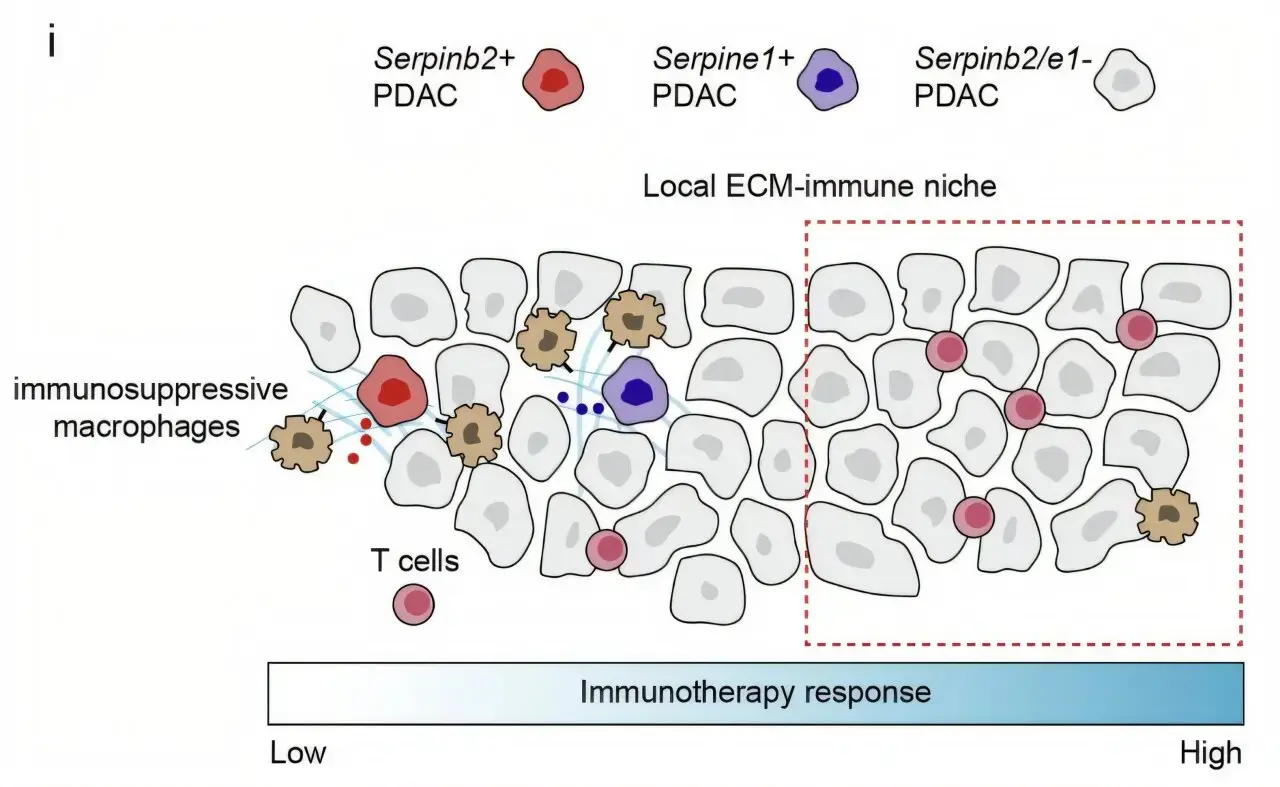 Pancreatic Cancer Hijacks Blood-Clotting System to Evade Immune Attack
 Survey Reveals Most Men Unaware Dairy May Increase Prostate Cancer Risk
The study, which was conducted between 2011 and 2020, used data from the China Health and Retirement Longitudinal Study (CHARLS) cohort. Researchers analyzed sleep patterns and health outcomes for participants over a period of nine years. They found that participants with short sleep duration and poor sleep quality were more likely to develop Parkinson's disease.
Can Sleep Patterns Be Used to Predict Parkinson's Disease?
Short sleep duration and poor sleep quality were associated with a higher risk of Parkinson's disease. Participants who slept for less than 7 hours per night and those who reported poor sleep quality were more likely to develop the disease. This suggests that sleep patterns could be an early warning sign for Parkinson's disease.
Frequently Asked Questions
The study's findings raise questions about the potential for sleep patterns to be used as a predictor for Parkinson's disease. If sleep patterns can be used to identify people at higher risk, it could lead to earlier diagnosis and treatment. However, more research is needed to confirm these findings and to determine how sleep patterns can be used to predict the disease.
The consequences of this research are significant. If sleep patterns can be used to predict Parkinson's disease, it could lead to earlier diagnosis and treatment, which could improve outcomes for patients. Additionally, it could also lead to a better understanding of the causes of Parkinson's disease and the development of new treatments.
Content written by Dr. Nathan Cole for wellness-bio-radar.com editorial team, AI-assisted.