Students Lagg Behind Seniors in Physical Activity, Study Shows
Why Are Students Less Active?
A recent study from Singapore’s National University of Medicine found that university students are less physically active and spend more time sitting than adults in their seventies. Researchers measured activity levels across three age groups, revealing a surprising trend in daily movement habits.
Health news
 Whey Protein Hydrolysate Rich in Tryptophan Peptides Reduces Anxiety and Improves Sleep
 Sleep May Be the Heart's Nightly Repair Window, Study Suggests
 APOE Genotype Influences How Well Blood Tau Protein Predicts Cognitive Decline
 Pancreatic Cancer Hijacks Blood-Clotting System to Evade Immune Attack
The research was carried out at the Centre for Sleep and Cognition in the Yong Loo Lin School of Medicine. Participants included university students, working adults, and older adults aged 70 to 79. Data were collected over several weeks using wearable devices that tracked steps, heart rate, and periods of inactivity.
Can Older Adults Teach Students a Lesson?
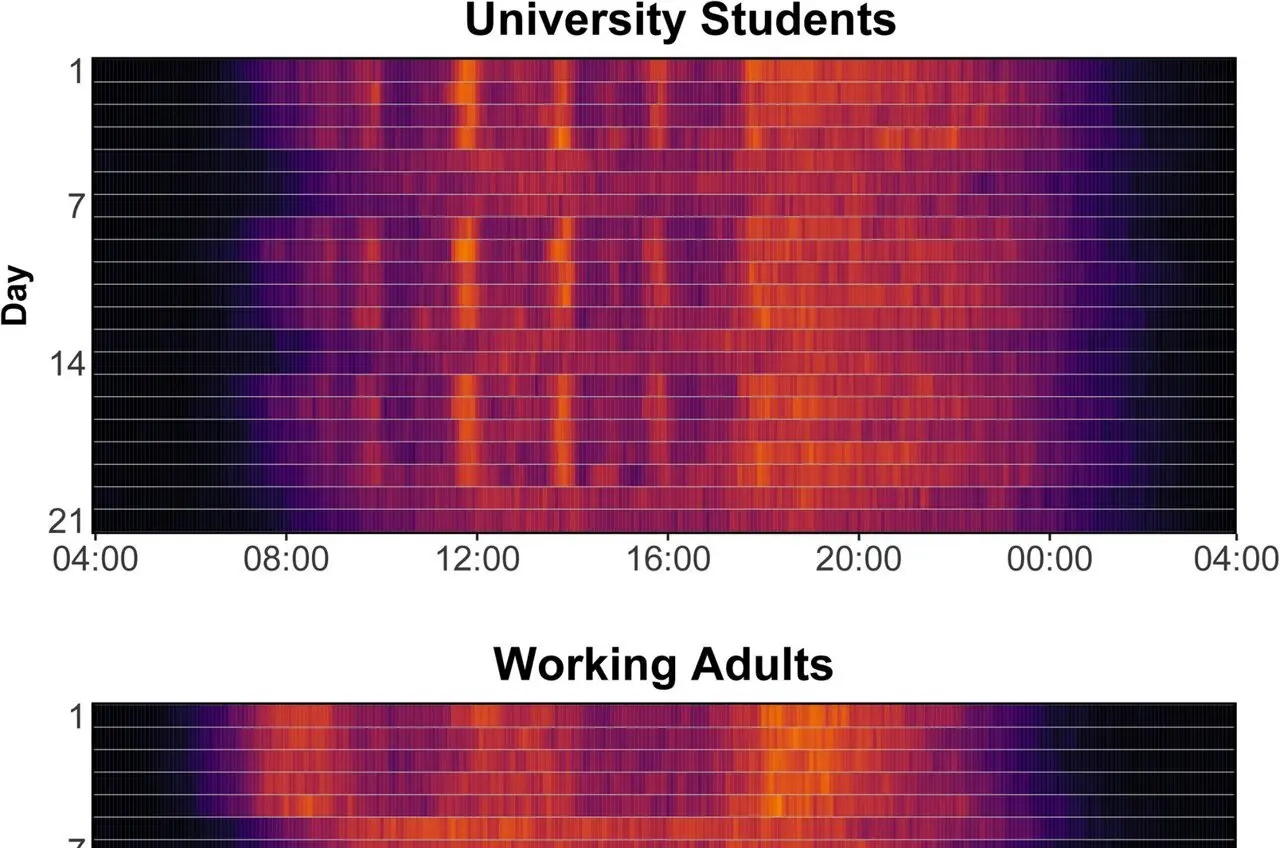
Students often report a hectic schedule filled with classes, assignments, and social commitments. The study suggests that academic demands push them toward sedentary behavior. Heatmaps of activity probability show that students spend most of their day in low‑intensity settings, such as lecture halls and dorm rooms. In contrast, older adults tend to incorporate short walks and light chores into their routines. The difference may also stem from generational attitudes toward exercise; seniors often view movement as a natural part of daily life, while students see it as an added task.
How can younger people learn from their older peers? The researchers recommend integrating short activity breaks into the academic day. Simple interventions—such as standing desks, walking meetings, or campus-wide step challenges—could reduce sedentary time. Older adults already practice these habits, so their routines offer a template. Encouraging intergenerational programs might also motivate students to adopt more movement.
Consequences and Outlook
The study highlights that prolonged sitting can increase health risks, including heart disease and metabolic disorders. Students, who are already at a critical developmental stage, may face higher long‑term health costs if they remain inactive. Older adults, meanwhile, show better cardiovascular resilience, possibly due to their regular, moderate activity.
If current trends continue, the gap in physical activity could widen, leading to higher rates of chronic disease among younger populations. Universities might consider revising campus design to promote walking and standing. Health educators could incorporate movement education into curricula. The findings underscore the importance of early lifestyle habits for lifelong well‑being.
Q1: What is the main finding of the study? A1: University students are less physically active and more sedentary than adults in their seventies, according to wearable‑device data collected in Singapore.
Frequently Asked Questions
Q2: Why might students be more sedentary? A2: Academic workload, limited free time, and a culture that prioritizes study over exercise contribute to higher sitting time among students.
Q3: How can students improve their activity levels? A3: Incorporating short movement breaks, using standing desks, and engaging in campus walking groups can help reduce sedentary behavior and boost overall health.
Content written by Dr. Elena Voss for wellness-bio-radar.com editorial team, AI-assisted.