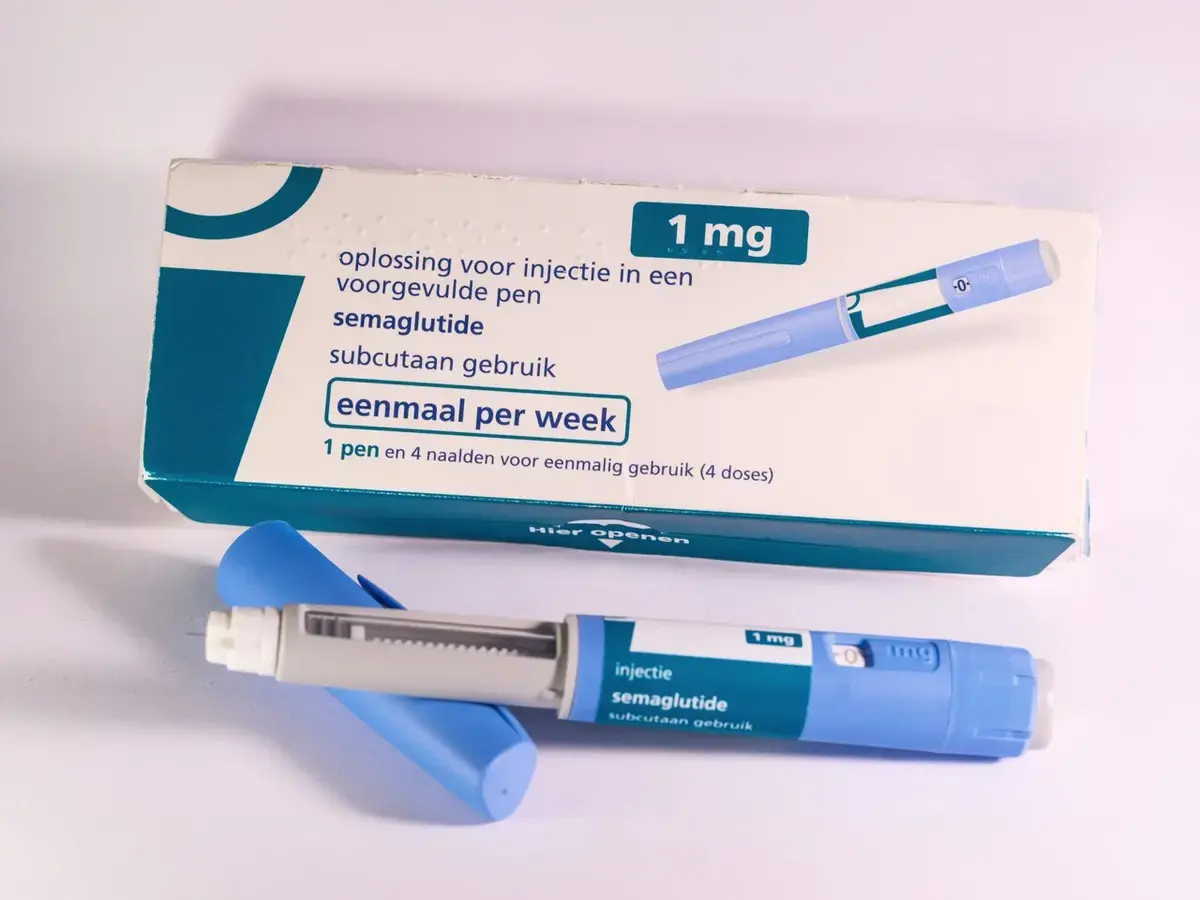
Study Links GLP-1 Medication to Reduced Breast Cancer Rates in Women
How Does GLP-1 Influence Cancer Risk?
A comprehensive study involving over 110,000 women aged 45 to 80 has revealed a potential connection between GLP-1 medication use and a decrease in breast cancer incidence. Conducted by researchers at the Perelman School of Medicine, this retrospective analysis provides new insights into the effects of these drugs on women's health.
Health news
 Sleep May Be the Heart's Nightly Repair Window, Study Suggests
 APOE Genotype Influences How Well Blood Tau Protein Predicts Cognitive Decline
 Pancreatic Cancer Hijacks Blood-Clotting System to Evade Immune Attack
 Survey Reveals Most Men Unaware Dairy May Increase Prostate Cancer Risk
GLP-1 medications are primarily used for managing type 2 diabetes and obesity. This study aimed to explore their broader implications, particularly regarding cancer risk. Researchers found that women taking GLP-1 agonists had a notably lower incidence of breast cancer compared to those not using these medications. The findings suggest that these drugs might offer protective benefits beyond their primary use.
GLP-1, or glucagon-like peptide-1, plays a crucial role in regulating insulin secretion and appetite. Researchers hypothesize that the drug's mechanisms may also impact cancer development. The study analyzed health records and cancer diagnoses, highlighting a significant reduction in breast cancer cases among GLP-1 users. This correlation raises questions about the biological pathways involved and whether these medications could be repurposed for cancer prevention.
Could GLP-1 Medications Become a Standard in Cancer Prevention?
Dr. Robert Egan, who reviewed the study, emphasized the importance of further research. „While these findings are promising, more extensive studies are needed to understand the underlying mechanisms,”he stated. The researchers noted that the data was robust, but they cautioned against drawing definitive conclusions without additional evidence.
As the medical community continues to seek effective strategies for breast cancer prevention, the implications of this study are significant. If further research confirms the findings, GLP-1 medications could be considered for broader use in at-risk populations. However, experts urge caution, as the long-term effects and safety of such an approach remain unknown.
The study's outcomes could lead to a shift in how healthcare providers approach breast cancer risk management. With breast cancer being one of the most common cancers among women, any potential preventative measures are of great interest.
Frequently Asked Questions
What are GLP-1 medications used for? GLP-1 medications are primarily prescribed for managing type 2 diabetes and aiding weight loss. They help regulate blood sugar levels and appetite.
How does this study impact breast cancer prevention strategies? The study suggests a potential link between GLP-1 use and reduced breast cancer rates, indicating a need for further research to explore this connection.
Are there any risks associated with GLP-1 medications? Like all medications, GLP-1 drugs can have side effects. Patients should discuss potential risks and benefits with their healthcare provider before starting treatment.
Content written by Dr. Nathan Cole for wellness-bio-radar.com editorial team, AI-assisted.