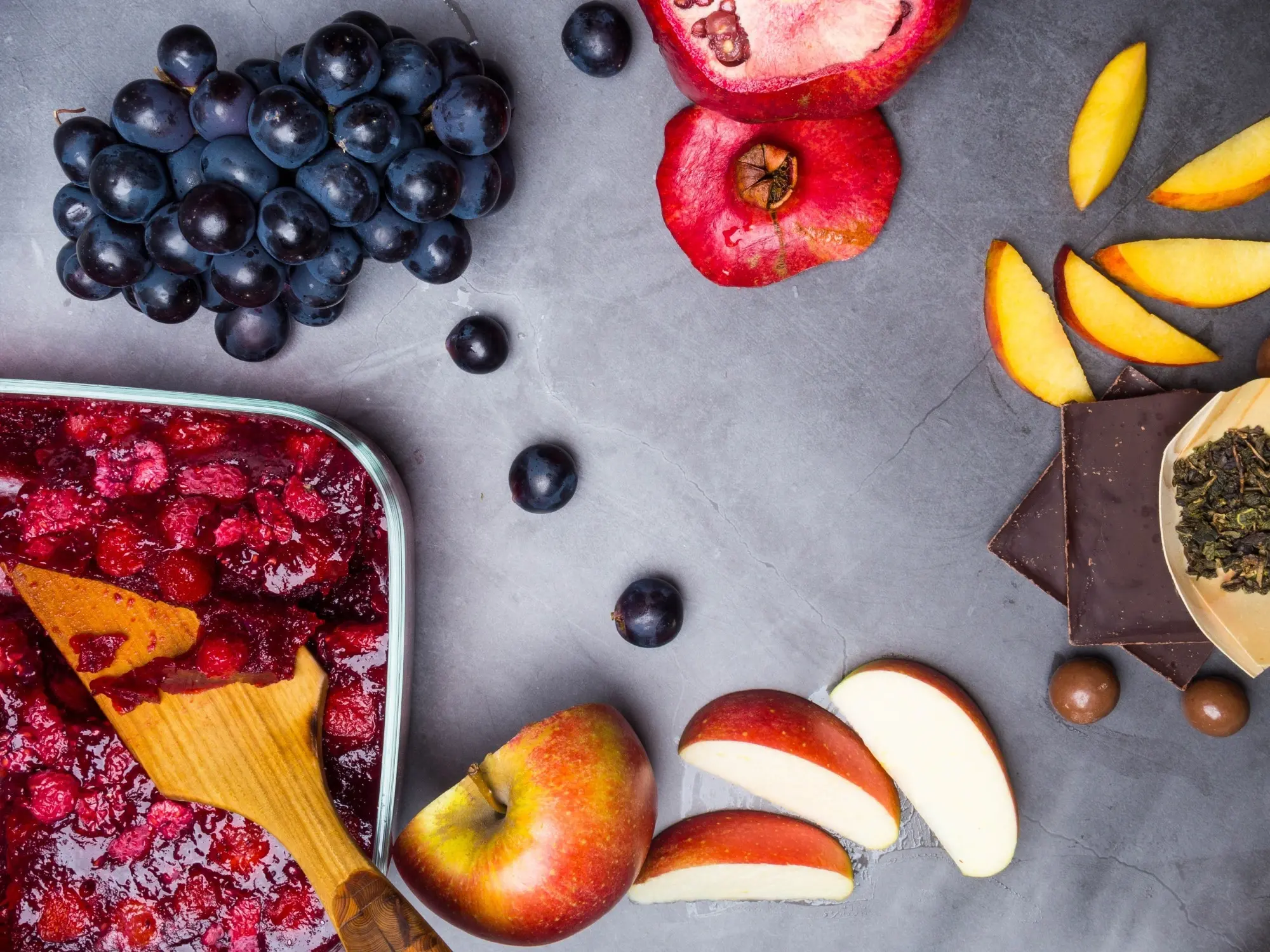
Tea, Berries and Dark Chocolate Linked to Lower Parkinson’s Risk in Large UK Study
How Flavonoids Might Protect the Brain
A new analysis of over 123,000 UK adults suggests that regularly consuming flavonoid-rich foods like tea, berries, and dark chocolate may be associated with a reduced risk of developing Parkinson’s disease. The findings come from a prospective study using data from the UK Biobank, tracking participants’ diets and health outcomes over time. Researchers examined dietary patterns and their connection to hospital-recorded cases of Parkinson’s, adjusting for various lifestyle and demographic factors.
Health news
 Sleep May Be the Heart's Nightly Repair Window, Study Suggests
 APOE Genotype Influences How Well Blood Tau Protein Predicts Cognitive Decline
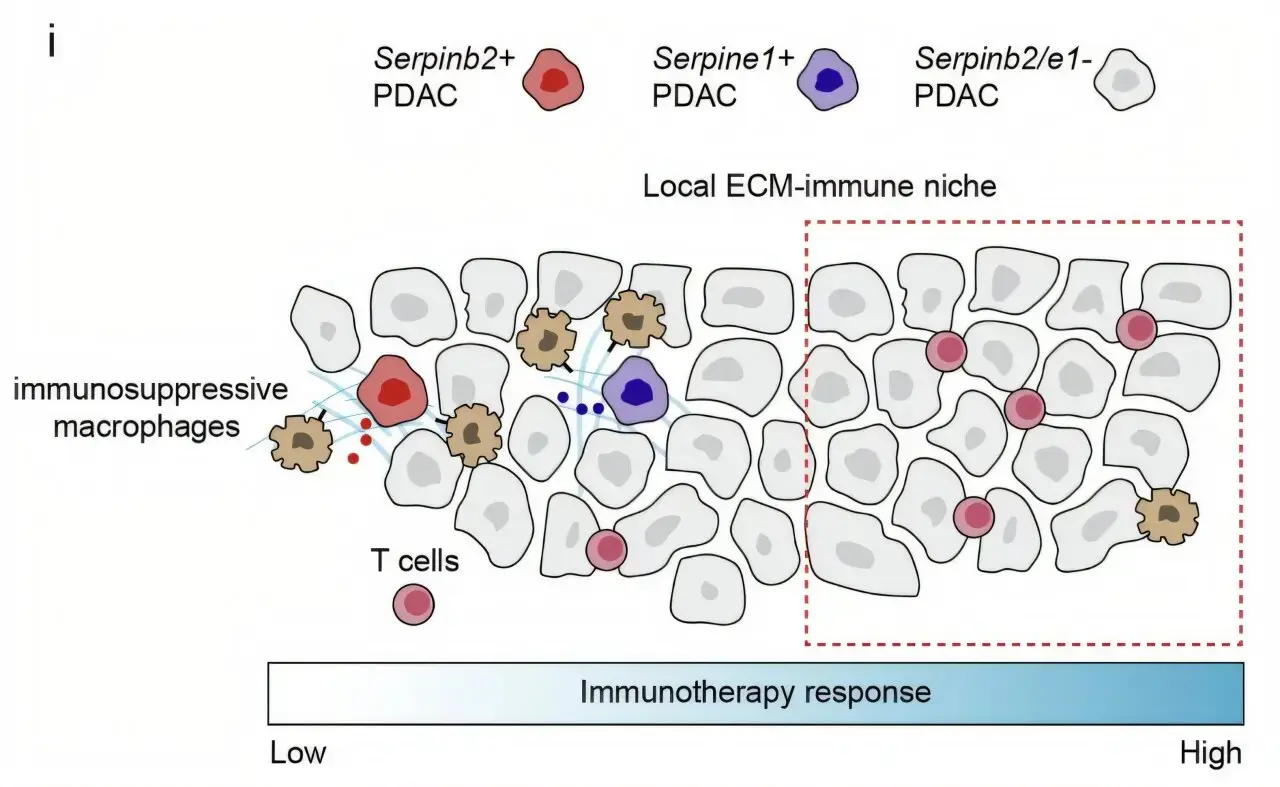 Pancreatic Cancer Hijacks Blood-Clotting System to Evade Immune Attack
 Survey Reveals Most Men Unaware Dairy May Increase Prostate Cancer Risk
The study identified a specific dietary pattern high in flavonoids—natural compounds found in plant-based foods—that correlated with lower incidence of Parkinson’s. Participants whose diets included more tea, berries, apples, red wine, and dark chocolate showed a measurable decrease in risk compared to those with lower intake. Scientists note that flavonoids have antioxidant and anti-inflammatory properties, which may protect brain cells involved in movement control. While the study does not prove causation, it strengthens evidence that diet could play a role in neurological health.
Can Diet Alone Prevent Parkinson’s Disease?
Researchers propose that flavonoids may help reduce oxidative stress and inflammation in the brain, both of which are implicated in the degeneration of dopamine-producing neurons seen in Parkinson’s. These compounds could also support mitochondrial function and modulate gut-brain signaling, areas increasingly studied in neurodegenerative diseases. The UK Biobank’s large scale allowed researchers to analyze long-term dietary habits with greater confidence, though they caution that self-reported food data has limitations. Further lab and clinical studies are needed to confirm the biological mechanisms behind the observed association.
Experts emphasize that while diet is a modifiable factor, Parkinson’s arises from a complex mix of genetic, environmental, and age-related influences. No single food or nutrient is likely to prevent the condition outright, but a flavonoid-rich diet may contribute to overall brain resilience as part of a broader healthy lifestyle. The study’s authors suggest that future prevention strategies could include dietary guidance alongside other interventions. They also note that the protective effect observed was modest, underscoring the need for realistic expectations about diet’s role.
What foods were most strongly linked to lower Parkinson’s risk in the study? Tea, berries, apples, red wine, and dark chocolate were key components of the flavonoid-rich dietary pattern associated with reduced risk in the UK Biobank analysis.
Frequently Asked Questions
Does this mean eating chocolate or drinking tea can prevent Parkinson’s? No, the study shows an association, not proof of prevention. Diet is one of many factors influencing risk, and these foods should be part of a balanced diet, not relied upon as a safeguard.
How reliable are the findings given the study’s design? As a large prospective study, it provides strong observational evidence, but limitations include reliance on self-reported diet data and the inability to fully control for all confounding variables. Results support further investigation but do not establish cause and effect.
Content written by Dr. Nathan Cole for wellness-bio-radar.com editorial team, AI-assisted.