
THC Shows Promise in Easing PTSD Nightmares
Significant Relief for Sufferers
A recent study indicates that a specific form of THC can significantly lessen trauma-induced nightmares in individuals with post-traumatic stress disorder (PTSD). Over 170 patients participated in the research. The findings suggest a new therapeutic avenue for a debilitating symptom of PTSD.
Health news
 Sleep May Be the Heart's Nightly Repair Window, Study Suggests
 APOE Genotype Influences How Well Blood Tau Protein Predicts Cognitive Decline
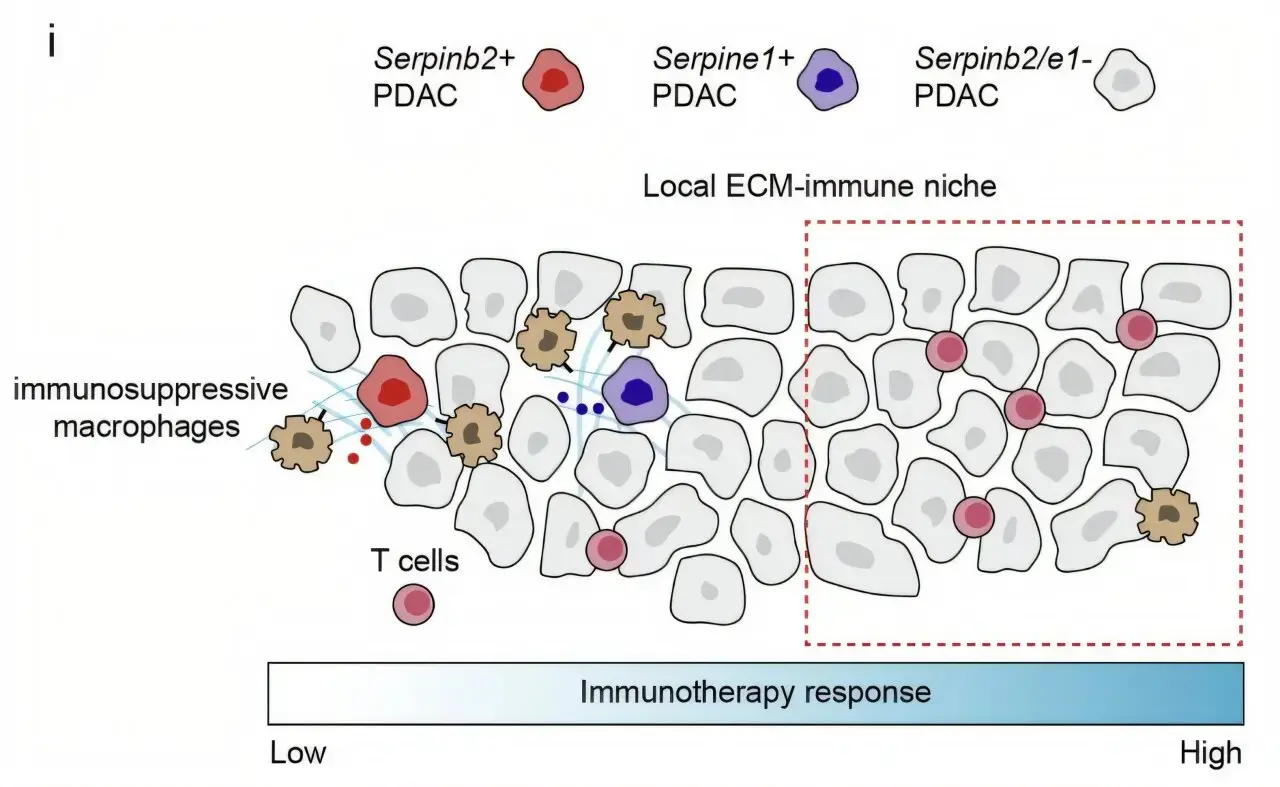 Pancreatic Cancer Hijacks Blood-Clotting System to Evade Immune Attack
 Survey Reveals Most Men Unaware Dairy May Increase Prostate Cancer Risk
The study focused on dronabinol, a synthetic version of THC, the main psychoactive compound in cannabis. Participants received evening doses of this medication. Researchers compared their experiences to a group receiving a placebo.
The results showed a clear benefit for those taking dronabinol. They reported a statistically significant decrease in the frequency and intensity of their nightmares. This reduction in nightmare burdenoffers hope for improved sleep and overall well-being.
How Does THC Affect Sleep and Trauma?
Trauma-related nightmares are a hallmark symptom of PTSD. They can severely disrupt sleep, leading to fatigue, anxiety, and a worsened quality of life. Current treatments often have limited effectiveness for this specific symptom.
The exact mechanism by which THC reduces nightmares is still being investigated. It is believed that cannabinoids can influence sleep architecture and emotional processing in the brain. This might help to regulate the vivid and distressing dream content common in PTSD.
This research highlights the potential of cannabinoid-based therapies. It could lead to new treatment protocols for a condition that affects millions worldwide. Further studies are likely to explore optimal dosing and long-term effects.
Frequently Asked Questions
What is dronabinol? Dronabinol is a synthetic form of delta-9-tetrahydrocannabinol (THC). It is the primary psychoactive component found in the cannabis plant. It is already approved for other medical uses.
How many patients were involved in the study? More than 170 patients diagnosed with PTSD participated in the clinical trial. They were divided into groups receiving either dronabinol or a placebo.
What was the main finding of the study? The study found that patients taking dronabinol experienced a statistically significant reduction in their trauma-related nightmares. This suggests it could be an effective treatment for this specific PTSD symptom.
Content written by Dr. Elena Voss for wellness-bio-radar.com editorial team, AI-assisted.