
Where You Live Could Shape Your Dementia Risk
Dementia Risk Factors Vary Across the Globe
A massive global study has uncovered significant differences in dementia risk factors across various countries, suggesting that preventing dementia may require tailored strategies in different regions. The research, conducted by the University of Southern California, analyzed data from over 214,000 people from around the world.
Health news
 Sleep May Be the Heart's Nightly Repair Window, Study Suggests
 APOE Genotype Influences How Well Blood Tau Protein Predicts Cognitive Decline
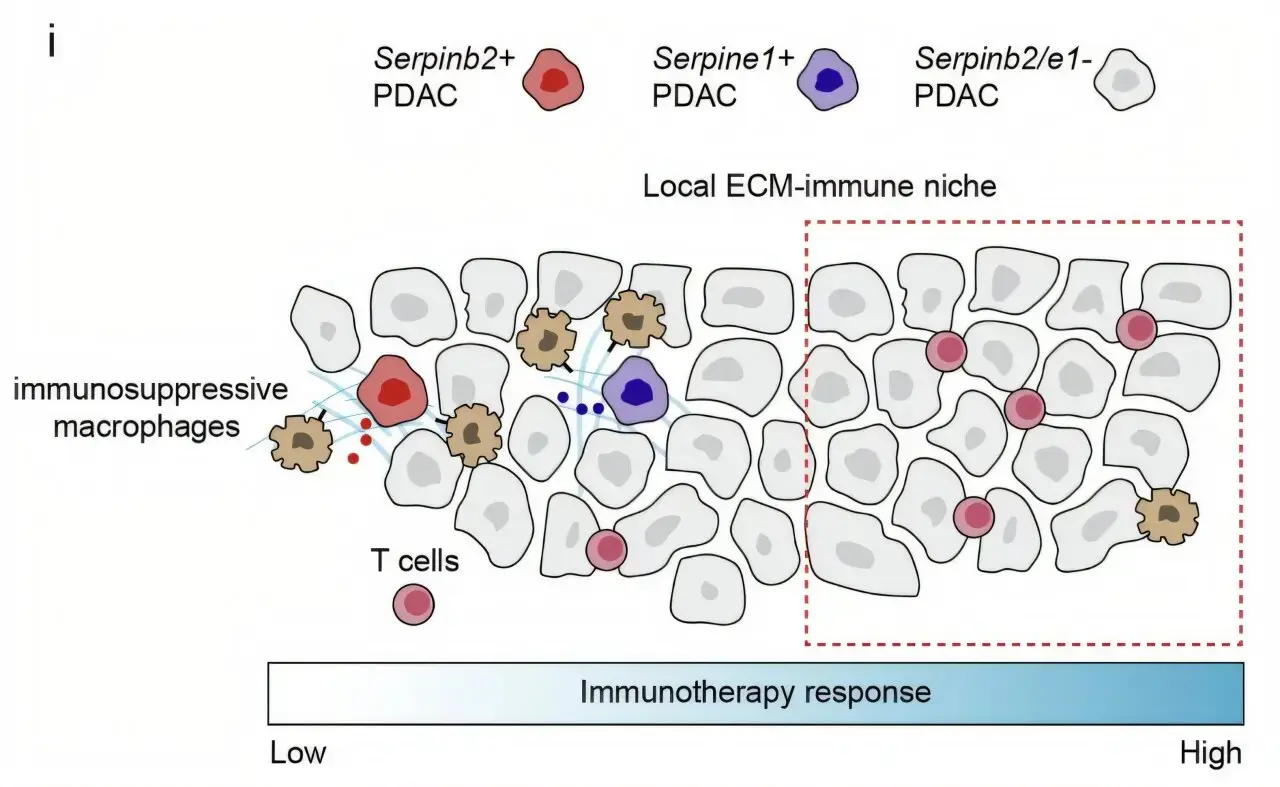 Pancreatic Cancer Hijacks Blood-Clotting System to Evade Immune Attack
 Survey Reveals Most Men Unaware Dairy May Increase Prostate Cancer Risk
The study found that dementia risk factors vary greatly depending on where individuals live, with some countries experiencing higher rates of the disease due to factors such as air pollution, socioeconomic status, and access to healthcare. The researchers discovered that people living in areas with poor air quality are at a higher risk of developing dementia, while those in countries with lower socioeconomic status tend to have a higher risk of cognitive decline.
The study's findings highlight the importance of considering geographical and socioeconomic factors when developing dementia prevention strategies. „Our research suggests that a one-size-fits-all approach to preventing dementia may not be effective,”said a researcher from the University of Southern California. „Instead, we need to focus on addressing the specific risk factors that are prevalent in different regions.”The study also found that people living in urban areas tend to have a higher risk of dementia than those living in rural areas, possibly due to factors such as increased air pollution and reduced access to green spaces. In contrast, countries with strong social support networks and access to healthcare tend to have lower rates of dementia.
While the study's findings are concerning, they also offer hope for reducing dementia risk through targeted interventions. By addressing the specific risk factors that are prevalent in different regions, individuals and communities can take steps to reduce their risk of developing dementia. For example, people living in areas with poor air quality can take steps to reduce their exposure to pollutants, such as by using air purifiers or moving to a cleaner area.
Can We Change Our Dementia Risk?
Consequences and Outlook
The study's findings have significant implications for dementia prevention and treatment. By developing targeted strategies that address the specific risk factors that are prevalent in different regions, we can reduce the risk of dementia and improve the lives of millions of people worldwide. As the global population ages, it is more important than ever that we take proactive steps to prevent dementia and ensure that individuals and communities have the support and resources they need to thrive.
Frequently Asked Questions
Content written by Claire Ashworth for wellness-bio-radar.com editorial team, AI-assisted.