
Can Summer Sun Alone Provide Enough Vitamin D? The Answer Is Complex
Understanding Your Skin's Vitamin D Production
Summer often draws people outdoors for extended periods. Many believe this exposure guarantees sufficient vitamin D. However, medical experts now say this is not always true. Several factors influence how much vitamin D our bodies produce from sunlight.
Health news
 Sleep May Be the Heart's Nightly Repair Window, Study Suggests
 APOE Genotype Influences How Well Blood Tau Protein Predicts Cognitive Decline
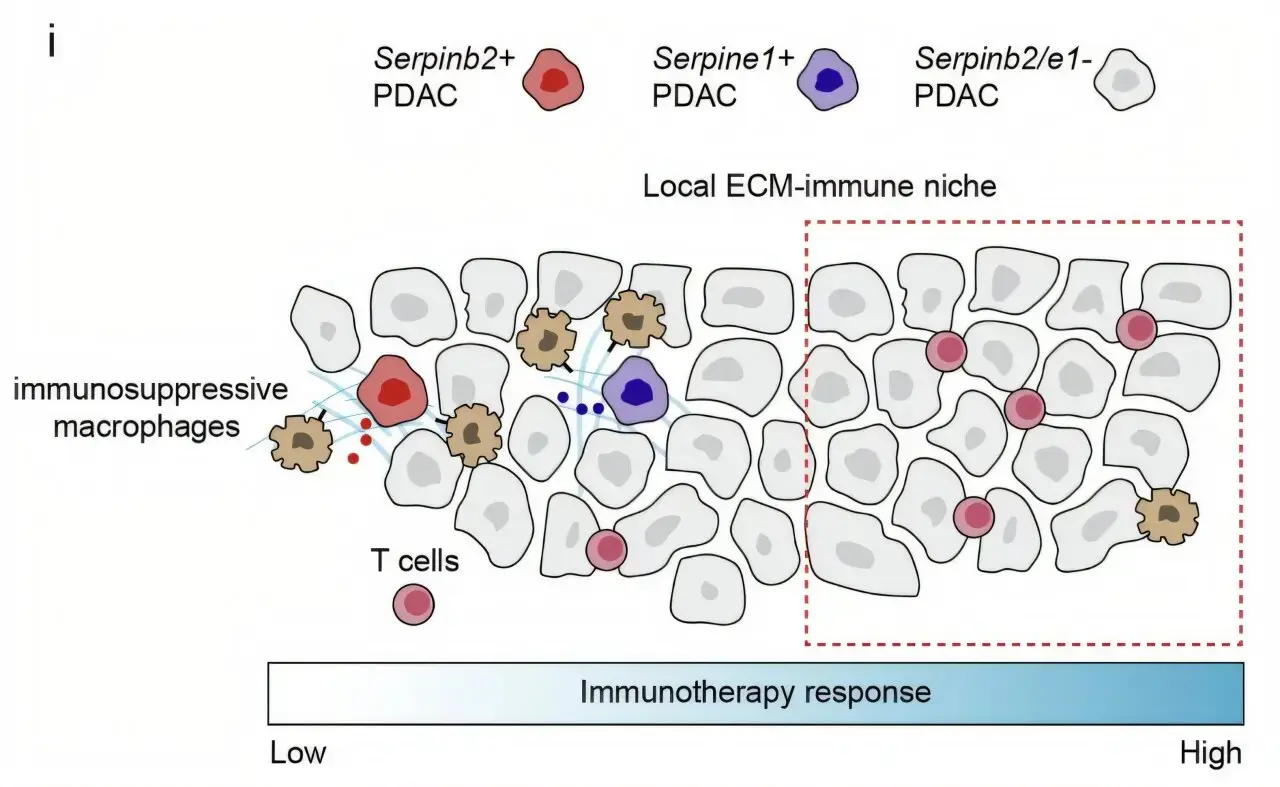 Pancreatic Cancer Hijacks Blood-Clotting System to Evade Immune Attack
 Survey Reveals Most Men Unaware Dairy May Increase Prostate Cancer Risk
The amount of vitamin D synthesized depends on more than just time spent outside. Skin type plays a significant role. Individuals with darker skin tones naturally produce less vitamin D from the same amount of sun exposure compared to those with lighter skin.
Melanin, the pigment responsible for skin color, acts as a natural sunscreen. While beneficial for preventing sunburn, it also reduces UV-B absorption. UV-B rays are essential for vitamin D synthesis. Therefore, people with more melanin need longer sun exposure to make the same amount of vitamin D.
Is Sunscreen Blocking My Vitamin D?
Geographic location is another critical factor. The angle of the sun's rays changes with latitude. Regions closer to the equator receive more direct UV-B radiation. Those living further north or south may struggle to produce enough vitamin D, even in summer. Time of day also matters; midday sun offers the most effective UV-B.
Yes, sunscreen can reduce vitamin D production. Sunscreen is crucial for preventing skin damage and cancer. However, it works by blocking UV-B rays. An SPF of 15 can decrease vitamin D synthesis by up to 99%. This creates a dilemma between skin protection and vitamin D intake.
Cloud cover, pollution, and even clothing can also limit UV-B exposure. Many people spend significant time indoors, even during summer. This further reduces their opportunity for natural vitamin D production. Relying solely on summer sunlight for vitamin D may lead to deficiencies for many.
Frequently Asked Questions
What is the best time for sun exposure to get vitamin D? The most effective time is usually between 10 AM and 3 PM. This is when UV-B rays are strongest. Short periods of exposure, without burning, are recommended.
How much sun exposure is generally needed? For light-skinned individuals, 10-15 minutes of direct sun exposure a few times a week may be enough. Darker skin tones may require significantly more time. This should be done without sunscreen, but carefully to avoid sunburn.
Can I get too much vitamin D from the sun? No, the body has a natural regulatory mechanism. It stops producing vitamin D once sufficient levels are reached. However, excessive sun exposure can cause skin damage and increase cancer risk.
Content written by Dr. Nathan Cole for wellness-bio-radar.com editorial team, AI-assisted.