
Could Creatine Help Depression?
Energy Boost for the Brain
A new review suggests creatine may help treat depression. It was published on June 30 in a medical journal. The review looks at five clinical trials. It finds that creatine has potential.
Health news
 Sleep May Be the Heart's Nightly Repair Window, Study Suggests
 APOE Genotype Influences How Well Blood Tau Protein Predicts Cognitive Decline
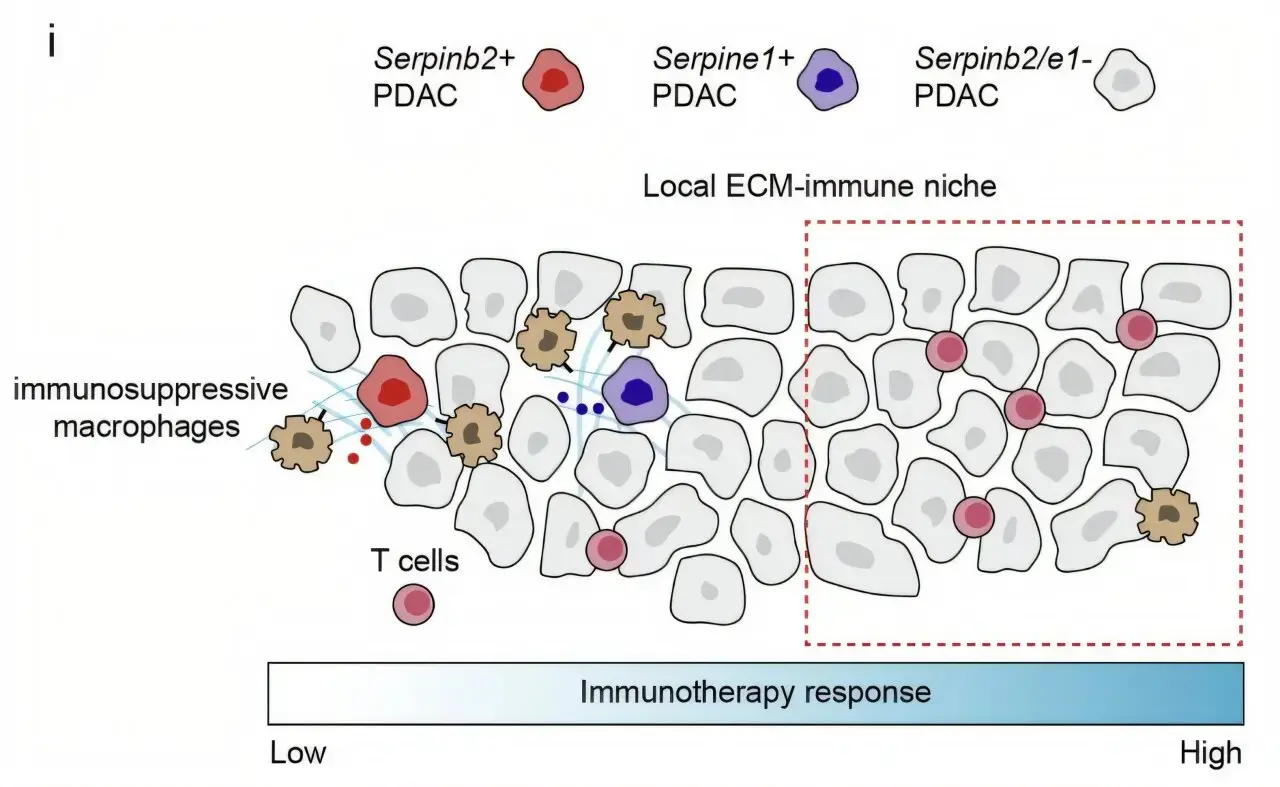 Pancreatic Cancer Hijacks Blood-Clotting System to Evade Immune Attack
 Survey Reveals Most Men Unaware Dairy May Increase Prostate Cancer Risk
Creatine helps cells produce energy. It is made naturally by the body. Many people take it as a supplement to build muscle. Now, researchers are studying its effects on depression. They want to know if it can help treat the condition.
Can Creatine Replace Traditional Treatments?
This energy is needed for many bodily functions. It may also help the brain work better. Researchers think this could help reduce depression symptoms.
The five clinical trials showed some positive results. They found that creatine can help improve mood. It may also help reduce fatigue and anxiety. However, the evidence is not yet conclusive. More research is needed to confirm the findings.
Researchers are cautious about the results. They say that creatine should not replace traditional treatments. It may be used as a supplement to other therapies. But it is not a replacement for established treatments.
Frequently Asked Questions
The review's findings have important consequences. They suggest that creatine may be a new tool in treating depression. It could help people who do not respond to traditional treatments. However, more research is needed to confirm its effectiveness.
What is creatine? Creatine is a substance that helps cells produce energy. It is made naturally by the body and can also be taken as a supplement. Is creatine safe? Creatine is generally considered safe when taken in recommended doses. However, it can cause some side effects, such as stomach cramps and diarrhea. Can creatine cure depression? No, creatine is not a cure for depression. It may help reduce symptoms, but it should be used under medical supervision.
Content written by Dr. Nathan Cole for wellness-bio-radar.com editorial team, AI-assisted.