Creatine Boosts Muscle and Brain Health in Sedentary Middle-Aged Adults
Results showed consistent increases in muscle-related outcomes alongside
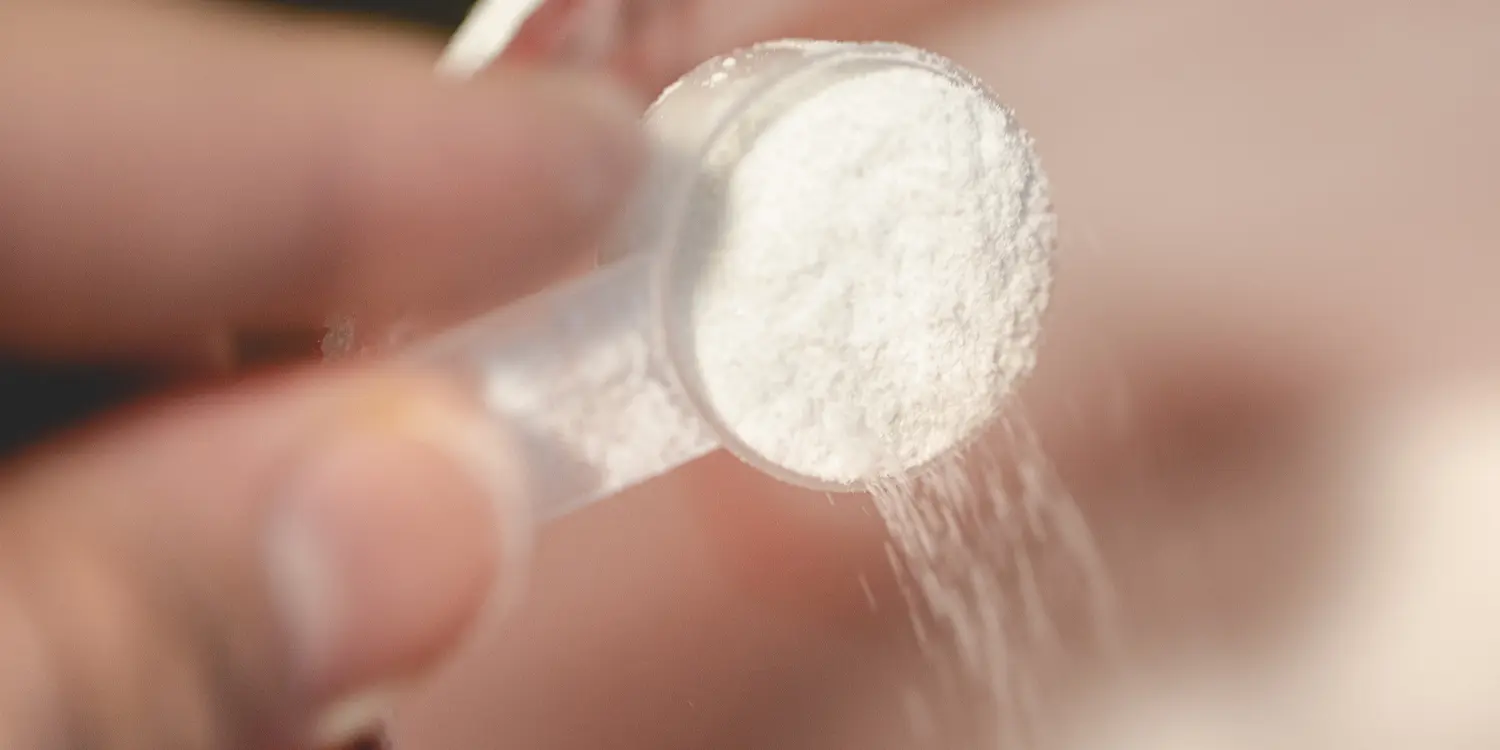
A recent study found that adults aged 45 to 65 who took creatine monohydrate daily for 12 weeks experienced gains in lean muscle mass, strength, and endurance despite leading sedentary lifestyles. The research, conducted with healthy but inactive participants, also observed improvements in cognitive function and memory markers. These benefits occurred without any structured exercise regimen, highlighting creatine’s potential as a standalone supplement for aging populations. The study focused on individuals not engaged in regular physical activity, a group often overlooked in fitness research. Participants received standard doses of creatine monohydrate, a compound naturally found in muscle tissue and commonly used by athletes. Over the three-month period, researchers measured changes in body composition, physical performance, and neurological indicators.
Health news
 APOE Genotype Influences How Well Blood Tau Protein Predicts Cognitive Decline
 Pancreatic Cancer Hijacks Blood-Clotting System to Evade Immune Attack
 Survey Reveals Most Men Unaware Dairy May Increase Prostate Cancer Risk
 Therapeutic Gardening Shows Promise for Mental Health in Adults with Chronic Illnesses
Results showed consistent increases in muscle-related outcomes alongside positive shifts in brain health metrics, suggesting dual benefits from supplementation. How Creatine Works Without Exercise Creatine supports cellular energy production by helping regenerate ATP, the primary energy currency in cells. In muscle tissue, this allows for improved performance during short bursts of activity and better recovery. In the brain, adequate energy supply is crucial for maintaining neuronal function, particularly in regions involved in memory and processing speed. The study suggests that even at rest, elevated creatine levels may enhance efficiency in both systems, compensating for age-related declines in natural synthesis. Can Supplements Replace Physical Activity for Older Adults? While the findings are promising, researchers emphasize that creatine is not a substitute for exercise. Physical activity offers irreplaceable cardiovascular, metabolic, and mobility benefits that supplements alone cannot replicate.
However, for those unable to engage in regular training due to health
However, for those unable to engage in regular training due to health limitations, creatine may serve as a supportive tool to mitigate some effects of aging. Experts suggest it could be particularly useful during periods of forced inactivity, such as recovery from illness or injury. The outcomes open new avenues for addressing sarcopenia and cognitive decline in aging populations. Future research may explore optimal dosing, long-term safety, and combinations with light physical activity. For now, the data supports considering creatine as part of a broader strategy to maintain vitality in midlife and beyond. Frequently Asked Questions What dosage of creatine was used in the study? Participants took a standard daily dose of creatine monohydrate, consistent with common supplementation protocols, though the exact amount was not specified in the source material. How long did the supplementation period last?
The study lasted 12 weeks, during which participants consumed creatine daily without changes to their sedentary lifestyle. Did participants need to change their diet or routine? No, the study design required participants to maintain their usual habits, including diet and activity levels, to isolate the effects of creatine alone.
Content written by Dr. Nathan Cole for wellness-bio-radar.com editorial team, AI-assisted.