
Vitamin B12 Levels Linked to Higher Fracture Risk After Age 50
Why Both Extremes of Vitamin B12 Matter
A recent multicenter study revealed that both low and high levels of vitamin B12 are associated with an increased risk of fractures in adults over 50. Researchers followed thousands of participants across several hospitals, matching them by age, sex, and health status to isolate the effect of vitamin B12 on bone health.
Health news
 First Human Treatments Using Epigenetic Reprogramming Reported
 The Hidden Dangers Lurking Within Popular Shilajit Supplements
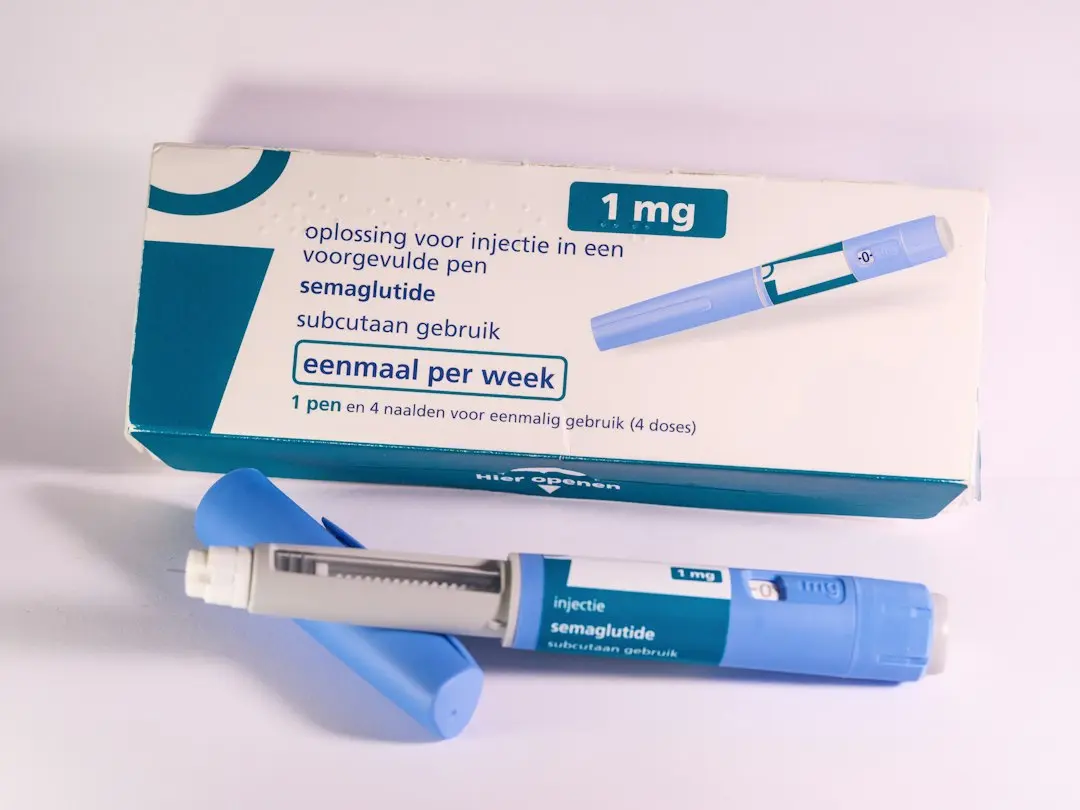 Global Health Body Rejects Weight Loss Medications for Young Children
 Early Detection of Alzheimer’s: Blood Test Meets Digital App
The investigation, which spanned more than a decade, measured participants’ blood B12 concentrations and tracked fracture incidents. Findings showed that individuals with markedly deficient or excessively elevated B12 had a higher incidence of fractures compared to those with normal levels. The researchers suggest that the relationship between B12 and bone integrity is more nuanced than previously thought, possibly involving complex metabolic pathways or interactions with other nutrients.
The study’s authors emphasized that vitamin B12 is essential for bone remodeling and nerve function. However, when levels fall below a critical threshold, bone turnover may accelerate, weakening skeletal structure. Conversely, unusually high B12 levels could indicate underlying liver dysfunction or other metabolic disorders that indirectly compromise bone density. The data indicated that participants with B12 concentrations below 200 pg/mL or above 900 pg/mL had a 30% higher fracture rate than those within the normal range.
Can Routine Screening Reduce Fracture Risk?
Health professionals are now questioning whether regular B12 testing should become part of osteoporosis prevention protocols. „If we can identify and correct abnormal B12 levels early, we might lower fracture risk,” one investigator noted. The study recommends that clinicians consider B12 status when evaluating patients for bone health, especially those with a history of fractures or risk factors such as long-term medication use.
The long-term implications of these findings are significant. As populations age, understanding the interplay between micronutrients and bone health could lead to more personalized prevention strategies. Future research will need to explore whether supplementing B12 in deficient patients or managing excess levels can effectively reduce fracture incidence.
Frequently Asked Questions
What constitutes a normal vitamin B12 level? Normal levels typically range between 200 and 900 pg/mL, though exact thresholds may vary by laboratory.
Should I get my B12 checked if I’m over 50? If you have risk factors for osteoporosis or have experienced fractures, a B12 test can help identify potential issues.
Can taking B12 supplements lower my fracture risk? Supplementation may help if you are deficient, but high levels can also be harmful. It’s best to follow a doctor’s guidance based on your blood results.
Content written by Dr. Elena Voss for wellness-bio-radar.com editorial team, AI-assisted.