
Vitamin C Shows Promise in Cancer Fight, But Not as First Imagined
Intravenous Delivery: A Game Changer
A new understanding of vitamin C's role in cancer treatment is emerging. Scientists are revisiting its potential, moving past earlier skepticism. This fresh perspective suggests that the vitamin could indeed be a valuable tool in oncology.
Health news
 APOE Genotype Influences How Well Blood Tau Protein Predicts Cognitive Decline
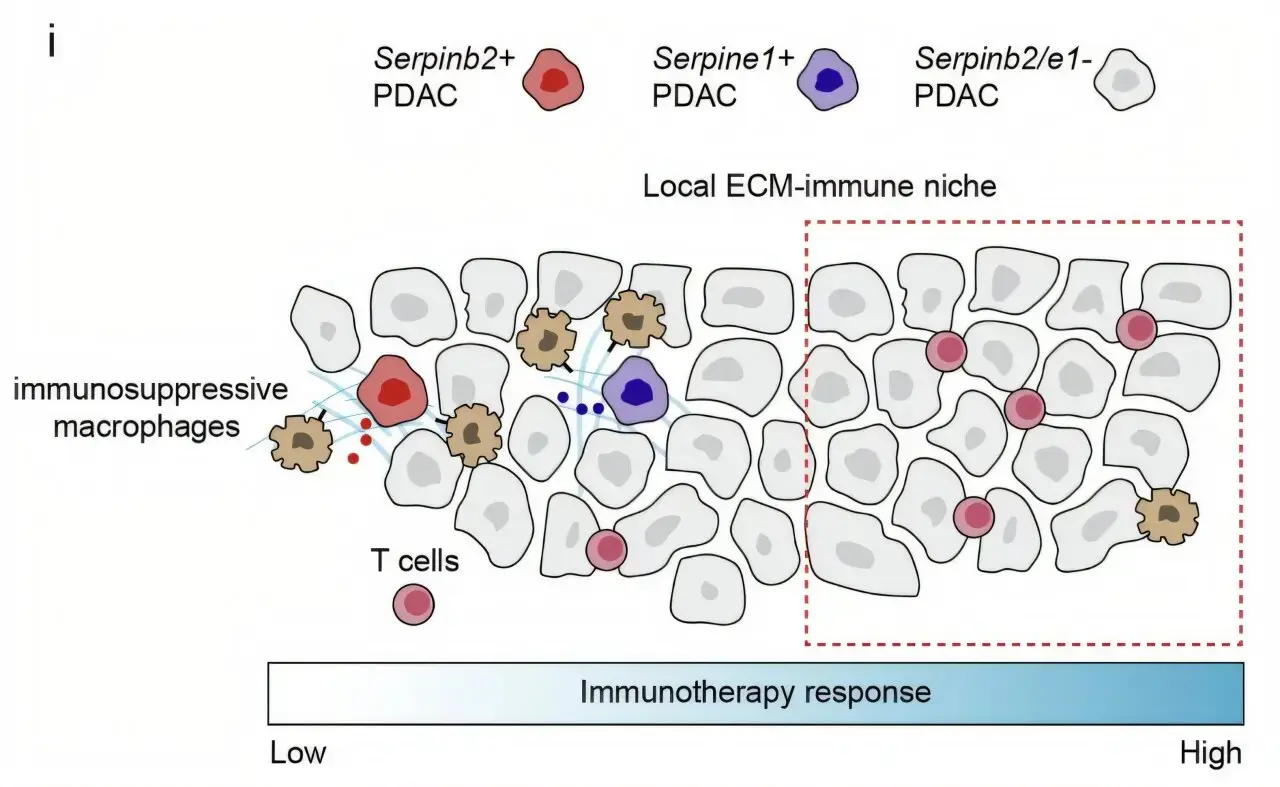 Pancreatic Cancer Hijacks Blood-Clotting System to Evade Immune Attack
 Survey Reveals Most Men Unaware Dairy May Increase Prostate Cancer Risk
 Therapeutic Gardening Shows Promise for Mental Health in Adults with Chronic Illnesses
For decades, the idea that vitamin C could combat cancer was largely dismissed. This was mainly due to failed studies involving oral vitamin C supplements. These trials did not show any significant benefit for cancer patients.
The key difference lies in how vitamin C is administered. Researchers now understand that intravenous (IV) delivery is crucial. When given directly into the bloodstream, vitamin C reaches much higher concentrations in the body. This level cannot be achieved by simply taking pills. These high concentrations are vital for its anti-cancer effects.
How Does High-Dose Vitamin C Target Tumors?
Early proponents like Linus Pauling faced ridicule for their claims. His theories were based on oral supplementation, which proved ineffective. Modern research, however, validates his intuition about vitamin C's potential, albeit through a different delivery method. The scientific community is now exploring how these high IV doses interact with cancer cells.
High concentrations of vitamin C act as a pro-drug for hydrogen peroxide. This means it converts into hydrogen peroxide within the body. Cancer cells are particularly vulnerable to hydrogen peroxide. This substance can damage their DNA and cellular machinery, leading to their death. Healthy cells, however, are generally unharmed. They possess enzymes that neutralize hydrogen peroxide effectively.
Frequently Asked Questions
This selective toxicity is what makes intravenous vitamin C so promising. It offers a potential treatment that specifically targets cancerous growths. Further studies are underway to fully understand these mechanisms. Scientists are also investigating how it might combine with existing therapies.
What was the main reason for past skepticism about vitamin C and cancer? Past skepticism stemmed from clinical trials using oral vitamin C supplements. These trials failed to show any significant anti-cancer benefits, leading many to dismiss the idea.
How does intravenous vitamin C differ from oral supplements in cancer treatment? Intravenous vitamin C delivers much higher concentrations of the vitamin directly into the bloodstream. These levels are necessary to produce hydrogen peroxide, which selectively targets and damages cancer cells, a feat oral supplements cannot achieve.
Content written by Marcus Reid for wellness-bio-radar.com editorial team, AI-assisted.