
Hemp‑Infused Denim Enhances Durability and Comfort
Strengthening the Fabric: How Hemp Reinforces Denim
A recent study has shown that incorporating hemp fibers into denim blends can significantly improve the garment’s performance. Researchers tested various hemp‑cotton ratios, finding that even a modest hemp content boosts strength, breathability, and moisture management. The experiments were conducted in a controlled lab setting, with samples subjected to repeated wear and washing cycles.
Health news
 Voice Recording Predicts Age, Reveals New Biological Clock
 Popular Zero-Calorie Sweeteners May Pass Effects to Future Generations
 Movement Patterns Linked to Longevity
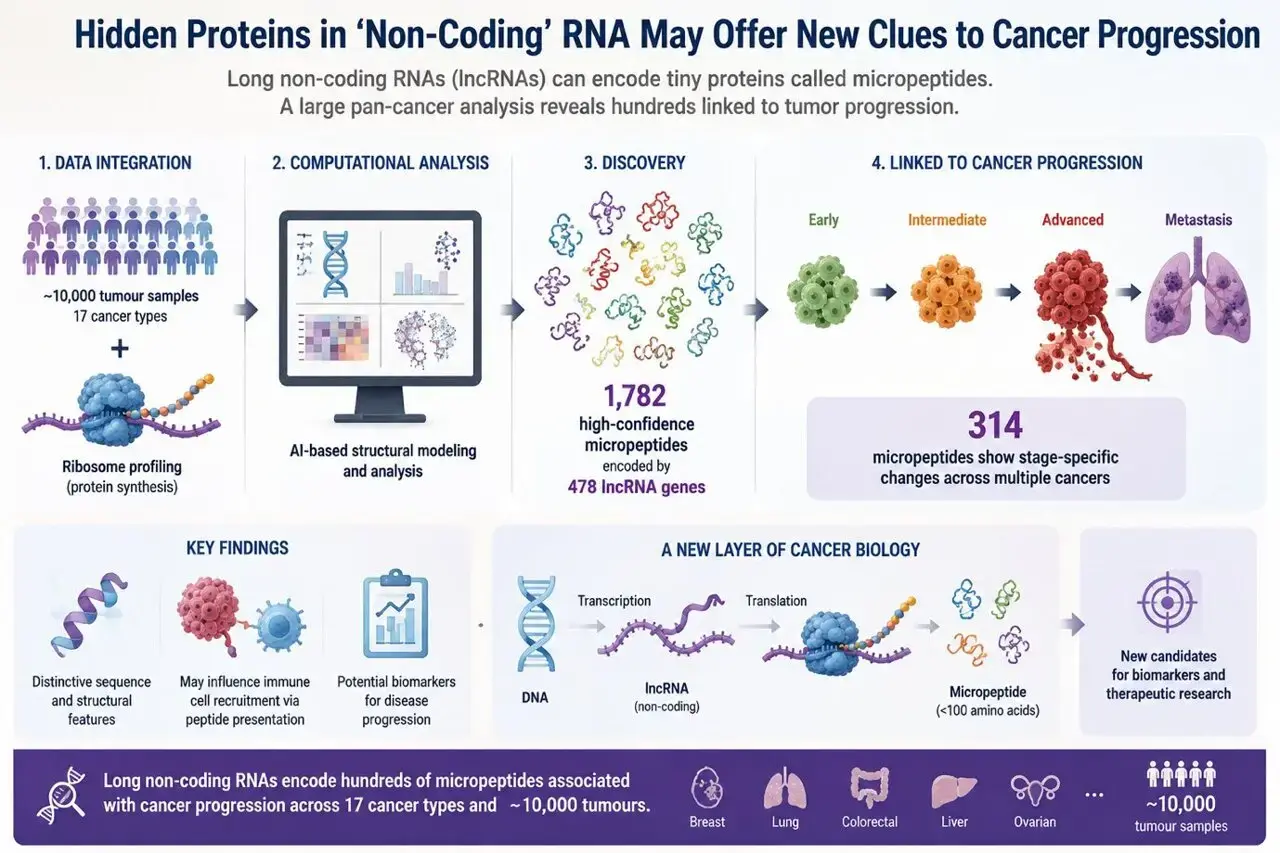 Hidden Proteins In Non-Coding RNA May Explain Cancer Spread
The study highlights how hemp’s natural properties—high tensile strength, low moisture absorption, and inherent antimicrobial qualities—translate into tangible benefits for denim. By replacing a portion of cotton with hemp, manufacturers can produce jeans that resist cracking, retain shape, and stay fresher longer. The research also notes that hemp’s eco‑friendly cultivation requires fewer pesticides and less water than conventional cotton, adding a sustainability edge.
The researchers measured tensile strength across different blends, discovering that a 20% hemp content increased the fabric’s resistance by up to 30% compared to pure cotton. This enhancement means jeans can endure frequent washing without losing their structure. Additionally, hemp fibers absorb less water, reducing the weight of wet denim and improving overall comfort. The study reports that hemp‑infused denim also shows a lower rate of pilling, a common issue in traditional cotton blends.
Is Hemp‑Denim the Future of Sustainable Fashion?
„Adding hemp to denim doesn’t just make it stronger; it also makes it more breathable,” said Dr. Elena Morales, lead scientist on the project. „Consumers will notice the difference in how the fabric feels against the skin, especially during hot weather.”
The findings suggest that hemp could play a pivotal role in the fashion industry’s shift toward greener materials. Hemp cultivation uses minimal water and no synthetic pesticides, making it a low‑impact crop. By integrating hemp into denim, manufacturers can reduce their environmental footprint while offering higher‑quality products. However, the study also points out challenges, such as the need for new processing techniques and the higher cost of hemp fibers compared to cotton.
Industry analysts predict that if the market responds positively, we could see a rise in hemp‑denim lines within the next few years. Brands that adopt these blends may gain a competitive advantage by appealing to eco‑conscious consumers and those seeking durable, comfortable apparel.
Frequently Asked Questions
What is the optimal hemp content for denim? The study found that a 20% hemp blend offers the best balance of strength and comfort, though higher percentages can further improve durability.
Will hemp‑denim be more expensive? Initially, hemp fibers may cost more than cotton, but economies of scale and improved processing could bring prices closer to standard denim over time.
Does hemp denim require special care? Care instructions remain similar to conventional denim; however, the fabric’s moisture‑releasing properties may allow for less frequent washing.
Content written by Grace Mitchell for wellness-bio-radar.com editorial team, AI-assisted.