A potassium‑rich salt could save nearly 3 million lives each year, study finds
How potassium‑enriched salt works to protect the heart
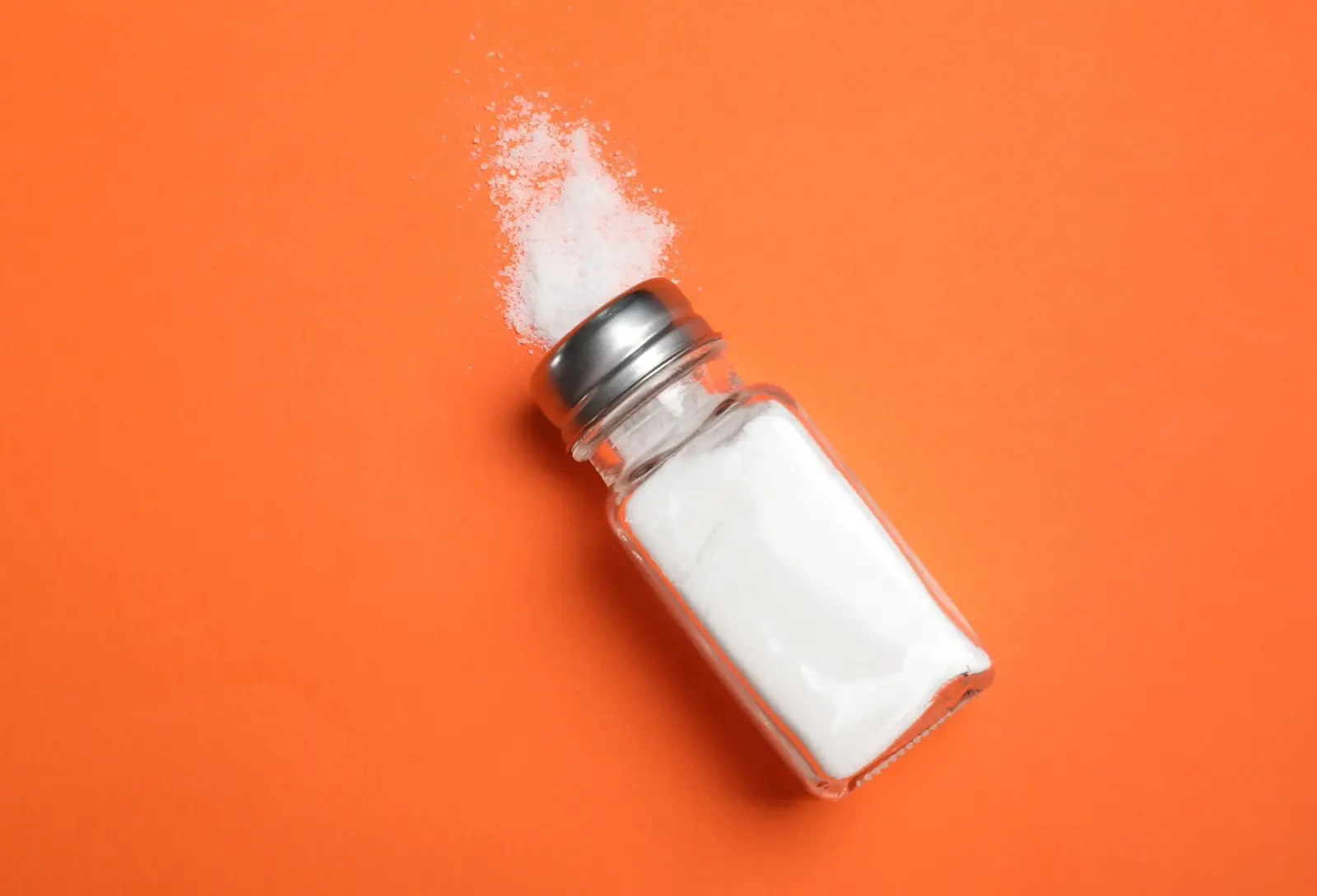
A new global modelling analysis covering all 193 United Nations member states suggests that swapping ordinary table salt for a potassium‑enriched alternative could cut deaths from cardiovascular disease and kidney failure by almost three million annually. The researchers, based at several international health institutes, used existing data on sodium intake, potassium levels, and disease rates to project the health impact of the change.
Health news
 Exercise and Mood: Italian Study Links Physical Activity to Lower Depression Symptoms
 Screen Time in Childhood Linked to Unexpected Cognitive Boost in Teens, 8‑Year Study Shows
 Workplace stress and anxiety are taking a heavy toll on employees, with one in three workers reporting that the strain is not easing
 Daily Food Habit Tied to Lower Risk of Anxiety and Depression
The team built a computer model that linked dietary sodium chloride consumption with blood pressure, heart attacks, strokes and the progression of chronic kidney disease. By replacing a portion of sodium with potassium, which naturally lowers blood pressure, the model predicted substantial reductions in mortality. The researchers also accounted for people already suffering from impaired kidney function, a group that can be sensitive to potassium intake. Their calculations showed that even a modest 30 % replacement of regular salt with potassium‑enhanced salt could prevent roughly 2.9 million deaths worldwide each year, with the greatest benefits in regions where sodium consumption is highest and healthcare resources are limited.
Potassium counteracts sodium’s effect on the arteries by helping blood vessels relax, which lowers systolic pressure. In the model, average blood pressure fell by about 2–3 mm Hg when sodium intake dropped by 1 g per day and potassium rose by the same amount. This modest shift translated into a 10 % drop in stroke incidence and an 8 % decline in heart‑attack rates across the simulated populations.
Could widespread potassium salt use pose risks for kidney patients?
The researchers noted that the health gains were especially pronounced in East Asia and Sub‑Saharan Africa, where average salt consumption exceeds 10 g per day. In those regions, the projected lives saved could reach 1.2 million annually. They also highlighted that the intervention would be inexpensive: potassium‑enriched salt can be produced using existing manufacturing processes, requiring only a modest adjustment of mineral blends.
One concern is that people with severe chronic kidney disease struggle to excrete excess potassium, risking hyperkalaemia. The study addressed this by modelling a scenario where individuals with advanced kidney impairment continue using regular salt, while the rest of the population adopts the potassium blend. Even with this precaution, the overall mortality reduction remained near three million lives saved. The authors stress that medical guidance should still be sought for patients with known kidney issues before changing salt habits.
If policymakers, food manufacturers and public‑health agencies embrace the switch, the potential impact on global health could be transformative. Reduced cardiovascular events would ease the burden on overstretched health systems, while fewer kidney‑related deaths would improve quality of life for millions. The authors call for pilot programs to test consumer acceptance and monitor safety, especially among vulnerable groups.
Frequently Asked Questions
What is the recommended amount of potassium‑enriched salt? The study assumes a 30 % replacement of regular salt, which translates to roughly 2–3 g of potassium‑enhanced salt per day for an average adult, alongside a balanced diet.
Will the taste of food change noticeably? Potassium chloride has a slightly bitter note, but when blended with sodium chloride the difference is minimal. Many commercial products already use such blends without consumer complaints.
How quickly could this intervention be rolled out worldwide? Implementation depends on regulatory approval, industry adoption and public‑education campaigns. Pilot projects in a few countries could begin within a year, with broader rollout possible over the next five to ten years.