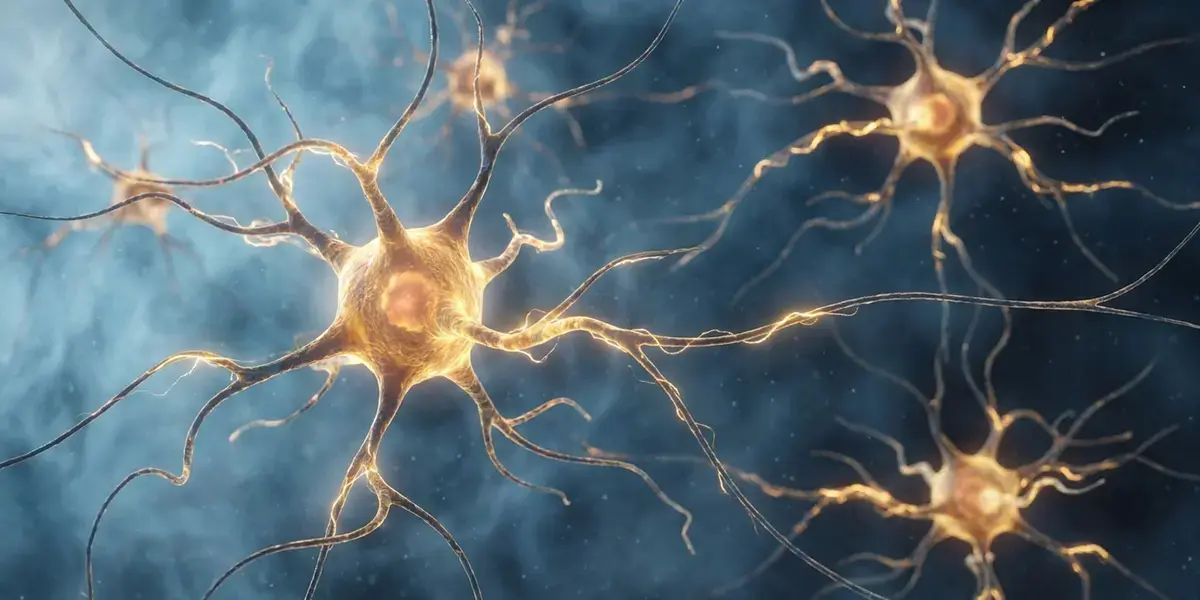
Brain Powers Endurance After Exercise
The Brain's Hidden Role in Fitness
Researchers at a recent study discovered that the brain directly influences the body's ability to build endurance after physical activity. The study was published in the journal Neuron. Scientists observed a specific group of brain cells that become active immediately after a workout.
Health news
 Sleep May Be the Heart's Nightly Repair Window, Study Suggests
 APOE Genotype Influences How Well Blood Tau Protein Predicts Cognitive Decline
 Pancreatic Cancer Hijacks Blood-Clotting System to Evade Immune Attack
 Survey Reveals Most Men Unaware Dairy May Increase Prostate Cancer Risk
The research revealed that physical endurance is not solely dependent on the body's physical condition, but also on the brain's response to exercise. Scientists found that certain brain cells play a crucial role in building endurance by triggering specific physiological changes.
After exercise, the brain cells in question release signals that help the body adapt to physical demands. This process enables the body to become more efficient and resilient over time. The study's findings suggest that the brain is not just a passive observer, but an active participant in the endurance-building process.
Can Brain Training Boost Endurance?
The researchers monitored the brain activity of subjects after exercise and found a significant increase in the activity of specific brain cells. These cells were responsible for triggering the release of certain chemicals that helped the body recover and adapt to the physical stress.
The discovery of the brain's role in building endurance raises questions about the potential for brain training to enhance physical performance. If the brain plays a significant role in endurance, can training the brain improve overall fitness?
The study's findings have significant implications for athletes and individuals looking to improve their physical performance. Understanding the brain's role in building endurance could lead to new training methods that target both the body and the brain.
Frequently Asked Questions
Q: What type of brain cells are involved in building endurance? A: The study identified a specific group of brain cells that become active after exercise. These cells release signals that help the body adapt to physical demands.
Q: Can brain training improve endurance? A: The study's findings suggest that brain training could potentially enhance physical performance by improving the brain's ability to support endurance.
Q: What are the potential applications of this research? A: The discovery of the brain's role in building endurance could lead to new training methods and therapies for individuals with physical limitations or injuries.
Content written by Dr. Elena Voss for wellness-bio-radar.com editorial team, AI-assisted.