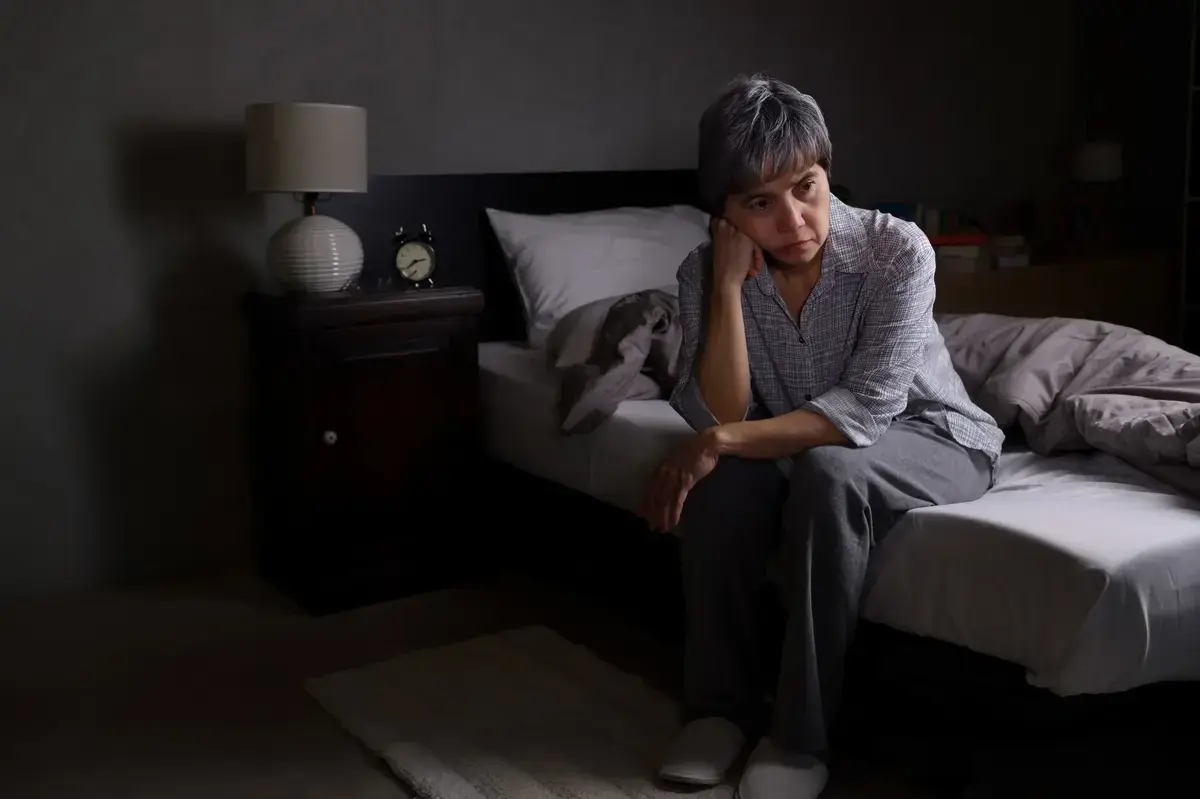
Sleep Changes in Older Women Could Signal Health Decline
Unpacking the Sleep-Health Connection
New research suggests that changes in sleep patterns among very old women may indicate more than just normal aging. Scientists tracked the sleep of over 700 women in their 80s and 90s for five years. They found that shifts in nighttime rest, daytime naps, and daily rhythms could be early warnings of worsening health.
Health news
 Voice Recording Predicts Age, Reveals New Biological Clock
 Popular Zero-Calorie Sweeteners May Pass Effects to Future Generations
 Movement Patterns Linked to Longevity
 Hidden Proteins In Non-Coding RNA May Explain Cancer Spread
The study used objective sleep tracking methods. This allowed researchers to precisely measure how sleep changed over time. The findings highlight the importance of monitoring sleep in this age group.
The study focused on „multidimensional sleep-wake changes.”This means researchers looked at several aspects of sleep. They examined how long women slept at night and how often they napped during the day. They also studied the women's circadian rhythms, which are their natural 24-hour body clocks.
What Does This Mean for Very Old Women?
These sleep alterations were then linked to health outcomes. The researchers specifically looked at the risk of death from any cause. They also investigated the risk of death due to cardiovascular disease. The results suggest a strong connection between sleep patterns and overall health in very elderly women.
The research indicates that sleep disturbances might not just be a symptom of aging. Instead, they could be an early indicator of more serious health issues. For doctors and caregivers, this means paying closer attention to how older women are sleeping. Early detection of these changes could lead to earlier interventions.
Understanding these links could help improve the health and longevity of older women. It emphasizes that sleep is a vital part of health, even in advanced age. Further research may explore specific interventions to address these sleep changes.
Frequently Asked Questions
What type of sleep tracking was used in the study? This allowed for precise measurements of sleep patterns.
How many women participated in this research? More than 700 women in their 80s and 90s were part of the study. Their sleep was tracked over a five-year period.
What health risks were associated with sleep changes? The study linked sleep-wake changes to an increased risk of all-cause mortality and cardiovascular disease mortality.
Content written by Marcus Reid for wellness-bio-radar.com editorial team, AI-assisted.