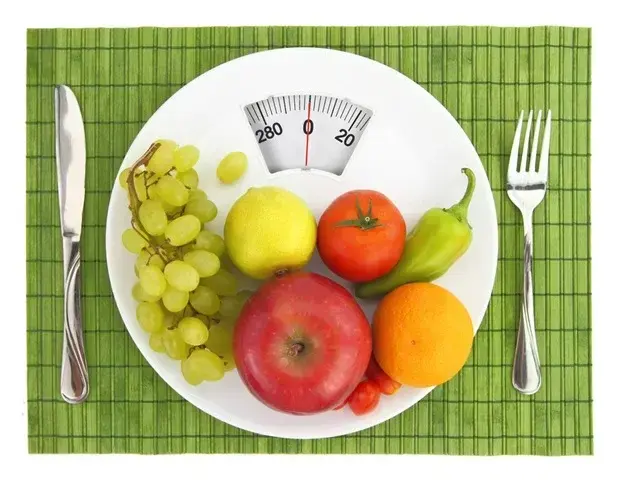
Modest Dietary Changes Could Boost Scotland's Climate and Health Goals
A Healthier Plate for a Healthier Planet
Scotland could meet its climate targets while improving public health through modest changes to its diet, according to a recent study. Researchers at the University of Edinburgh conducted the study, which was reviewed in July 2026. The findings suggest a significant positive impact.
Health news
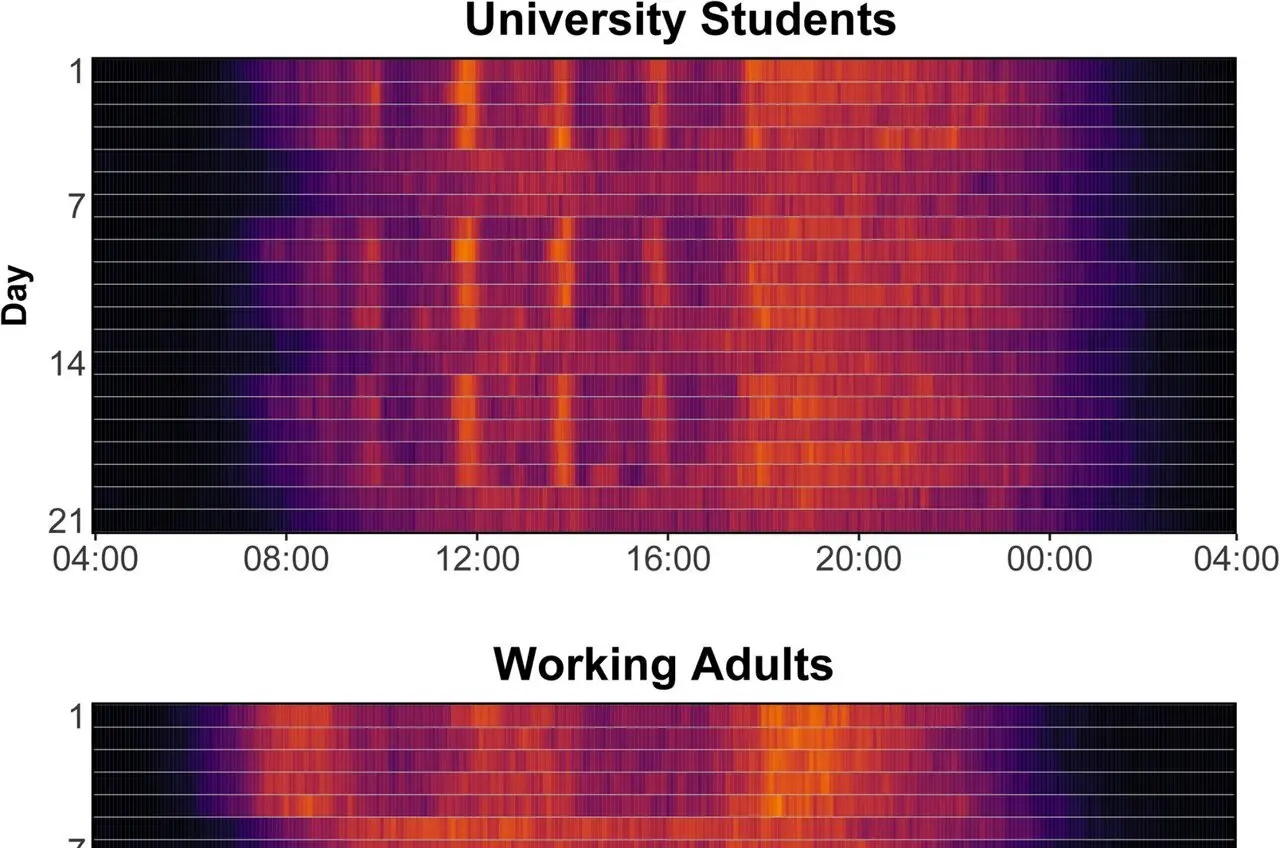 Students Lagg Behind Seniors in Physical Activity, Study Shows
 Sleep May Be the Heart's Nightly Repair Window, Study Suggests
 APOE Genotype Influences How Well Blood Tau Protein Predicts Cognitive Decline
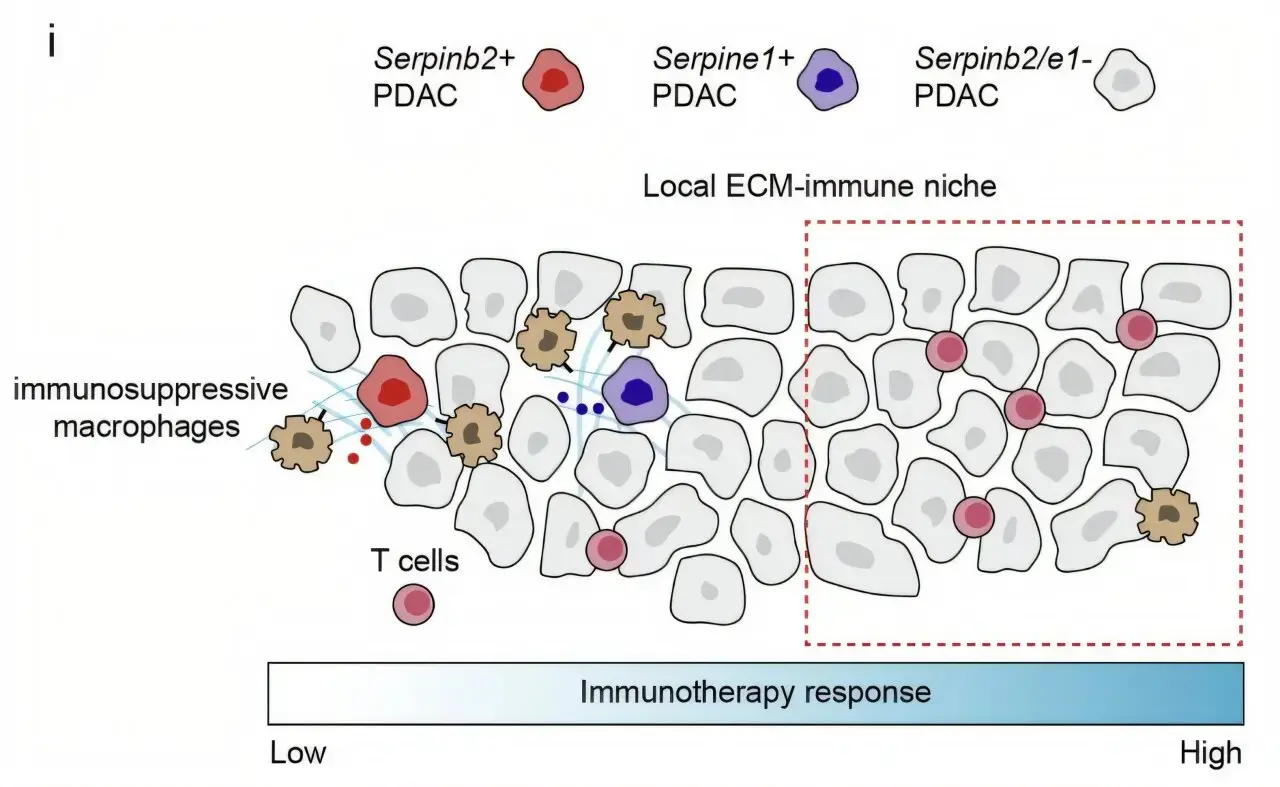 Pancreatic Cancer Hijacks Blood-Clotting System to Evade Immune Attack
The study used a modeling approach to examine the effects of altering meat and dairy consumption. By substituting vegetables, beans, and eggs for processed and unprocessed meat and dairy, the researchers found that Scotland could reap both environmental and health benefits.
Can Scotland's Food Culture Adapt to Climate Needs?
The research indicates that reducing meat and dairy consumption can lead to lower greenhouse gas emissions, a crucial step towards meeting Scotland's climate goals. At the same time, this dietary shift can improve nutrition and overall health. The study's findings highlight the interconnectedness of environmental and public health.
By making relatively modest changes to their diets, Scots can contribute to a more sustainable food system while also reducing their risk of diet-related health problems. The study's results provide a clear direction for policymakers and individuals alike.
As Scotland works towards its climate targets, the food sector will play a critical role. The study's findings suggest that a shift towards more plant-based eating can help drive progress. With the right policies and support, Scotland can create a more sustainable food culture that benefits both the environment and public health.
Frequently Asked Questions
The potential consequences of inaction are significant, but by making informed choices about diet, Scotland can move closer to achieving its climate and health goals. As the country looks to the future, the study's findings offer a promising path forward.
What kind of dietary changes are being suggested? Modest reductions in meat and dairy consumption, replaced by vegetables, beans, and eggs. Will these changes be difficult to implement? The changes are relatively modest, and with the right support, they can be achievable. How quickly can these changes make a difference? The study's findings suggest that even relatively small changes can have a significant positive impact over time.
Content written by Dr. Elena Voss for wellness-bio-radar.com editorial team, AI-assisted.