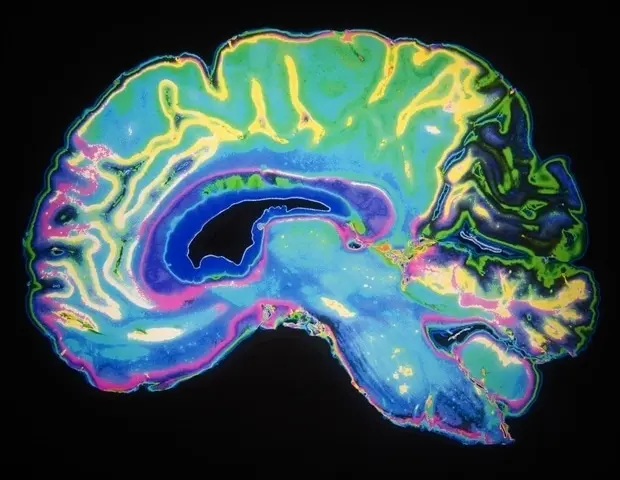
Overtraining May Rewire Brain Chemistry, New Study Reveals
How Overtraining Alters Dopamine Pathways
A new study published in the journal Neuroscience demonstrates that excessive physical exercise disrupts dopamine regulation in the hippocampus. The research focused on mice subjected to exhaustive training without adequate rest. The hippocampus, a brain region critical for memory and emotional regulation, showed altered dopamine signaling under these conditions.
Health news
 Exercise and Mood: Italian Study Links Physical Activity to Lower Depression Symptoms
 Screen Time in Childhood Linked to Unexpected Cognitive Boost in Teens, 8‑Year Study Shows
 Workplace stress and anxiety are taking a heavy toll on employees, with one in three workers reporting that the strain is not easing
 Daily Food Habit Tied to Lower Risk of Anxiety and Depression
The findings suggest that pushing the body beyond its recovery limits does not just strain muscles. It actively changes how the brain processes reward and memory. Researchers observed that the dopamine system in the hippocampus became dysregulated after prolonged, high-intensity exercise sessions. This disruption could explain why some athletes experience mood swings, memory issues, or burnout after intense training blocks.
Does Rest Restore Brain Function?
The study specifically examined the hippocampus, a structure deeply involved in learning and emotional control. When mice were forced into exhaustive training routines, their dopamine regulation in this region shifted significantly. The researchers noted that adequate rest between sessions was a critical variable. Without recovery, the brain's reward circuitry became imbalanced. This imbalance may manifest as anxiety, reduced motivation, or cognitive fog in human athletes.
The data indicates that rest periods are essential for maintaining healthy dopamine levels. The study implies that strategic recovery is just as important as the training itself. Athletes who skip rest days may be inadvertently damaging their brain's chemical balance. The research highlights a clear link between physical overexertion and neurological changes.
Does this apply to human athletes? The study used mice, but the hippocampus functions similarly in humans. Researchers believe the findings are relevant to human overtraining syndrome.
Frequently Asked Questions
How much rest is needed? The study did not specify exact rest durations, but it emphasized that adequate recovery between exhaustive sessions is critical for normal dopamine regulation.
Can the brain recover from overtraining? The research suggests that with proper rest, dopamine regulation can return to baseline. Continued overtraining without recovery leads to persistent neurological effects.