
Weight Training Boosts Muscle Repair, New Study Reveals
Unlocking the Muscle Regeneration Code
Scientists from the Universities of Hildesheim, Bonn, and Freiburg have discovered how resistance training directly activates the body's muscle repair system. This groundbreaking research sheds light on the cellular mechanisms behind muscle growth and recovery. The findings could revolutionize approaches to exercise and rehabilitation.
Health news
 Sleep May Be the Heart's Nightly Repair Window, Study Suggests
 APOE Genotype Influences How Well Blood Tau Protein Predicts Cognitive Decline
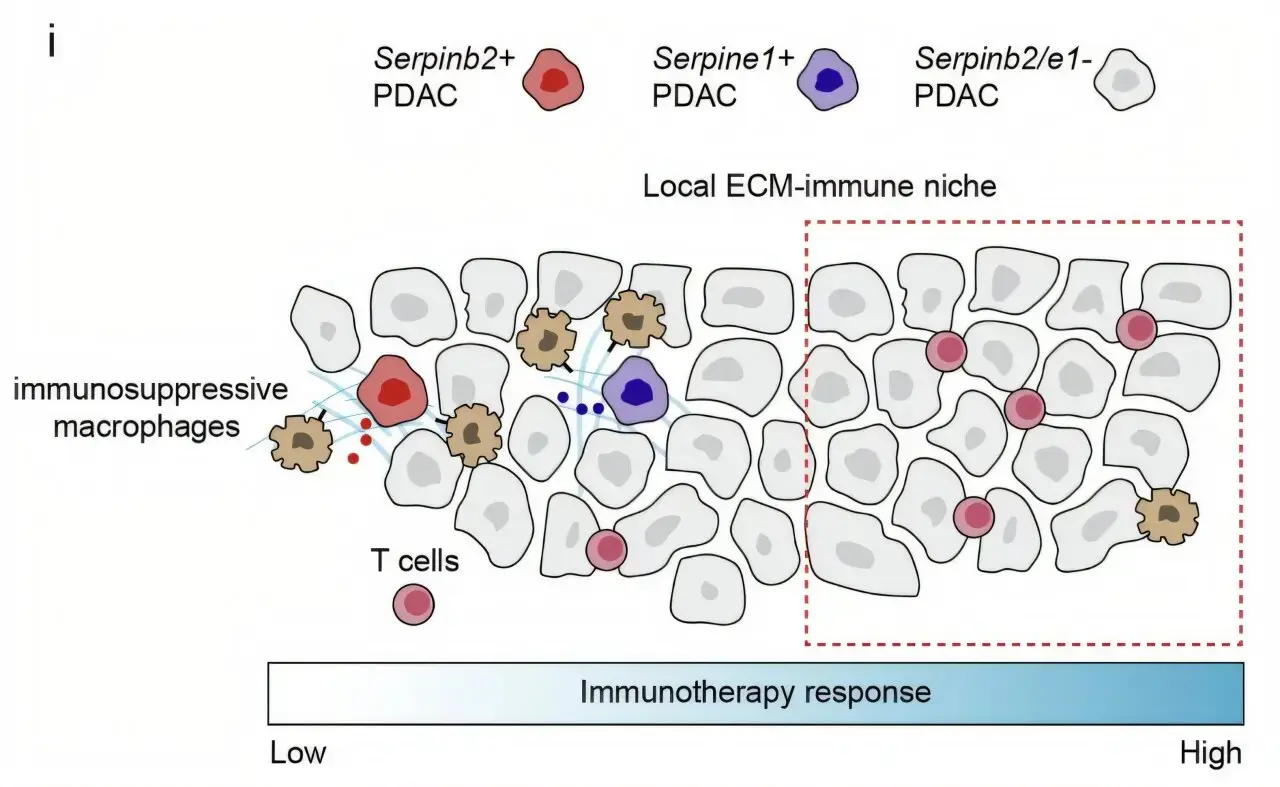 Pancreatic Cancer Hijacks Blood-Clotting System to Evade Immune Attack
 Survey Reveals Most Men Unaware Dairy May Increase Prostate Cancer Risk
The study focused on human skeletal muscle, examining the immediate molecular responses to resistance exercise. Researchers observed a direct link between lifting weights and the activation of specific cellular pathways responsible for repairing damaged muscle fibers. This process is crucial for adaptation and strengthening.
The investigation pinpointed key proteins and genetic signals triggered by resistance training. These signals initiate a cascade of events leading to the repair and growth of muscle tissue. Understanding these precise mechanisms offers new avenues for optimizing training protocols. It also holds promise for developing therapies for muscle wasting conditions.
How Does Exercise Directly Influence Muscle Repair?
Previous theories suggested a more indirect relationship. However, this study provides concrete evidence of a direct cellular command. The body's response is both rapid and highly organized, demonstrating an efficient repair machinery. This intrinsic ability of muscles to regenerate is fundamental to human health and athletic performance.
The research indicates that mechanical stress from resistance exercise acts as a primary trigger. This stress signals muscle cells to activate specific genes involved in protein synthesis and cellular repair. The process is akin to a finely tuned biological switch, turning on the necessary repair mechanisms immediately after a workout. This direct activation ensures efficient recovery and adaptation.
This discovery has significant implications for athletes, the elderly, and individuals recovering from injury. Tailoring exercise programs based on these findings could enhance muscle recovery and prevent age-related muscle loss. It also offers a clearer understanding of why resistance training is so effective for overall physical health. The future may see more targeted exercise prescriptions.
Frequently Asked Questions
What exactly did the study find? The study found that resistance training directly activates the cellular machinery responsible for repairing and growing human skeletal muscle. It identified specific molecular signals triggered by exercise that initiate this repair process.
Why is this discovery important? This discovery is important because it provides a deeper understanding of how muscles adapt and strengthen in response to exercise. It could lead to improved training methods, better rehabilitation strategies, and new treatments for muscle-related conditions.
Can this research help people with muscle loss? Yes, by understanding the direct mechanisms of muscle repair, researchers can explore new ways to combat age-related muscle loss and muscle wasting diseases. This knowledge could inform the development of targeted interventions.
Content written by Dr. Elena Voss for wellness-bio-radar.com editorial team, AI-assisted.