Female Gut Muscles Transform for Reproduction, Study Reveals
How Do Gut Muscles Adapt for Reproduction?
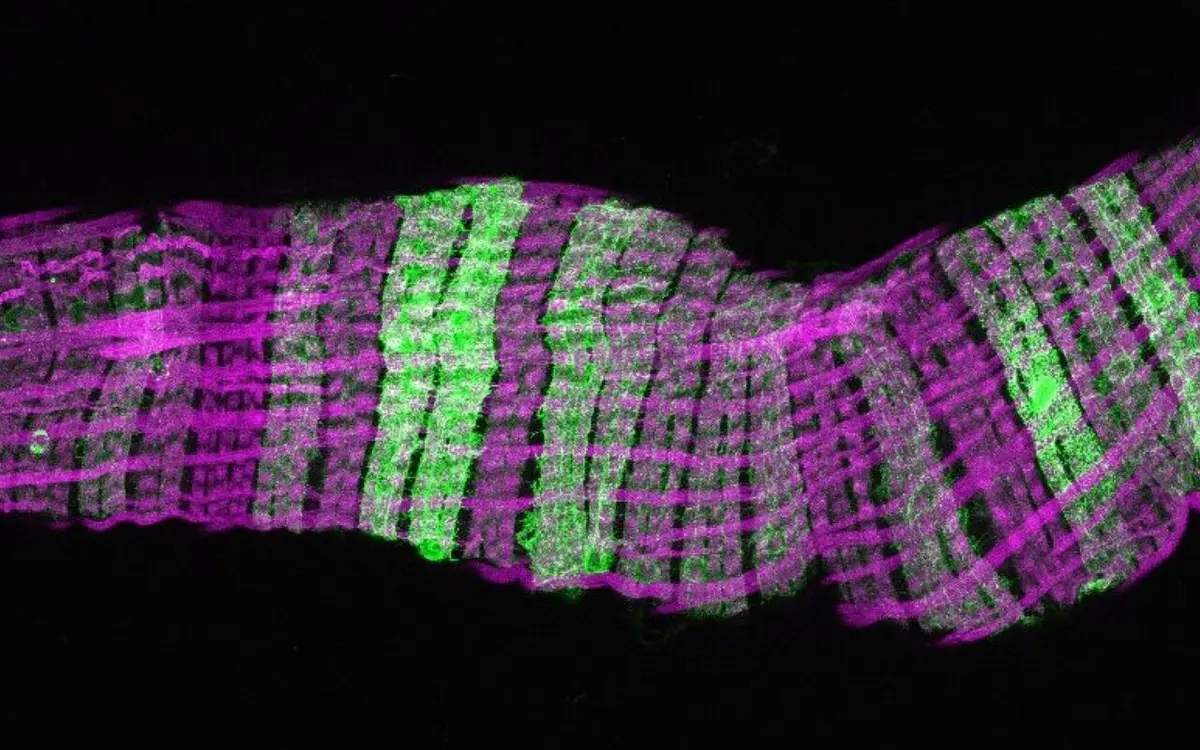
A recent preclinical study indicates that the gut muscles of females undergo significant changes to support the demands of reproduction. This research challenges the long-held belief that organ development primarily occurs early in life. Instead, it suggests organs can adapt throughout an organism's lifespan.
Health news
 How Exercise May Improve Mental Health by Reducing Stress and Negative Thinking
 Scientists Engineer Probiotic Bacteria to Target Pancreatic Tumors
 Research Reveals Impaired Brain Cell Growth in Adults with Depression
 AI Can Predict Vaccine Responses Before Administration
The findings highlight a remarkable plasticity within the body. Specifically, the muscular layers of the intestine demonstrate an ability to remodel themselves. This adaptation is directly linked to the physiological stresses and requirements of reproduction.
What Does This Mean for Organ Development?
The study focused on the circular intestinal muscle cells. These cells, along with the outer longitudinal muscle network, form a complex structure. Researchers observed distinct alterations in these muscle fibers during reproductive phases. These changes likely facilitate nutrient absorption and waste management during pregnancy and lactation. The remodeling ensures the female body can efficiently process food and support offspring development.
This research provides new insights into organ plasticity. It suggests that organs are not static once mature. They can dynamically respond to internal and external cues. This adaptability is crucial for survival and successful reproduction across species. The study opens new avenues for understanding how physiological states influence organ structure and function. It also implies a more flexible biological system than previously understood.
What kind of study was this? This was a preclinical study. It involved observing biological processes in a laboratory setting, often using animal models, before human trials.
Frequently Asked Questions
What specific muscles were observed? The study focused on the circular intestinal muscle cells and the overall intestinal muscle network. This network includes both inner circular and outer longitudinal muscles.
Why is this research important? This research is important because it changes our understanding of organ development. It shows that organs can adapt and reshape in response to physiological demands, such as reproduction, throughout life.
Content written by Dr. Elena Voss for wellness-bio-radar.com editorial team, AI-assisted.