
Preserved Beta-Cell Function Key to Diabetes Care Advancements
Unlocking New Treatment Paradigms
Critical Path Institute's Type 1 Diabetes Consortium reaffirmed its commitment to advancing regulatory science for type 1 diabetes treatment on June 16, 2026. The organization aims to enable new therapeutic innovations across multiple stages of the disease.
Health news
 Sleep May Be the Heart's Nightly Repair Window, Study Suggests
 APOE Genotype Influences How Well Blood Tau Protein Predicts Cognitive Decline
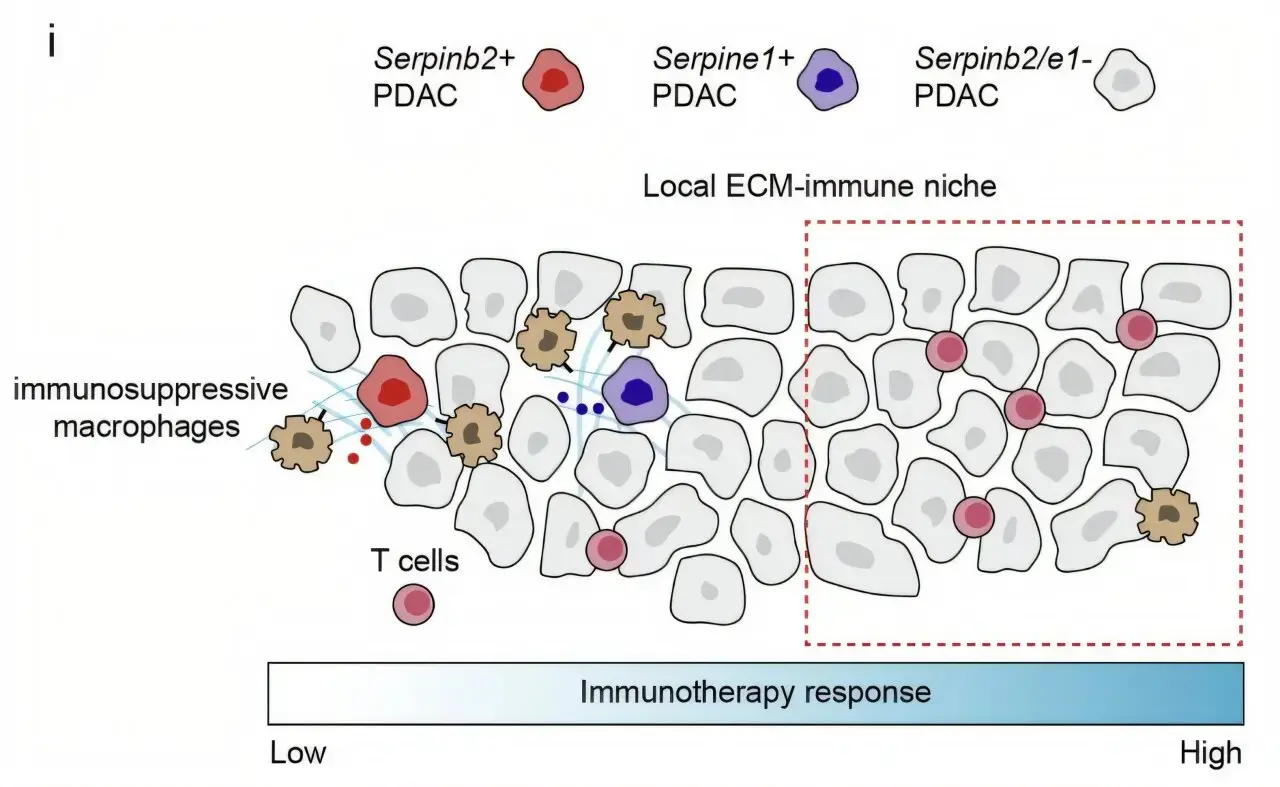 Pancreatic Cancer Hijacks Blood-Clotting System to Evade Immune Attack
 Survey Reveals Most Men Unaware Dairy May Increase Prostate Cancer Risk
The announcement highlights the importance of strengthening the evidence infrastructure to support the development of new treatments. Preserving beta-cell function is crucial in managing type 1 diabetes, and the consortium is working to facilitate the creation of effective therapies.
Can Preserving Beta-Cell Function Revolutionize Diabetes Treatment?
Recent clinical trial data has shown that preserving beta-cell function is vital in type 1 diabetes care. This discovery has significant implications for the development of new treatments. By focusing on this aspect, researchers can create more effective therapies that address the underlying causes of the disease.
The consortium's efforts are expected to drive innovation in the field, enabling the development of novel treatments that can improve patient outcomes. Experts believe that preserving beta-cell function can lead to better disease management and improved quality of life for patients.
By advancing regulatory science and evidence infrastructure, the consortium is paving the way for a new era in type 1 diabetes treatment. The potential breakthroughs in this area could lead to significant improvements in patient care.
Frequently Asked Questions
The advancements in type 1 diabetes treatment are expected to have a profound impact on patient outcomes, enabling them to manage their condition more effectively. As research continues to progress, patients can expect to benefit from innovative new therapies.
What is the significance of preserving beta-cell function in type 1 diabetes care? Preserving beta-cell function is crucial as it enables better disease management and improved patient outcomes. How will the consortium's efforts impact type 1 diabetes treatment? The consortium's work is expected to drive innovation, enabling the development of novel treatments that improve patient outcomes. What are the potential benefits of the consortium's research? The research has the potential to lead to significant improvements in patient care, enabling patients to manage their condition more effectively.
Content written by Marcus Reid for wellness-bio-radar.com editorial team, AI-assisted.