
Skin Cancer in Immunosuppressed Patients Linked to Immune Cell Dysfunction
Immune Cells Are Present But Not Working
Researchers at The University of Texas MD Anderson Cancer Center have made a significant discovery. They found that skin cancer in patients with weakened immune systems is caused by faulty immune cells. It is not due to a complete lack of these cells. This finding changes how we understand these cancers.
Health news
 APOE Genotype Influences How Well Blood Tau Protein Predicts Cognitive Decline
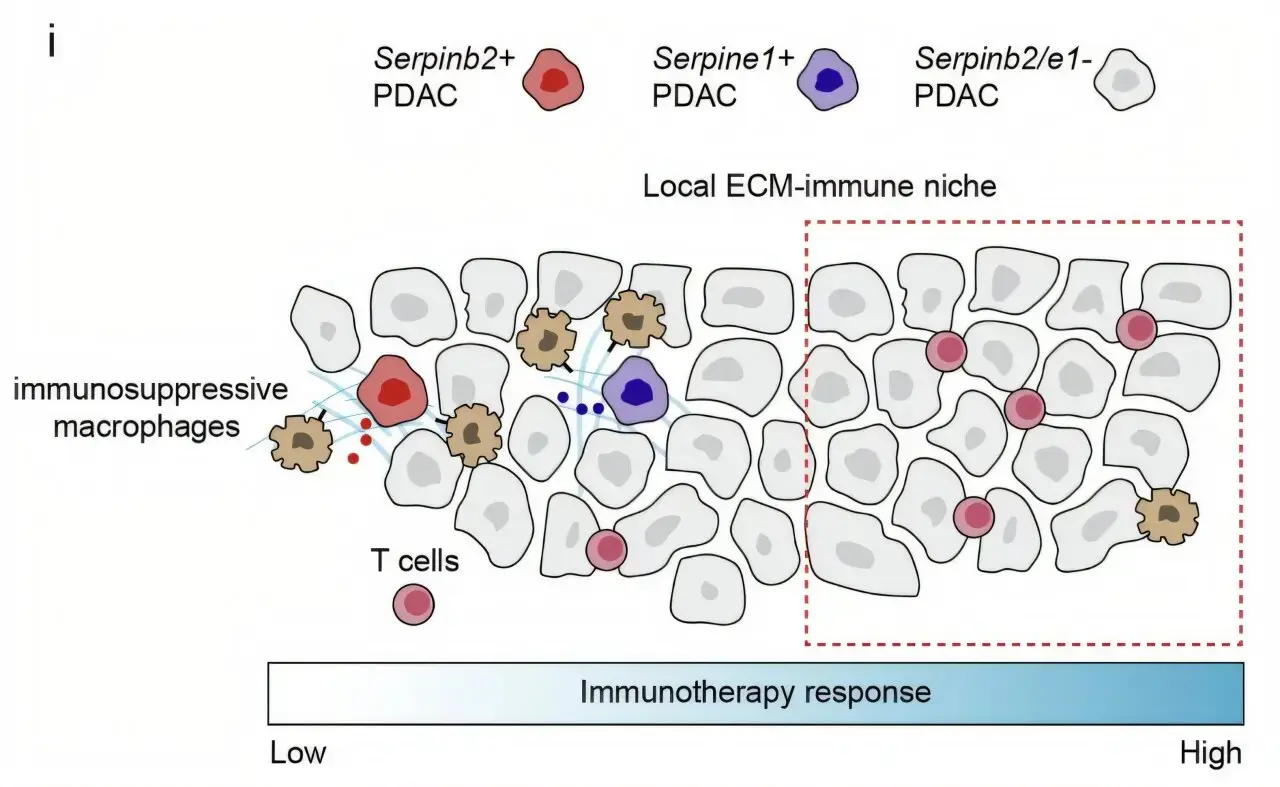 Pancreatic Cancer Hijacks Blood-Clotting System to Evade Immune Attack
 Survey Reveals Most Men Unaware Dairy May Increase Prostate Cancer Risk
 Therapeutic Gardening Shows Promise for Mental Health in Adults with Chronic Illnesses
The study focused on how immune responses contribute to skin cancer development. It suggests new ways to prevent and treat these diseases. This research could improve outcomes for many vulnerable patients.
The team observed that immune cells, specifically T cells, were present in the skin of immunosuppressed patients. These T cells, however, were not functioning correctly. They failed to recognize and attack cancer cells. This dysfunction allowed skin cancers to grow unchecked.
How Can We Fix Dysfunctional Immune Cells?
This challenges previous assumptions. It was thought that the absence of immune cells was the main problem. Now, the focus shifts to restoring proper immune function.
The research opens doors for new therapeutic strategies. Treatments could aim to reactivate these dormant immune cells. This might involve new drug therapies or targeted interventions. The goal is to make the immune system effective again.
Understanding this mechanism is crucial. It could lead to personalized treatments for patients at high risk. These include organ transplant recipients and those with autoimmune diseases.
Frequently Asked Questions
What did the MD Anderson Cancer Center researchers discover? They found that skin cancer in immunosuppressed patients is caused by immune cells that are present but not working correctly, rather than a complete absence of these cells.
What does this discovery mean for future treatments? This finding suggests that future treatments could focus on reactivating or restoring the proper function of these dysfunctional immune cells to fight skin cancer.
Which patients might benefit most from this research? Patients with weakened immune systems, such as organ transplant recipients or individuals with autoimmune diseases, could greatly benefit from these new insights and potential therapies.
Content written by Dr. Elena Voss for wellness-bio-radar.com editorial team, AI-assisted.