
Immune Cells Linked to Cognitive Decline
The Enzyme's Impact on Brain Function
Researchers have discovered that certain immune cells in the blood contribute to cognitive ageing in mice, with findings published on 14 May 2026. Old T cells were found to secrete an enzyme that impairs brain function. This breakthrough sheds new light on the complex relationship between the immune system and cognitive decline.
Health news
 APOE Genotype Influences How Well Blood Tau Protein Predicts Cognitive Decline
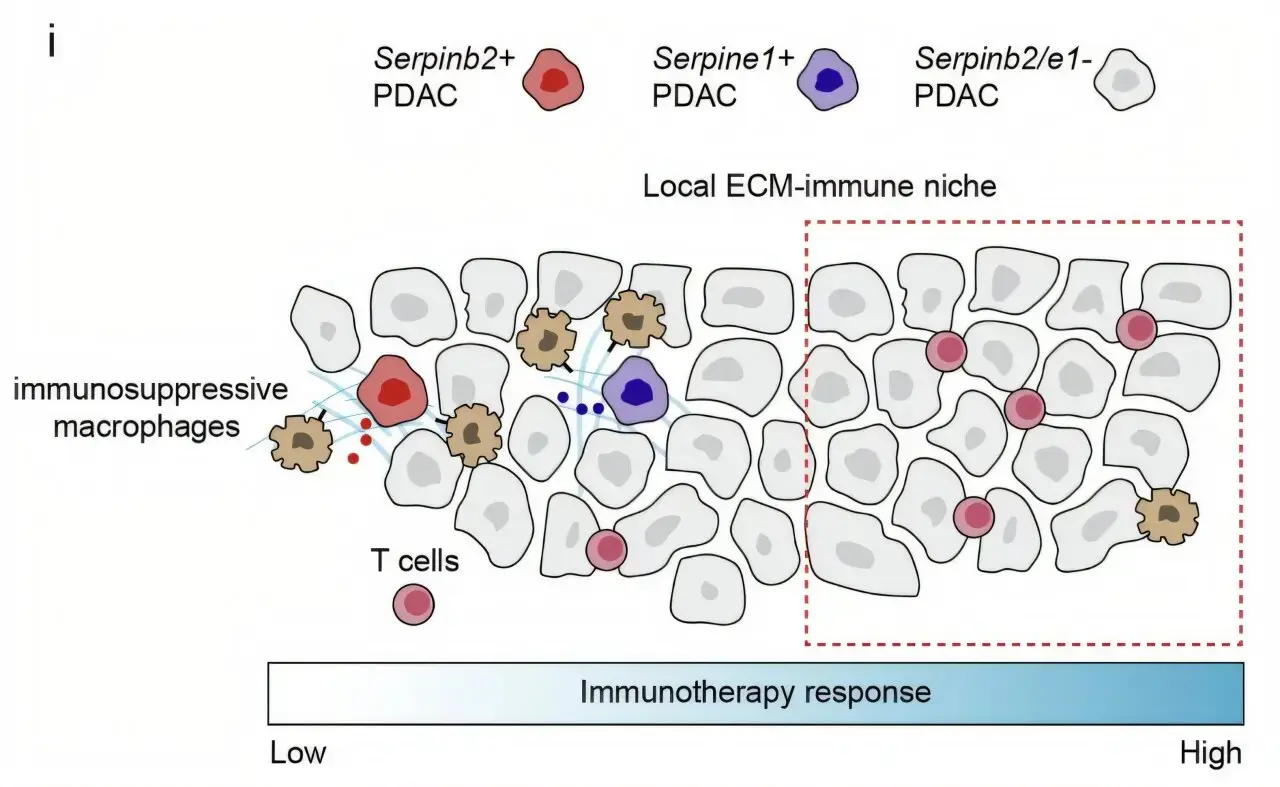 Pancreatic Cancer Hijacks Blood-Clotting System to Evade Immune Attack
 Survey Reveals Most Men Unaware Dairy May Increase Prostate Cancer Risk
 Therapeutic Gardening Shows Promise for Mental Health in Adults with Chronic Illnesses
The study focused on the role of old T cells in cognitive ageing. These cells, which accumulate with age, were shown to negatively impact brain function. The enzyme secreted by old T cells was identified as a key factor in this process.
The enzyme's presence was found to impair cognitive abilities in mice, highlighting a potential link between immune cells and age-related cognitive decline. By blocking the action of this enzyme, researchers were able to improve memory in mice. This suggests that targeting old T cells or the enzyme they secrete could be a viable strategy for addressing cognitive ageing.
Can Immune Cells be the Key to Reversing Cognitive Decline?
Further research is needed to fully understand the mechanisms at play and to explore potential therapeutic applications. The study's findings have significant implications for our understanding of cognitive ageing and the development of new treatments.
The discovery that immune cells contribute to cognitive decline opens up new avenues for research into age-related cognitive impairment. As scientists continue to explore the complex interplay between the immune system and the brain, new treatments may emerge that target the root causes of cognitive ageing.
Frequently Asked Questions
What is the role of old T cells in cognitive ageing? Old T cells secrete an enzyme that impairs brain function, contributing to cognitive decline. This enzyme is a key factor in the negative impact of old T cells on cognitive abilities.
Can blocking the enzyme improve cognitive function in humans? While the study was conducted in mice, the findings suggest that targeting the enzyme or old T cells could be a viable strategy for addressing cognitive ageing in humans. Further research is needed to confirm this.
What are the potential therapeutic implications of this discovery? The study's findings have significant implications for the development of new treatments for age-related cognitive impairment, potentially leading to new therapeutic strategies that target the immune system's role in cognitive decline.
Content written by Claire Ashworth for wellness-bio-radar.com editorial team, AI-assisted.