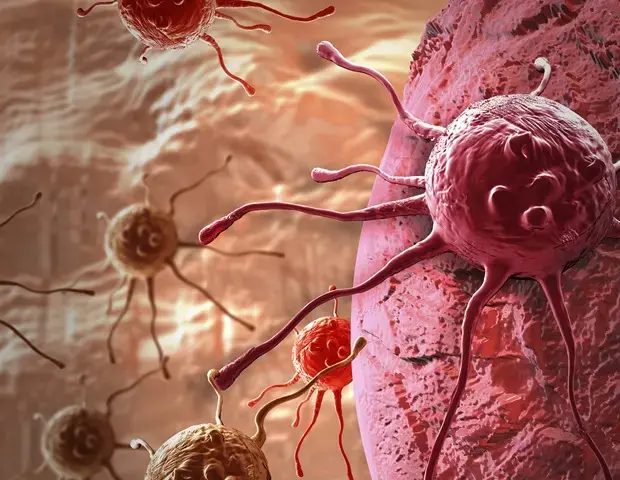
Multiple immunosuppressive therapies increase infection risk for cancer patients
Infection rates rise with dual therapy exposure
A retrospective analysis of over 20,000 patient records from Mass General Brigham, published September 24, 2026, reveals that cancer patients receiving immune checkpoint inhibitors who also require immunosuppressive therapies face significantly higher infection risks. The study highlights opportunities to develop targeted risk-mitigation strategies for vulnerable populations undergoing combined cancer and immunomodulatory treatments.
Health news
 Early Detection of Alzheimer’s: Blood Test Meets Digital App
 Diabetic Retinal Gene Therapy Shows Early Promise After Three Years
 Study Links Pregnancy Complications to Future Heart and Kidney Disease
 Study identifies RGS4 protein as potential target for chronic pain
Immune checkpoint inhibitors enhance the body’s ability to fight tumors but can trigger immune-related adverse events necessitating corticosteroids or other immunosuppressive drugs. Researchers found that the combination of these therapies correlates with increased susceptibility to infections, particularly in patients with pre-existing conditions or those receiving prolonged immunosuppression. The analysis focused on identifying patterns in infection incidence across different cancer types and treatment regimens to inform safer clinical practices.
How can clinicians balance cancer treatment and infection prevention?
Patients receiving both immune checkpoint inhibitors and immunosuppressive agents showed a 40% higher rate of serious infections compared to those on checkpoint inhibitors alone. The most common infections included respiratory tract infections and urinary tract infections, with older adults and those with hematologic malignancies being disproportionately affected. Researchers noted that timing and duration of immunosuppressive use were critical factors influencing outcomes, suggesting that shorter courses or alternative agents might reduce risk without compromising cancer treatment efficacy.
The study suggests that proactive monitoring, early antibiotic prophylaxis, and personalized immunosuppression dosing could help mitigate infection risks while maintaining antitumor benefits. Researchers emphasize the need for real-time surveillance systems and standardized guidelines to manage the complex interplay between immune activation and suppression. Future research will focus on identifying biomarkers that predict which patients are most vulnerable to complications from combined therapies.
What types of immunosuppressive therapies were most commonly linked to increased infection risk? Corticosteroids were the most frequently used immunosuppressive agents in the study, followed by drugs like mycophenolate mofetil and tacrolimus, particularly in patients experiencing severe immune-related adverse events from checkpoint inhibitors.
Frequently Asked Questions
Are certain cancer types more susceptible to infection when combining these therapies? Patients with lung cancer and melanoma showed higher infection rates, likely due to frequent use of checkpoint inhibitors in these cancers and the associated need for immunosuppression to manage side effects such as colitis or pneumonitis.
Can reducing immunosuppressive dosage lower infection risk without affecting cancer outcomes? Preliminary data indicate that minimizing immunosuppression to the lowest effective dose, combined with close monitoring, may reduce infection rates while preserving antitumor activity, though further prospective studies are needed to confirm this approach.
Content written by Dr. Elena Voss for wellness-bio-radar.com editorial team, AI-assisted.