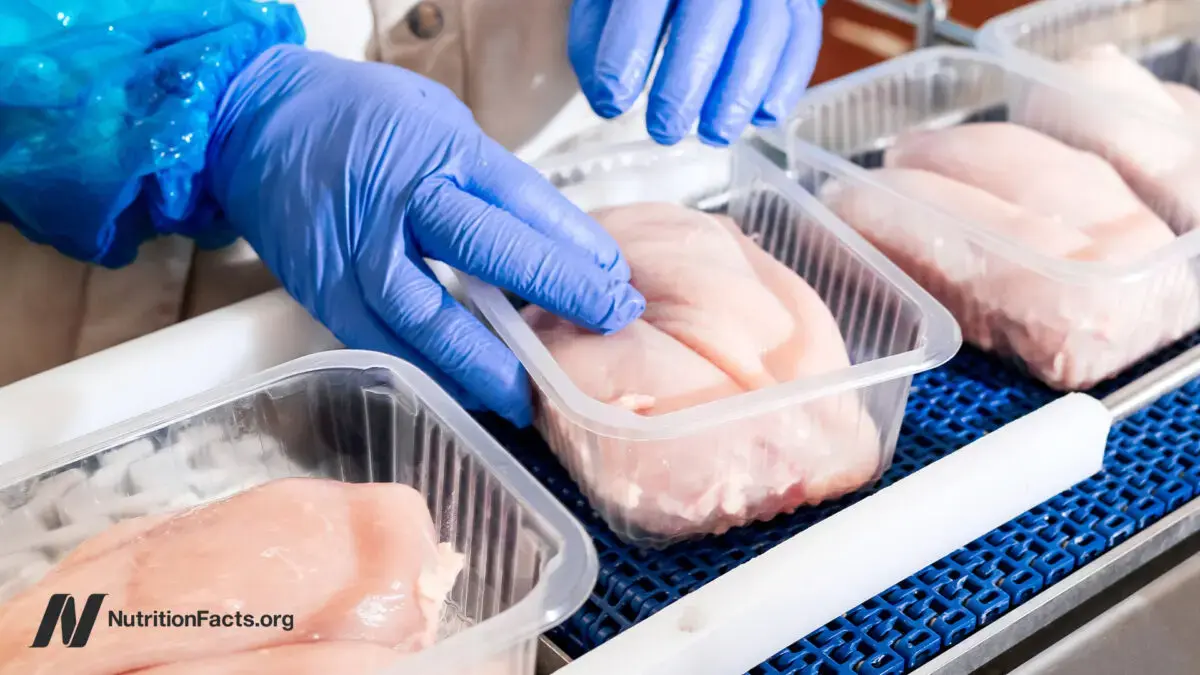
Cancer Risk Linked to Processed Meats
The Dose-Response Relationship
A recent analysis quantifies the increased risk of colorectal cancer associated with consuming processed meats. The International Agency for Research on Cancer (IARC) conducted the study, focusing on bacon, ham, hot dogs, sausage, and lunch meats. These findings were updated in June 2026.
Health news
 Sleep May Be the Heart's Nightly Repair Window, Study Suggests
 APOE Genotype Influences How Well Blood Tau Protein Predicts Cognitive Decline
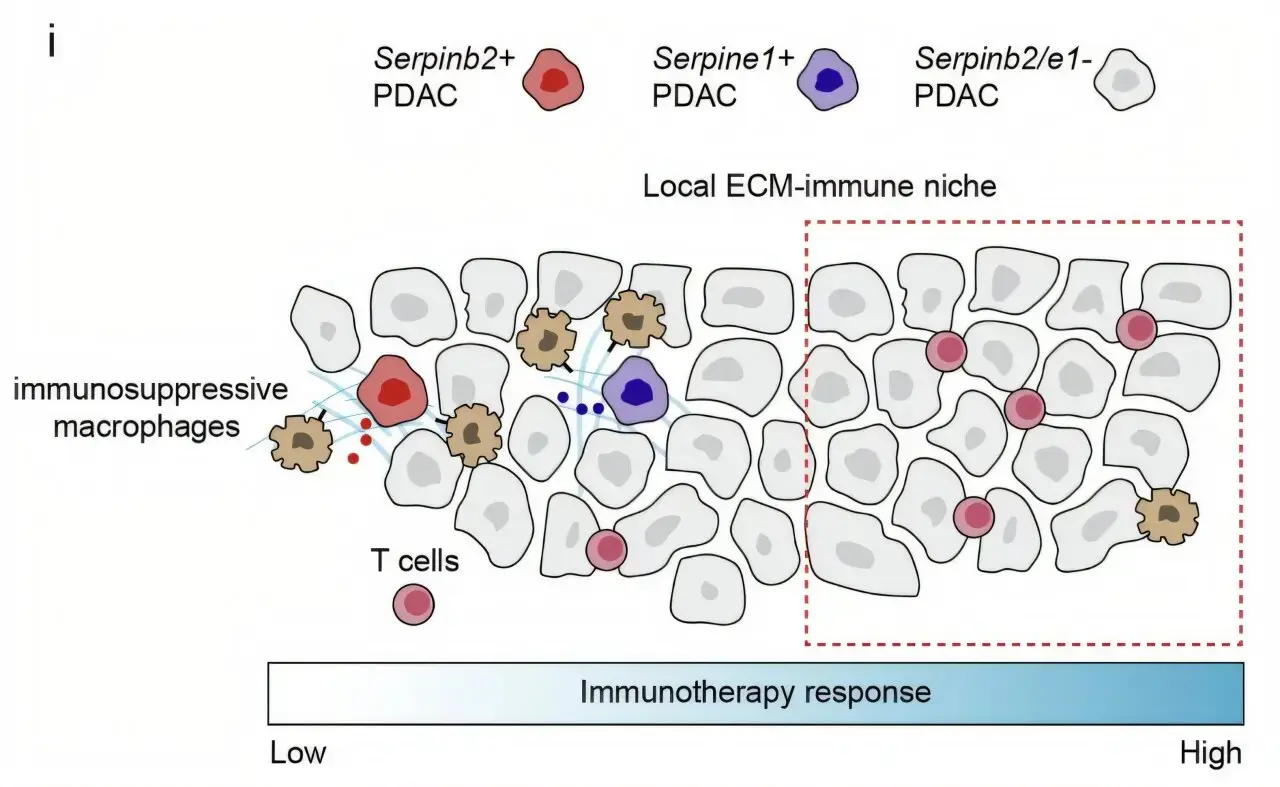 Pancreatic Cancer Hijacks Blood-Clotting System to Evade Immune Attack
 Survey Reveals Most Men Unaware Dairy May Increase Prostate Cancer Risk
The IARC, a leading cancer research body, evaluated decades of evidence. They examined links between diet and cancer development worldwide. Their research confirms a connection between processed meat consumption and a higher incidence of colon and rectal cancers. This isn't about a single food causing cancer, but rather a gradual increase in risk with increased intake.
The level of risk correlates directly with the amount of processed meat eaten. Even small amounts contribute to the overall risk. The IARC’s data suggests that eating just 50 grams of processed meat daily—roughly two slices of bacon—increases the risk of colorectal cancer by 18%. This means for every 50 grams consumed each day, the likelihood of developing the disease rises noticeably.
Is Any Processed Meat Safe?
This isn't a trivial increase. Colorectal cancer is a significant health concern globally. Understanding these risks empowers individuals to make informed dietary choices. The IARC emphasizes that while risk increases with consumption, it doesn’t guarantee cancer development. Many factors contribute to cancer, including genetics, lifestyle, and environment.
The question isn’t necessarily if processed meat is harmful, but how much is too much. The IARC classifies processed meat as „carcinogenic to humans,” placing it in the same category as asbestos and tobacco. However, this classification reflects the strength of the evidence, not the magnitude of the risk. A pack of cigarettes poses a far greater risk than a slice of ham.
The processing itself is key. Methods like curing, smoking, and adding preservatives create compounds that contribute to cancer risk. These compounds, such as nitrates and nitrites, can form carcinogenic substances in the body. Minimizing processed meat intake is a sensible approach to reducing potential harm.
The implications are clear. Reducing processed meat consumption can lower your risk of colorectal cancer. This doesn't mean eliminating it entirely for everyone, but being mindful of portion sizes and frequency is crucial. Public health initiatives should focus on educating people about these risks and promoting healthier dietary alternatives. Future research will likely refine these risk estimates and explore ways to mitigate the harmful effects of processed meat.
Frequently Asked Questions
What constitutes „processed meat”? Processed meat refers to any meat that has been transformed through salting, curing, smoking, or other preservation methods. This includes bacon, ham, hot dogs, sausage, and deli meats like bologna and salami. These processes alter the meat and introduce potentially harmful compounds.
How does the risk compare to other cancer factors? While processed meat increases the risk of colorectal cancer, it's important to remember that many other factors play a role. These include genetics, obesity, smoking, and a lack of physical activity. The risk from processed meat is moderate compared to these other well-established risk factors.
Can cooking methods affect the risk? High-temperature cooking methods, like grilling or frying, can exacerbate the formation of harmful compounds in processed meats. Choosing lower-temperature cooking methods and avoiding charring can potentially reduce the risk, although the impact is likely small compared to overall consumption.
Content written by Dr. Nathan Cole for wellness-bio-radar.com editorial team, AI-assisted.