
TP53 Mutations Linked to Poor Lung Cancer Prognosis
Genetic Mutations and Cancer Aggressiveness
Researchers in Brazil have made a significant discovery about lung cancer, the world's most common and deadly cancer. A study funded by the São Paulo Research Foundation was conducted recently.
Health news
 Sleep May Be the Heart's Nightly Repair Window, Study Suggests
 APOE Genotype Influences How Well Blood Tau Protein Predicts Cognitive Decline
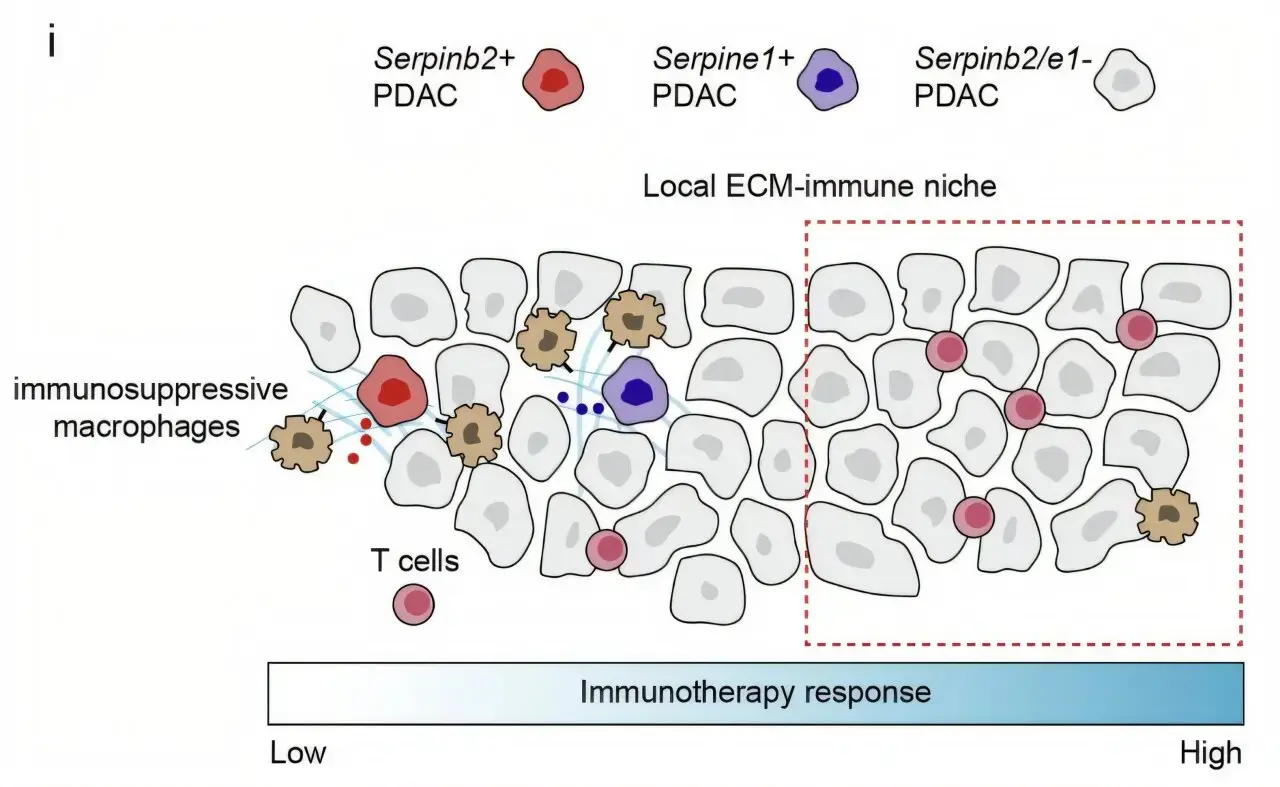 Pancreatic Cancer Hijacks Blood-Clotting System to Evade Immune Attack
 Survey Reveals Most Men Unaware Dairy May Increase Prostate Cancer Risk
Lung cancer is a complex genetic disease with various mutations influenced by factors like smoking and ethnicity. These mutations are now guiding more personalized treatments. The study explored the connection between specific genetic mutations and patient outcomes.
Can Genetic Testing Improve Treatment Outcomes?
The research focused on TP53 mutations, which are known to play a crucial role in cancer development. The study found that certain TP53 mutations are associated with a poorer prognosis for lung cancer patients. This is because these mutations can lead to more aggressive tumor behavior.
The researchers analyzed data from lung cancer patients and identified specific TP53 mutations that correlated with reduced survival rates. According to the study, these mutations can affect the tumor's response to treatment, making it more challenging to manage the disease.
The discovery highlights the importance of genetic testing in lung cancer diagnosis and treatment. By identifying specific mutations like TP53, doctors can better understand the disease's progression and develop more effective treatment strategies.
Frequently Asked Questions
The study's findings have significant implications for lung cancer patients worldwide. As researchers continue to uncover the genetic complexities of the disease, they can develop more targeted and effective treatments.
What is the significance of TP53 mutations in lung cancer? TP53 mutations are associated with a poorer prognosis and more aggressive tumor behavior. They can affect treatment outcomes. How can genetic testing improve lung cancer treatment? Genetic testing can help identify specific mutations, enabling doctors to develop more effective treatment strategies. This can lead to better patient outcomes. What are the next steps in lung cancer research? Researchers will continue to study the genetic complexities of lung cancer, exploring new targets for treatment and improving patient care.
Content written by Dr. Nathan Cole for wellness-bio-radar.com editorial team, AI-assisted.