
Magnesium Intake Linked to Reduced Risk of Colorectal Cancer
The Biological Defense Mechanism
Recent public discussions regarding colorectal cancer diagnoses have highlighted the urgent need for preventative health strategies. New research suggests that maintaining adequate magnesium levels may serve as a critical defense. Scientists are now exploring how this essential mineral supports digestive health and potentially lowers the risk of developing malignant tumors.
Health news
 Sleep May Be the Heart's Nightly Repair Window, Study Suggests
 APOE Genotype Influences How Well Blood Tau Protein Predicts Cognitive Decline
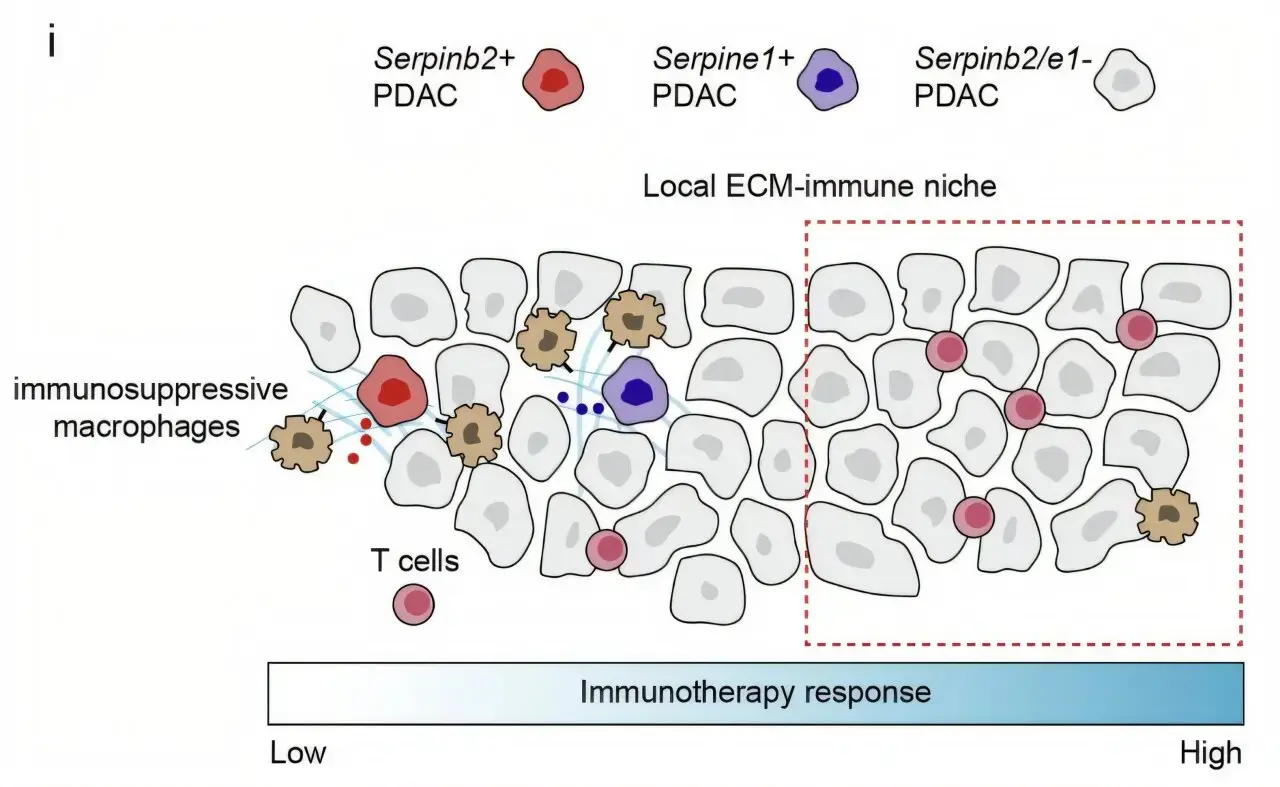 Pancreatic Cancer Hijacks Blood-Clotting System to Evade Immune Attack
 Survey Reveals Most Men Unaware Dairy May Increase Prostate Cancer Risk
Researchers have identified a strong correlation between high magnesium consumption and improved gut health. Magnesium plays a vital role in hundreds of biochemical reactions within the human body. By regulating cellular functions and reducing systemic inflammation, this mineral helps maintain the integrity of the colon lining. Experts suggest that a diet rich in magnesium-dense foods could be a simple, effective tool for long-term protection.
The protective nature of magnesium stems from its ability to regulate cell division and DNA repair. When the body lacks sufficient magnesium, cells may experience increased oxidative stress. This environment makes the colon more susceptible to the mutations that lead to cancer. By stabilizing these processes, magnesium acts as a buffer against cellular damage.
Can Daily Supplementation Improve Long-Term Outcomes?
Studies indicate that individuals with higher dietary intake of magnesium show fewer markers of chronic inflammation. Inflammation is a known precursor to many forms of cancer, including those affecting the gastrointestinal tract. Consuming magnesium-rich foods like leafy greens, nuts, and whole grains provides a consistent supply of this nutrient. This dietary approach offers a natural way to support the body's internal defense systems.
While diet remains the primary source of nutrients, some patients may consider supplementation to bridge the gap. However, it is essential to consult with a healthcare provider before starting any new regimen. Excessive intake can lead to digestive discomfort, so balance is key. Integrating magnesium into a holistic wellness plan could significantly improve overall gut health.
Frequently Asked Questions
The medical community continues to investigate how lifestyle adjustments impact cancer rates. As more data emerges, the focus on preventative nutrition grows stronger. Making small, informed changes to daily eating habits provides a proactive way to safeguard health. Future clinical trials will likely clarify the exact dosages required to maximize these protective benefits.
What are the best food sources of magnesium? Dark leafy greens like spinach, pumpkin seeds, almonds, and black beans are excellent sources. Incorporating these foods into daily meals helps ensure steady intake levels.
Is magnesium a cure for colorectal cancer? No, magnesium is not a treatment or cure for cancer. It is a preventative nutrient that supports overall cellular health and may help lower the risk of developing the disease.
Content written by Claire Ashworth for wellness-bio-radar.com editorial team, AI-assisted.